















Any honest Omlo review has to start with how little this film relies on gloss or spectacle to land its punches. Written and directed by Sonu Randeep Chaudhary, this Hindi-Rajasthani social drama peels back layer after layer of patriarchal thinking, domestic violence and psychological trauma passed down across generations. Running just 1 hour 32 minutes and streaming on Waves OTT, it plants viewers firmly in a dusty village in the Thar desert and refuses every worn-out entertainment formula along the way.
Scorching sand and a camel that cannot trust its own freedom
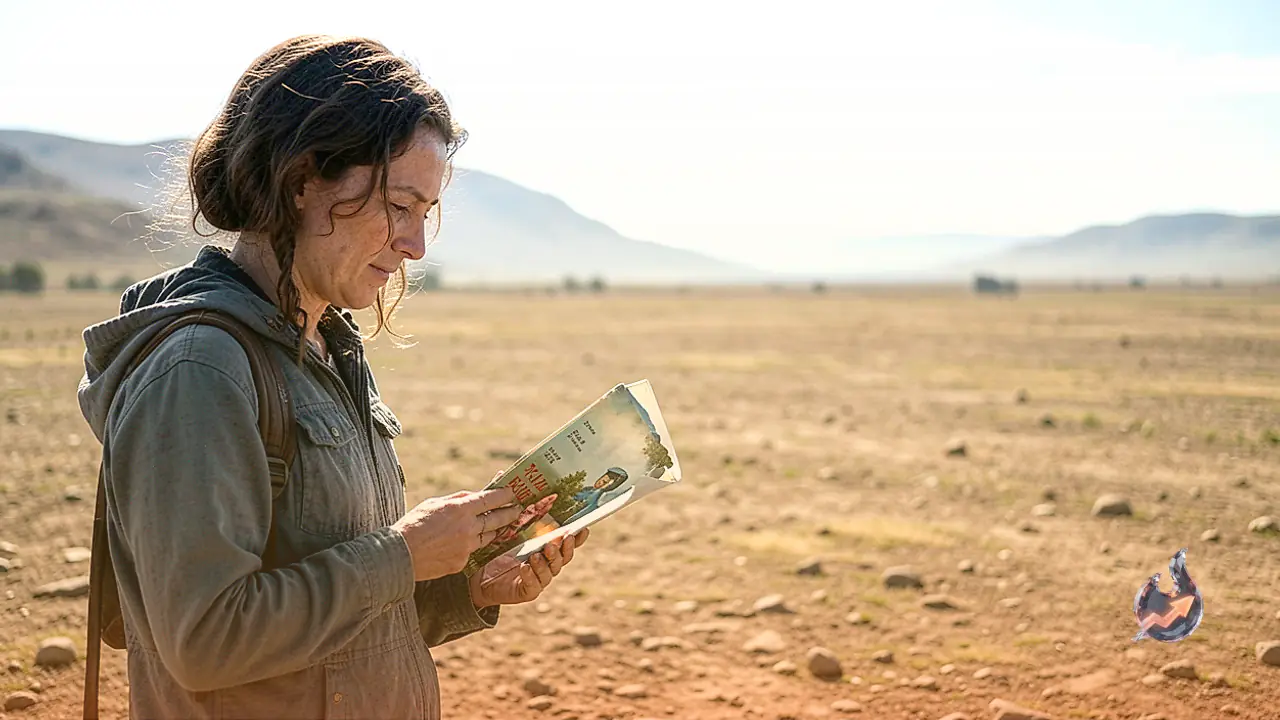
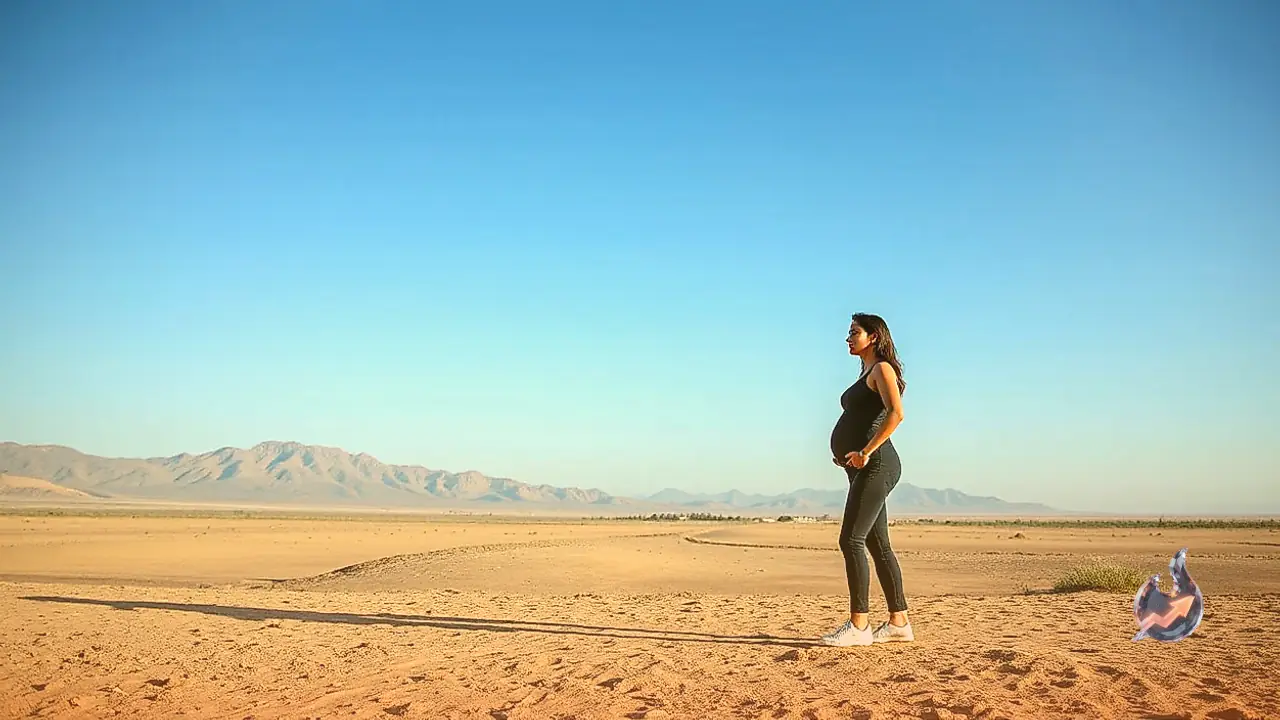
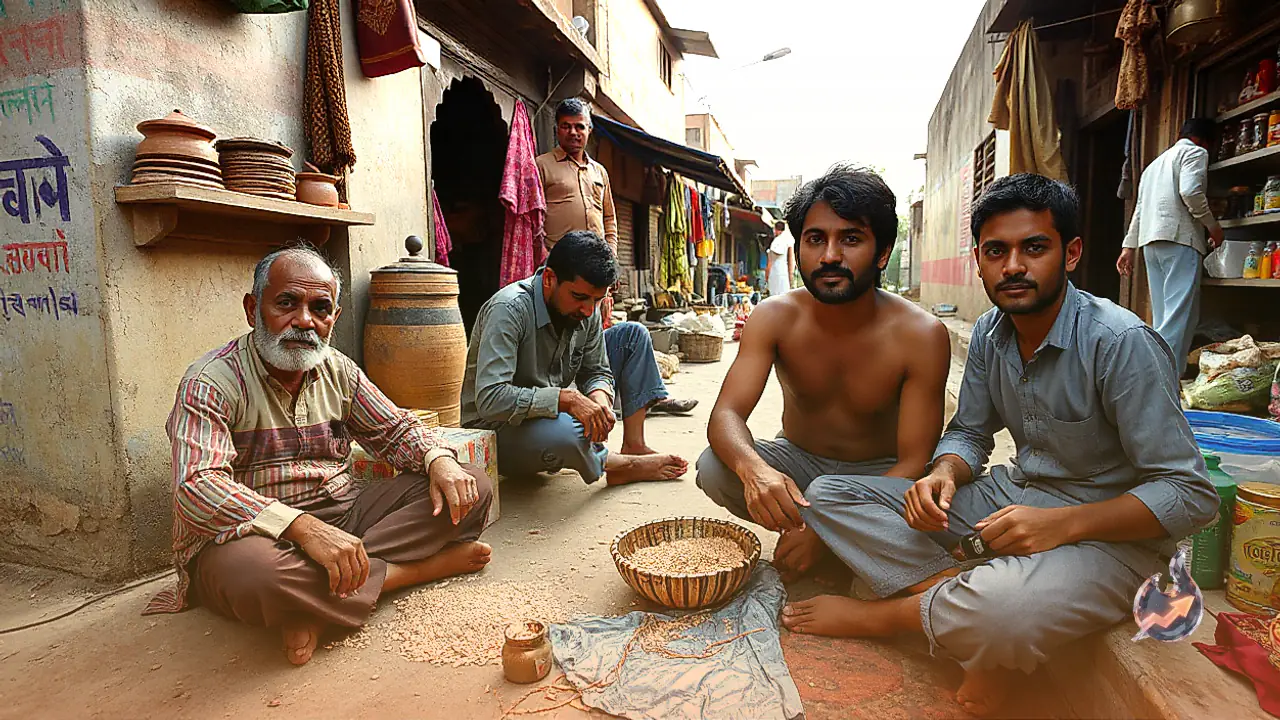
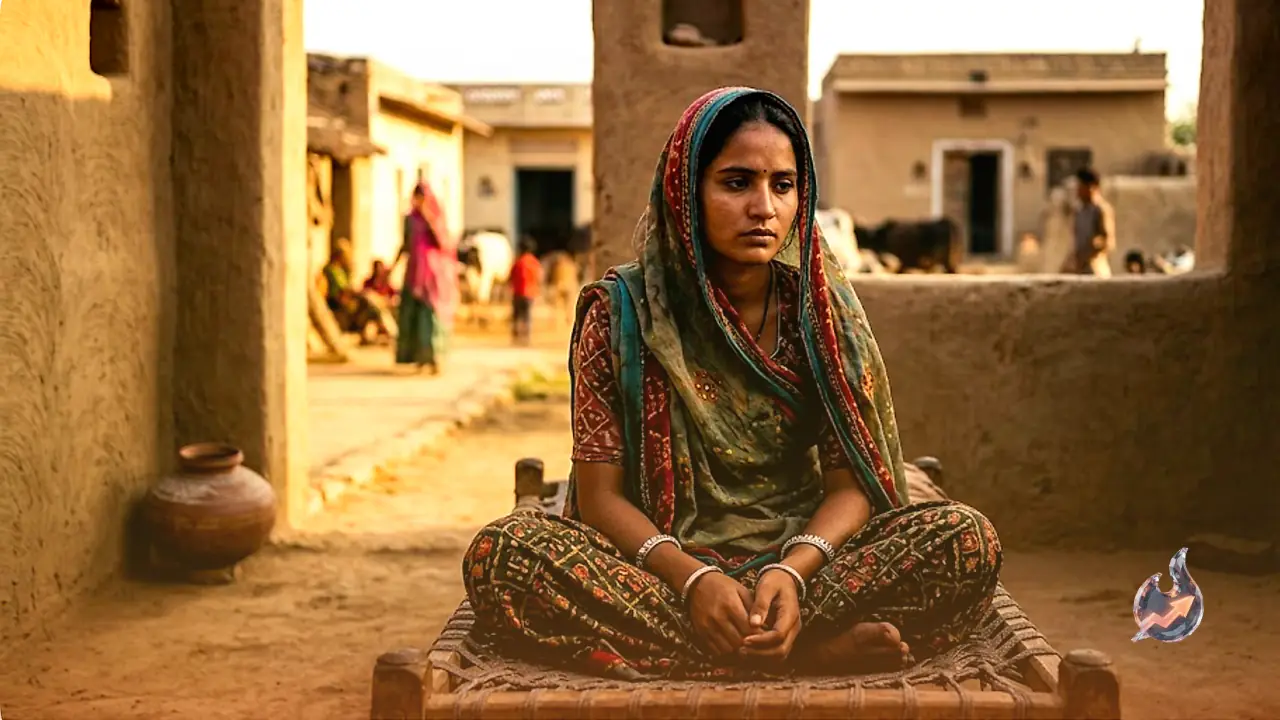
The story opens in a remote, backward village near Bikaner and Sri Dungargarh in Rajasthan. Savitri (Sonali Sharmishtha) is walking home through the blistering Thar heat with her children after a full day of labour, carrying the weight of her chores on her head. That opening image alone pulls viewers straight into the daily grind of village life. Soon after comes a strikingly symbolic moment: a camel is untied and set loose in the open desert, only for the animal to look utterly unsure of what to do with its sudden freedom. That single scene is the heart of the film, a reminder that a society bound by centuries of mental chains hesitates to embrace liberty even when it is finally handed to it.
A death, the weight of custom, and cruelty inside the home
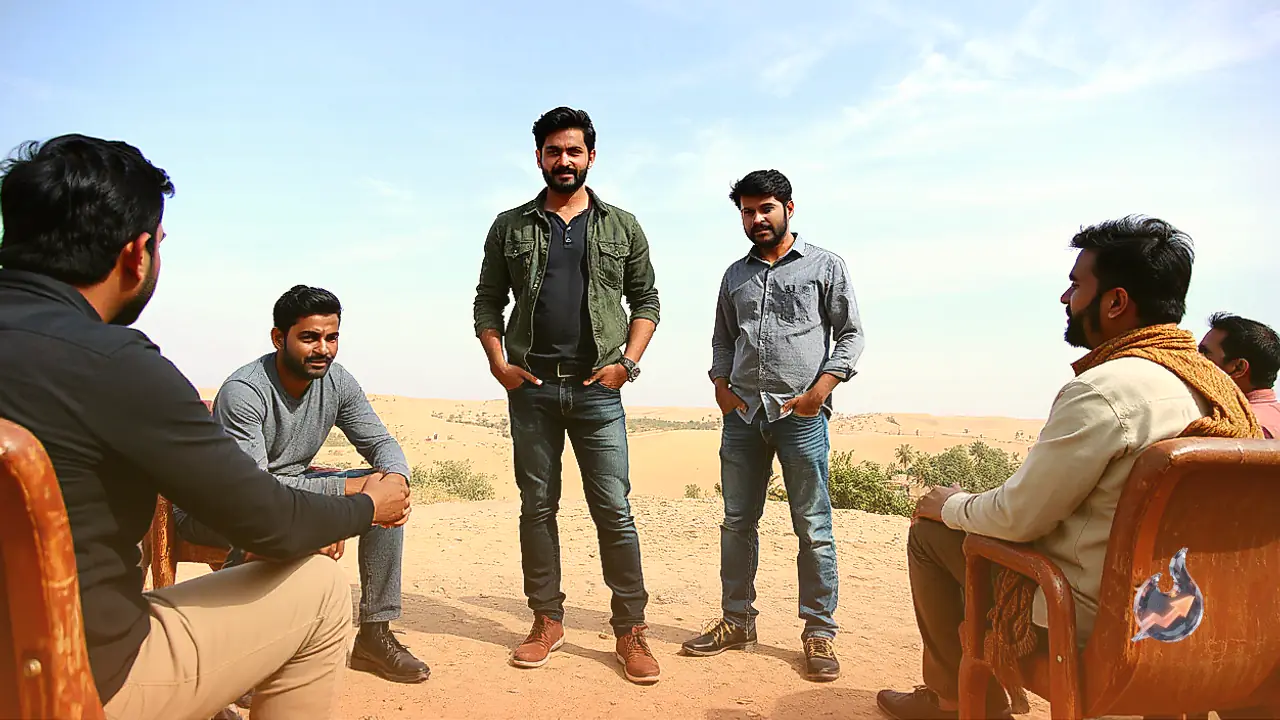
The moment Savitri reaches home, she learns her father-in-law has died. From here the story turns steadily darker. On one side sits the pressure of funeral rites and social custom, on the other an acute shortage of money in the house. Savitri's husband (Sonu Randeep Chaudhary) is an irresponsible, alcoholic man who subjects his own wife to constant mental and physical abuse. Amid all this screaming, pain and helplessness, their young son Omlo (Shambho Mahajan) watches everything unfold silently through wide, innocent eyes. He wants to share his mother's suffering and change this harsh custom, but his young age and circumstances leave him powerless. This is not the story of one family alone, it is the story of an unspoken pain that travels down generations and quietly consumes childhood itself.
Performances that need no heavy dialogue to move you
The biggest strength of this realistic film is the natural, effective performances from its cast. Child actor Shambho Mahajan, in the title role, has few lines to speak, yet he delivers a string of intense scenes purely through the helplessness and silence in his eyes. Sonali Sharmishtha gives a cult performance as Savitri, never coming across as a glamorous screen actress but as an ordinary Rajasthani village woman who is both a victim and fiercely self-respecting. The fatigue and pain of domestic abuse sit so deep on her face that audiences connect with her instantly. Sonu Randeep Chaudhary, playing the alcoholic, cruel and irresponsible husband, does remarkable work in a thoroughly negative role, inhabiting the character's bitterness so completely that viewers begin to despise him, arguably the biggest win any actor can claim. In the supporting cast, Vandana Gupta leaves a strong impression despite limited screen time, while Deva Sharma and Mahesh Jilowa bring honesty and intensity to their characters wherever the story demands it.
A director who trusts realism over drama
Sonu Randeep Chaudhary shows a clear cult vision as director and writer, not just as an actor. He carefully avoids the common mistake of turning the story melodramatic in the manner of commercial cinema, keeping the focus firmly on realism instead. He weaves the authentic dialect, harsh lifestyle and centuries-old patriarchal social structure of Rajasthan's villages onto the screen with real attention to detail. The screenplay may move slowly, but rather than boring the audience, that pace pulls them deeper into the story's intense atmosphere.
The camera turns the desert into a living character
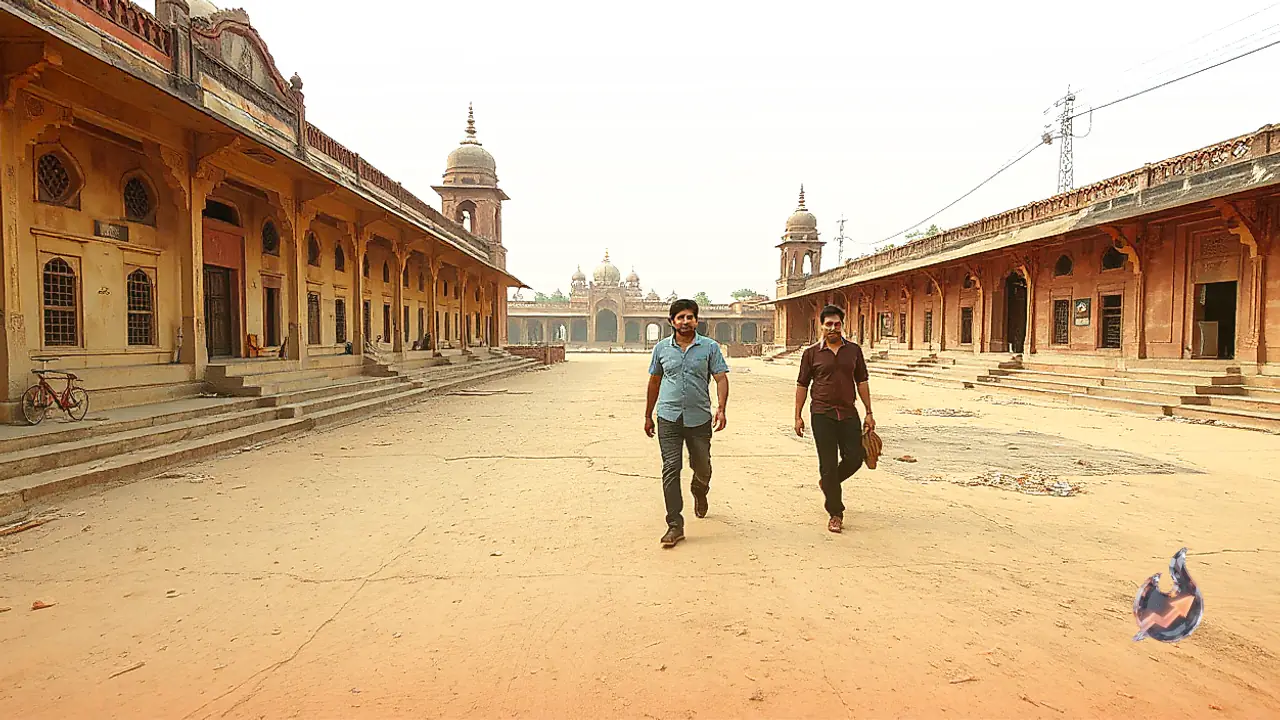
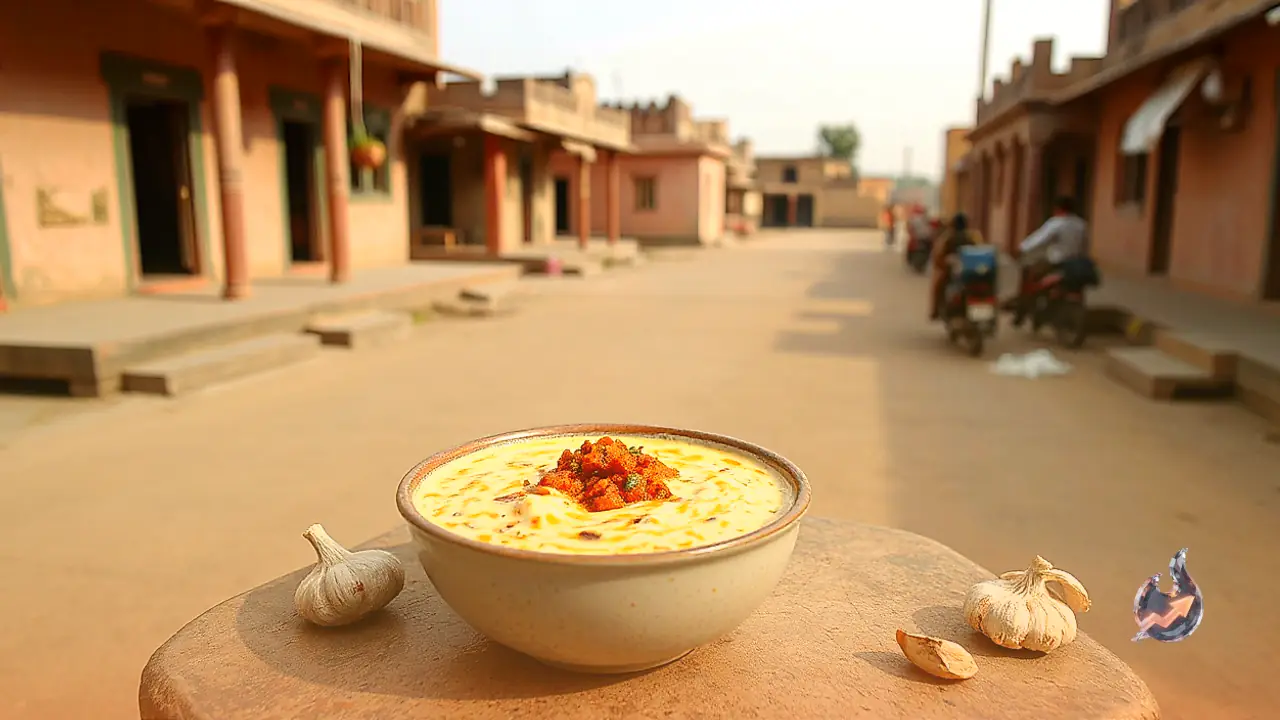
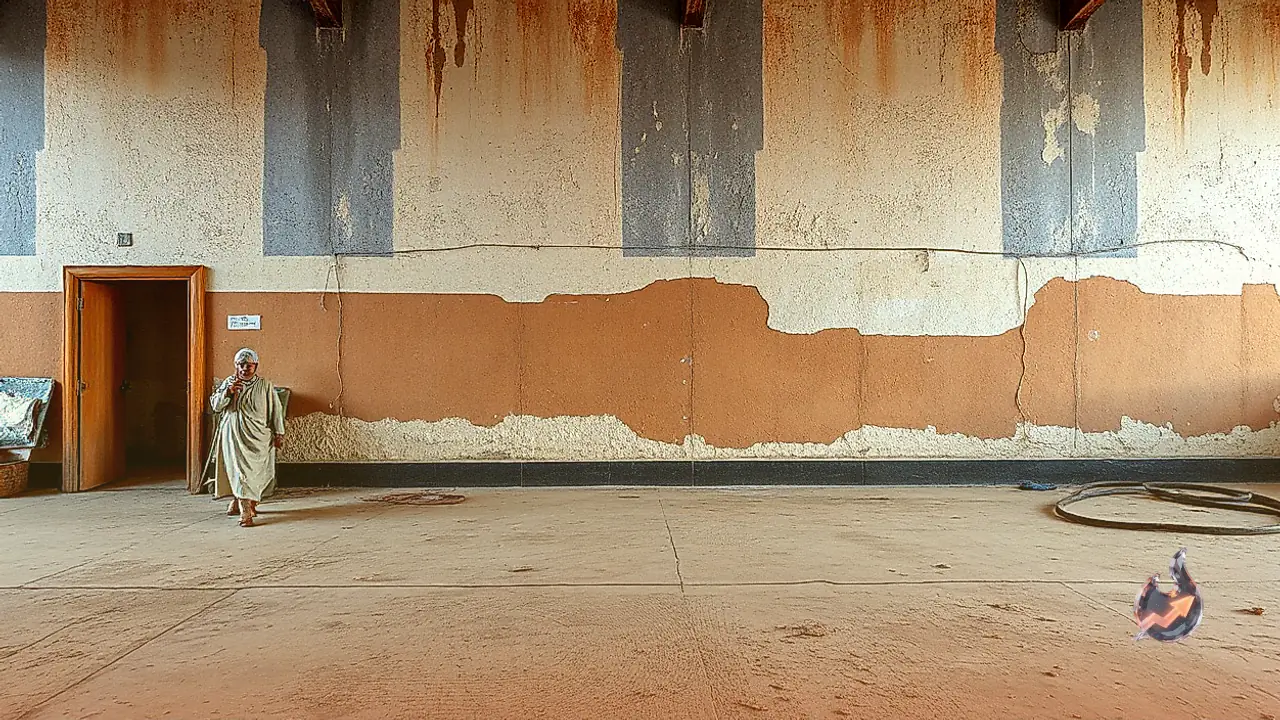
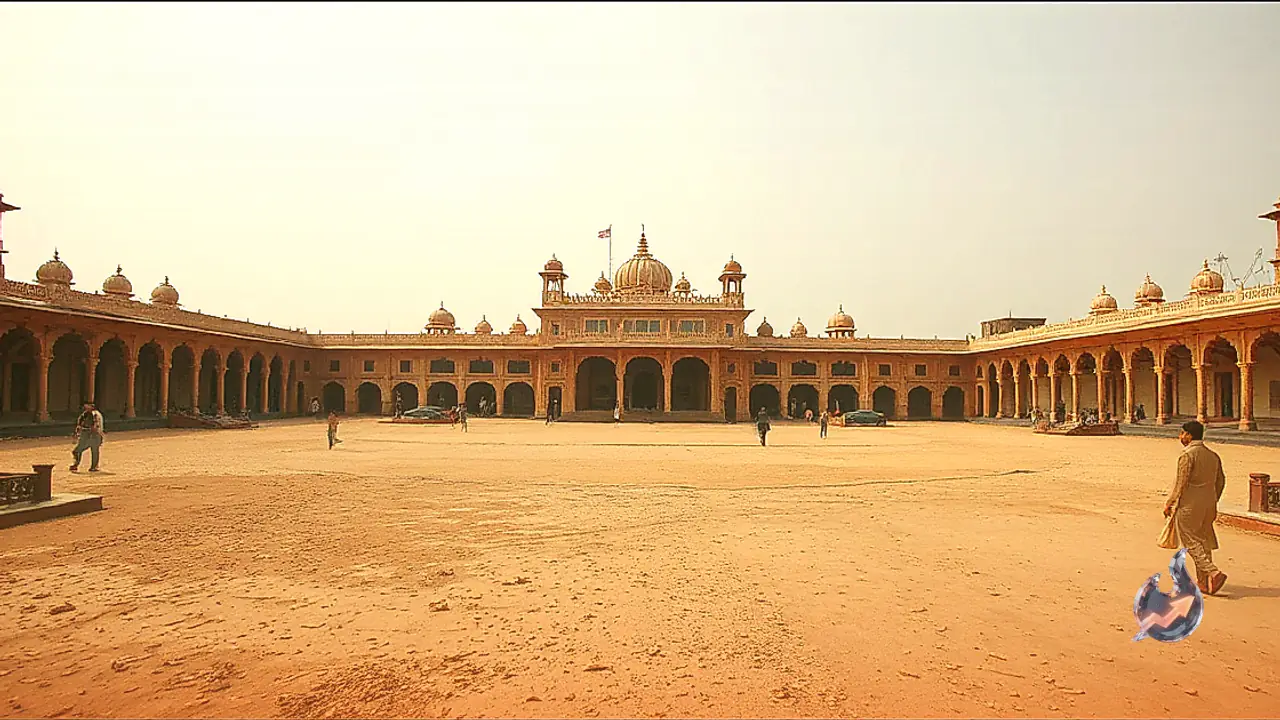
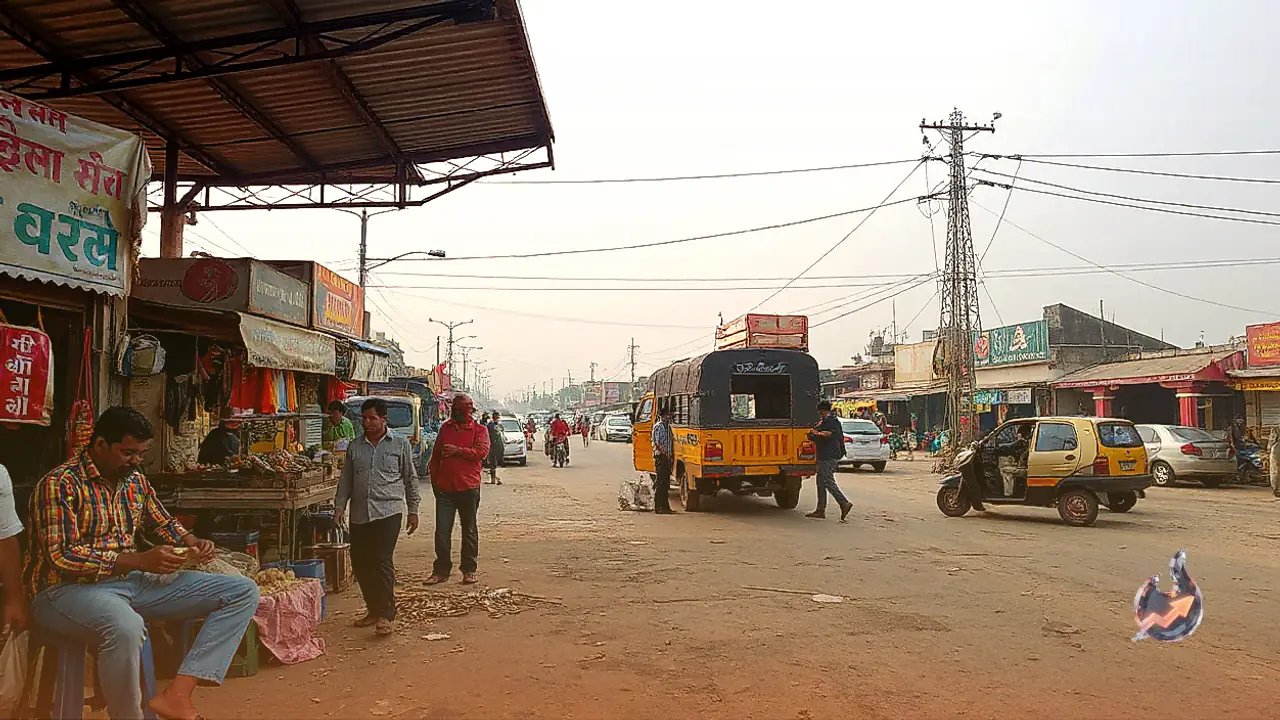
On the technical side, cinematographer Wilson Rabinse's work is sharp and deserves real praise. Instead of closed studio sets, he makes full use of the raw, unforgiving locations around Sri Dungargarh and Bikaner. The desert's endless distances, the searing heat of the sand and the simplicity of the village's mud houses are captured in such a cult, documentary-like style that every frame feels like it was pulled straight from real life. These visuals reinforce the film's sombre mood at every turn.
Music that speaks through silence, not noise
The film's music adds a powerful edge to its emotional core. National Award-winning composer Gazi Khan Barna, working alongside Bhuvan Ahuja, brings cult Rajasthani folk music that heightens the sensitivity of each scene, songs steeped in the fragrance of the soil that go straight to the heart. Devendra Bhom's background score, meanwhile, leaves a quiet but powerful impact. Wherever silence was called for, he used the scene's own stillness as his sharpest tool, keeping the music from ever overwhelming the moment.
Where the film falls short
Like every art-house film, Omlo has flaws that could prove tough going for viewers who prefer mainstream masala cinema. The screenplay unfolds at a very slow pace, and that slowness can feel heavy for audiences used to commercial, hard-hitting thrillers or fast-moving films. The film is not out to entertain or make anyone laugh, its purpose is to lay bare, without any softening, the harsh social reality of patriarchal thinking and domestic violence that still survives in rural India. That is precisely why viewers hunting for light entertainment may find it a tough watch, while those looking for a genuine slice of real life on screen will find Omlo a necessary and memorable experience.