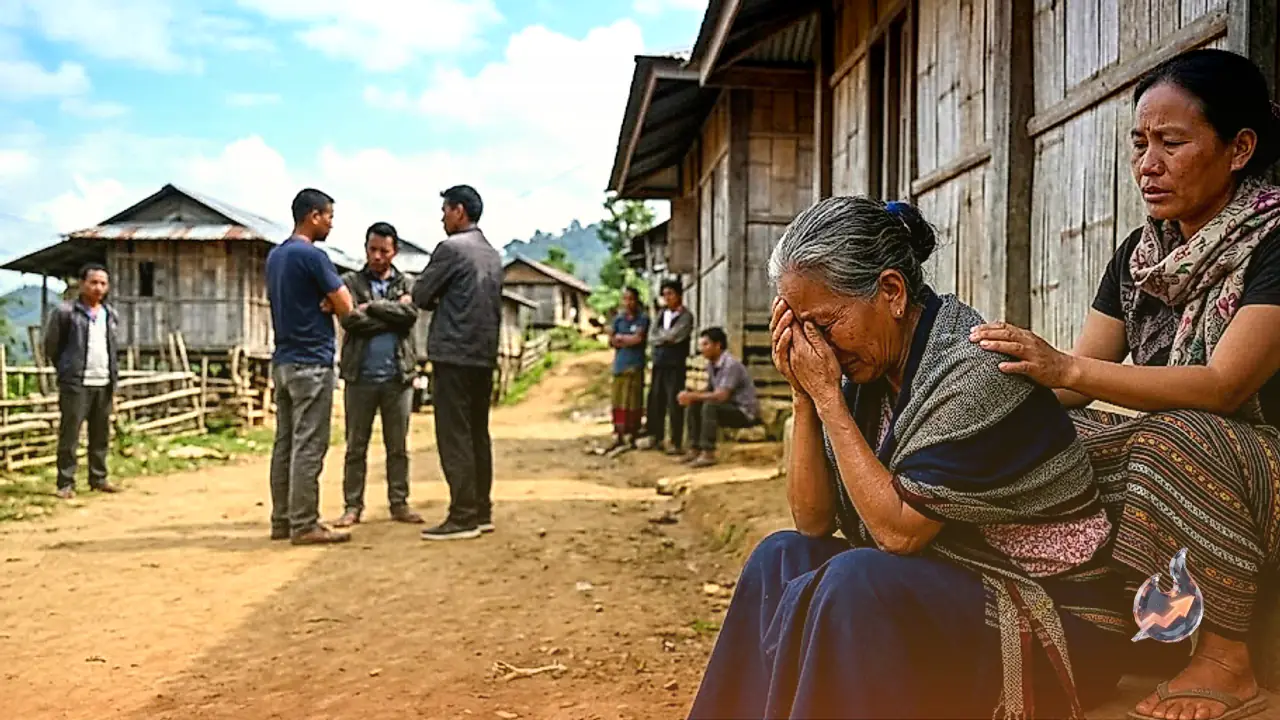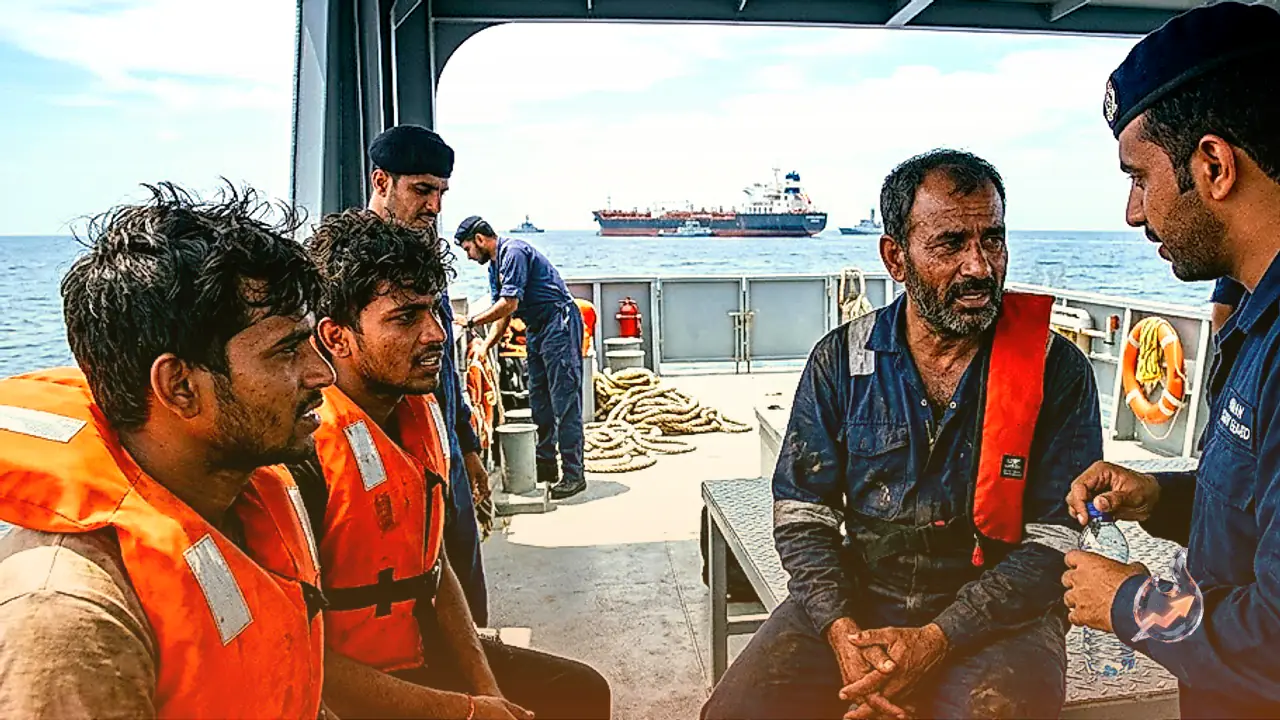






















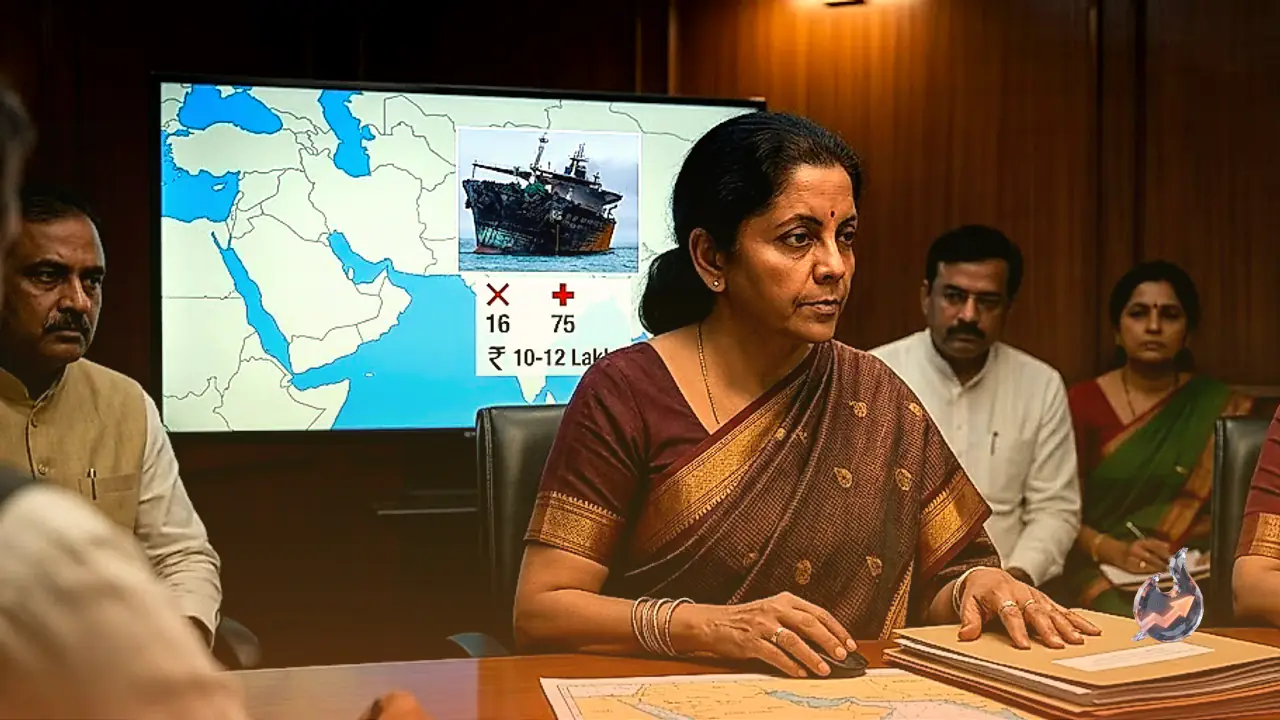

A total of 16 Indian citizens lost their lives and 75 others sustained injuries during the 2026 military conflict involving Iran and America in the maritime zones of West Asia. Presenting a detailed report before Parliament, the Ministry of External Affairs (MEA) outlined the comprehensive relief, evacuation efforts, and financial compensation provided to the affected families. The government clarified that among the deceased, 10 were Indian seafarers working on commercial vessels. Additionally, officials highlighted that a separate technical accident at Qatar's Ras Laffan gas plant claimed the lives of 12 other Indians, confirming that this incident was unrelated to the ongoing armed conflict in the region.
Breakdown of Financial Assistance and Insurance Claims
According to the official data released by the Ministry of External Affairs, structured financial support is being extended to the families of victims through multiple welfare bodies and insurance frameworks. Under the DG Shipping Welfare Scheme, dependents of Indian seafarers who died in the combat zone are granted an ex-gratia payment of 10 lakh rupees. Furthermore, maritime organizations have extended targeted financial relief based on personnel rank. Relatives of Merchant Navy officers receive 12 lakh rupees under the Maritime Union of India, while families of crew members get up to 10 lakh rupees through the National Union of Seafarers of India.
Insurance claim settlements under the vessels' P&I policies are also being actively processed by maritime authorities. The Ministry of External Affairs confirmed that full compensation has already been successfully disbursed in 5 out of the 16 casualty cases, with processing underway for the remainder. Separately, for the families of the 12 Indian workers who died in the technical mishap at the Ras Laffan gas plant in Qatar, ex-gratia relief has been approved from the Prime Minister's National Relief Fund (PMNRF).
Repatriation of Deceased and Medical Aid for the Injured
In the aftermath of the crisis, the central government initiated swift diplomatic and logistical procedures to ensure the respectful return of mortal remains. All bodies of the deceased Indian nationals were repatriated to their families in India with assistance coordinated by Indian embassies. Meanwhile, the 75 injured Indian nationals continue to receive necessary medical treatment at local healthcare facilities in the region. Indian diplomatic personnel are maintaining active coordination with hospital authorities and local administrators to ensure proper care.
Evacuation Operations and Digital Crisis Framework
To protect Indian citizens trapped in high-risk zones, Indian diplomatic missions established round-the-clock infrastructure, including 24x7 emergency helplines, centralized control rooms, and dedicated Rapid Response Cells (RRC). Stranded nationals were provided with essential logistical support, including emergency transit visas, food, shelter, and replacement travel documentation to facilitate their safe return home.
Looking ahead, the government is developing a comprehensive Digital Emergency Response System to modernize crisis management capabilities. This digital platform aims to streamline the tracking, safety verification, and emergency evacuation of Indian nationals during future international conflicts or unexpected global emergencies.