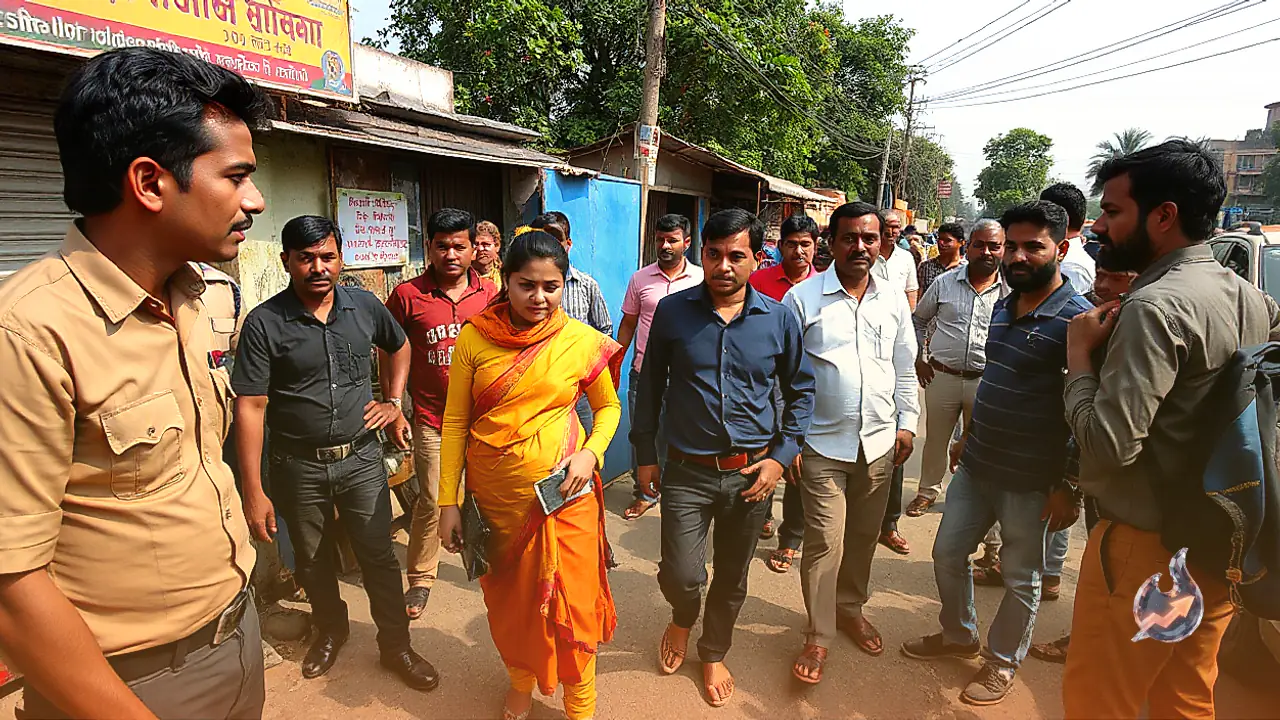
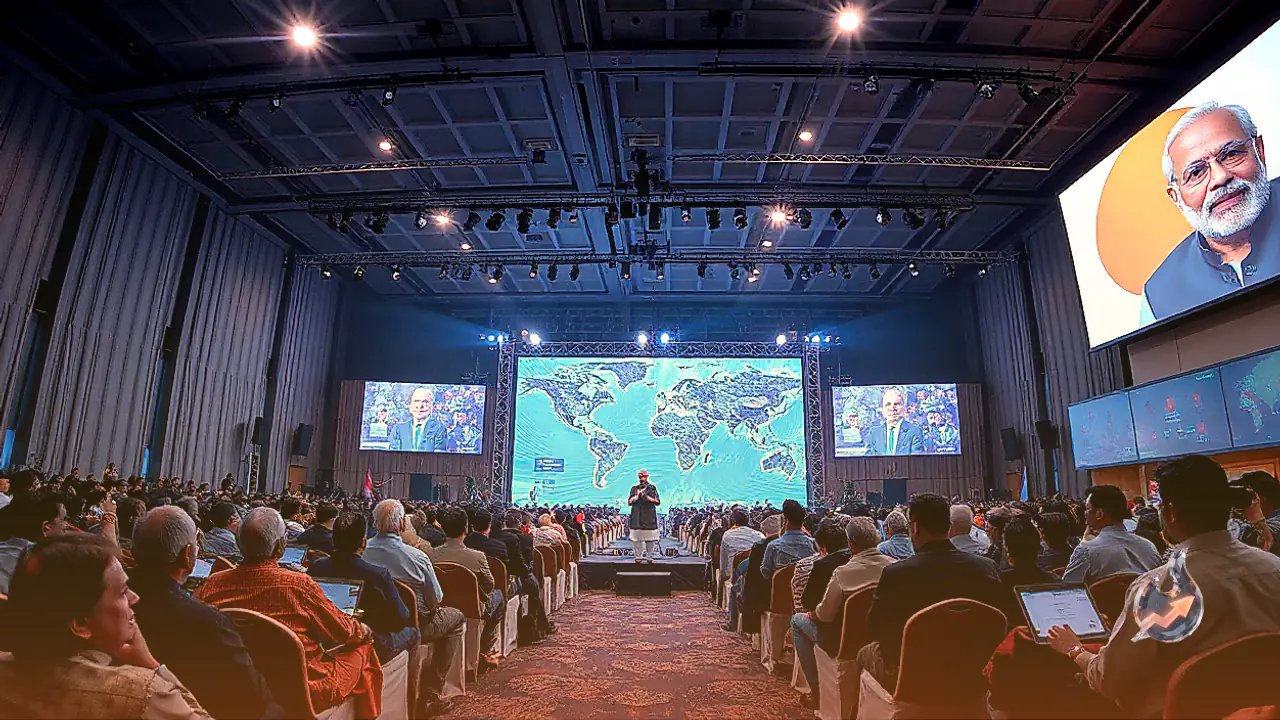
















On the historic occasion of India's 80th Independence Day, Prime Minister Narendra Modi addressed the nation from the ramparts of the Red Fort for the 13th consecutive time. Commencing his speech with a heartfelt tribute to Vande Mataram and the National Flag, he highlighted that the patriotic spirit of Vande Mataram resonates in every heart while the Tricolor flutters proudly in every home and mind. Emphasizing women's role in driving nation-building, the Prime Minister announced a significant expansion of the government's flagship welfare initiative for rural women. Following the successful creation of 3 crore Lakhpati Didis across the country, the government has now raised the target to transform 6 crore rural women into Lakhpati Didis.
Milestone Achieved by December 2025 and the Road Ahead
According to updates from the Ministry of Rural Development, the initial target of empowering 3 crore Lakhpati Didis was fully accomplished by December 2025. Encouraged by this achievement, the government is embarking on the next phase to connect an additional 3 crore women with sustainable and diversified livelihood opportunities. The core objective of this expanded target is to ensure a permanent enhancement in the earning capacity of rural households, enabling financial resilience and long-term economic independence.
Origins and Framework of the Lakhpati Didi Scheme
Prime Minister Narendra Modi originally outlined the vision for the Lakhpati Didi scheme during his Independence Day address on August 15, 2023, leading to its formal rollout in 2024. The initiative aims to elevate the annual household income of rural female members belonging to Self-Help Groups (SHG) to a minimum of Rs 1,00,000 or higher on a sustained basis. The program is actively executed by the Ministry of Rural Development under the umbrella of the Deendayal Antyodaya Yojana - National Rural Livelihoods Mission (DAY-NRLM).
Qualification Criteria and Income Evaluation Standards
Under official guidelines, a Lakhpati Didi is defined as an SHG member whose household generates a sustained annual income of at least Rs 1,00,000. To ensure that this income stream is stable rather than temporary, evaluation criteria require consistent earnings across at least four agricultural seasons or business cycles, translating to an average monthly household income exceeding Rs 10,000.
Comprehensive Support Ecosystem: Assets, Finance, and Market Access
The program operates through an integrated support mechanism that brings together government ministries, departments, private sector enterprise, and commercial market participants. Participants receive tailored support spanning structured planning, asset creation, timely financial assistance, technology integration, and direct market access. Multi-tier implementation and continuous progress monitoring further ensure that rural women receive comprehensive backing to scale their economic ventures successfully.