




















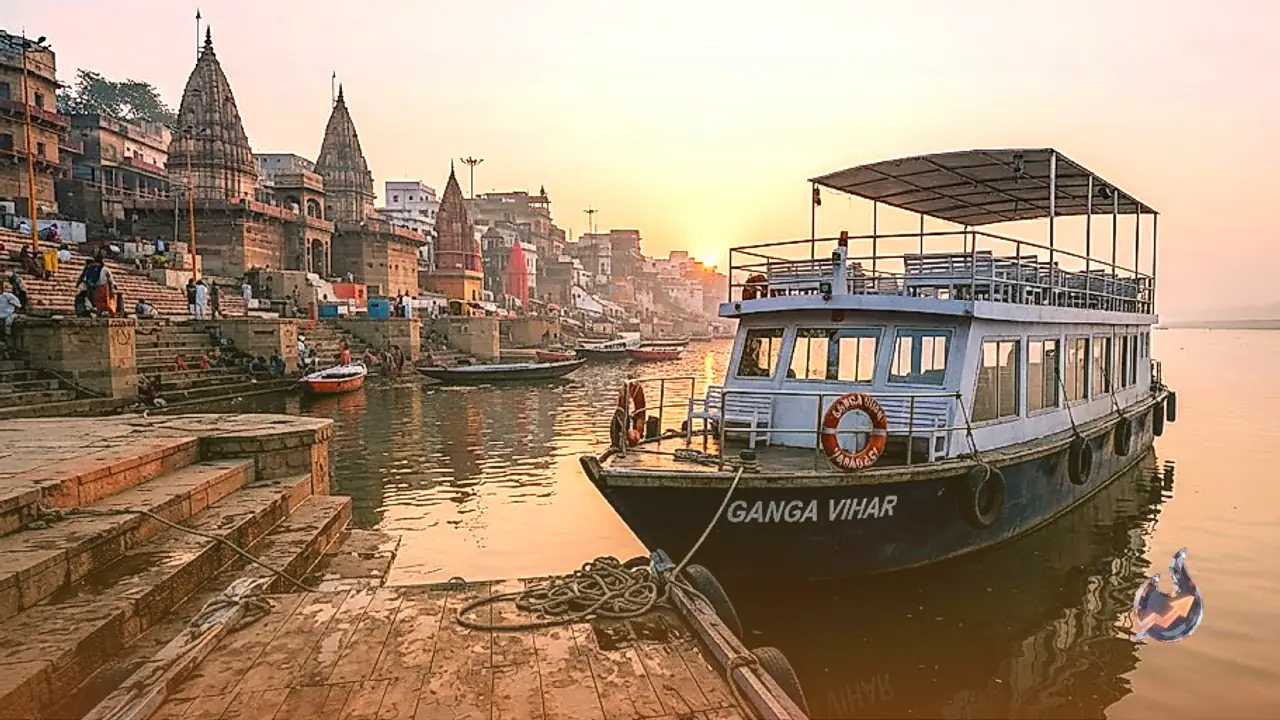

Water transport across Uttar Pradesh is set to become significantly safer, more structured, and fully regulated following the state cabinet's approval of the 'Uttar Pradesh Inland Vessels Rules 2026'. State Minister for Transport (Independent Charge) Dayashankar Singh briefed the press regarding the cabinet's historic determination. He pointed out that prior to this decision, no codified legal guidelines or regulatory mechanisms existed for managing the operations of boats, motorized steamers, and commercial vessels across the state's rivers and water bodies.
Classification into Mechanical and Non-Mechanical Categories
With the formal authorization of the Inland Vessels Rules 2026, a comprehensive two-tier framework will govern all watercraft across the state. Under this policy, every water-based vehicle will be classified into one of two primary operating categories. The mechanical category encompasses all motor-driven watercraft, including diesel-powered steamers, speedboats, and large commercial ships. Conversely, the non-mechanical category covers all traditional, manually operated boats that rely on oars and physical labor by local boatmen.
Mandatory Registration and Rs 50 Fee for Manual Boats
Transport Minister Dayashankar Singh explained that while basic structural records were maintained for large commercial vessels in the past, no state-wide registry or authentic listing existed for traditional non-mechanical boats. To eliminate this data gap, the government has mandated compulsory registration for all manual craft. To ensure the financial burden on traditional boatmen remains minimal, the registration fee has been capped at just Rs 50. This nominal fee will enable the transport department to compile a complete official database of traditional boats and their operators.
Three-Tier Structure for Mechanical Watercraft
To effectively regulate engine-powered steamers and heavier vessels, the mechanical category has been subdivided into three distinct capacity tiers, each assigned a specific registration fee structure. The first tier governs smaller mechanical vessels with a load carrying capacity between 0 and 3 tons. The second tier applies to medium vessels designed to carry 5 to 10 passengers along with up to 0.5 tons of cargo. The third tier covers major vessels capable of carrying more than 10 passengers or handling cargo weights exceeding 5 tons.
Insurance Cover and Administrative Responsibilities
A central highlight of the new regulatory policy is the inclusion of mandatory insurance provisions for both boatmen and passengers. While administrative records for boatmen were available in Varanasi district, other key river districts such as Mathura lacked any consolidated data. The new framework rectifies this by extending insurance benefits to individuals working in the unorganized river transport sector. Implementation duties have been formally assigned to Assistant Regional Transport Officers (ARTO Administration) at the district level and Revenue Inspectors (RI) at the tehsil level. Further administrative announcements affirm the government's push for standardized safety standards across all inland waterways.