


















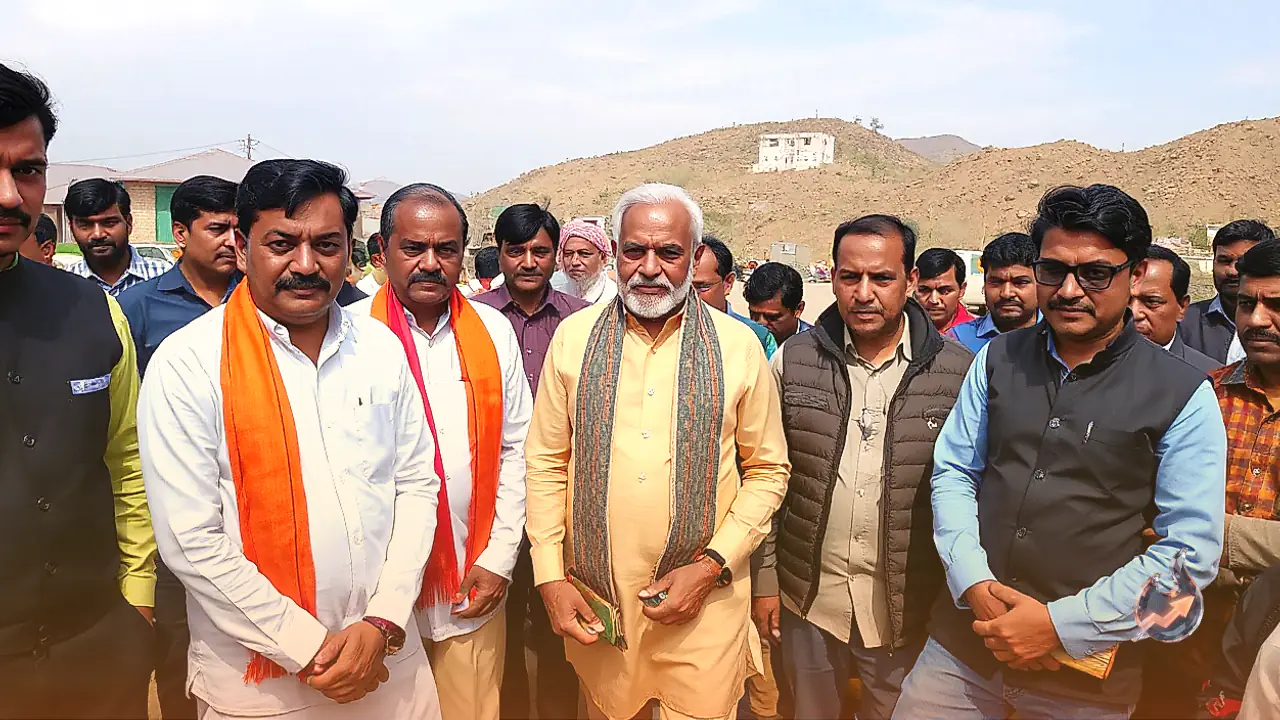

Uttarakhand Chief Minister Pushkar Singh Dhami stated during a press conference held in Bhararisain, Gairsain, that the primary objective of the state administration is to transform Uttarakhand into a developed, prosperous, and self-reliant state by the year 2047. Guided by this long-term vision, the government is continuously accelerating developmental initiatives and ensuring that the benefits of public welfare schemes reach the very last person in society. The supplementary budget formulated for the financial year 2026-27 has been structured with this core mindset, balancing the immediate demands of the region with its long-term future needs.
The Chief Minister emphasized that over nearly 26 years since the formation of the state, Uttarakhand has traversed a long and significant journey of progress. This achievement stands as a direct result of the relentless struggle of statehood activists, the hard work of local residents, and active public participation. Uttarakhand remains fully committed to playing a pivotal role in the vision of a developed India by 2047 as envisioned by Prime Minister Narendra Modi.
Steady Growth Reflected in State Economic Indicators
The statistical figures concerning the economy and overall development of the state are highly encouraging. In the year 2022, the Gross State Domestic Product stood at approximately 2.55 trillion rupees, which is projected to rise to nearly 3.82 trillion rupees during the financial year 2026-27. Across this timeframe, the per capita income has advanced from roughly 1.95 lakh rupees to 2.74 lakh rupees. Furthermore, multidimensional poverty levels within the state have experienced a noticeable decline.
Reflecting an improved entrepreneurial climate, the total number of startups in the state has expanded from 702 to 1,978, while micro, small, and medium enterprises have grown from about 60,000 to one lakh. Solar power generation capacity has also witnessed marked improvement. In Niti Aayog's SDG India Index 2023-24, Uttarakhand secured joint first position nationwide with an impressive score of 79 points. The state has also earned widespread national appreciation for its investment-friendly atmosphere and robust financial management practices.
Substantial Financial Provisions Across Key Sectors
The supplementary budget for the fiscal year 2026-27 allocates a total amount of 7,844.18 crore rupees. Out of this, 4,164.32 crore rupees have been assigned under the capital head, while 3,679.86 crore rupees are designated for the revenue head. In accordance with the recommendations of the sixth State Finance Commission, a proposal has been put forward to increase the share of local bodies in the state's tax revenue from 10.5 percent to 12.5 percent, backed by a financial allocation of 721 crore rupees to provide rural and urban local bodies with additional resources.
Under the food supply scheme, 1,100 crore rupees have been allocated for procuring wheat and paddy from farmers. Additionally, 500 crore rupees have been earmarked under a special assistance scheme for infrastructure development, alongside 300 crore rupees designated for the Jal Jeevan Mission. The Gairsain water supply dam project has been allocated 122 crore rupees, while approximately 290 crore rupees are proposed for infrastructure and arrangements for the upcoming Kumbh mela. Works associated with the Nanda Rajjat Yatra and the Haridwar-Ganga Corridor have also been accommodated within the fiscal allocations.
Strong Focus on Healthcare Expansion and Social Security
To broaden the reach of medical facilities, the Atal Ayushman scheme has been allotted 100 crore rupees, and 125 crore rupees have been set aside for the employee golden card scheme. Approximately 160 crore rupees have been dedicated to medical education initiatives, including the medical colleges in Pithoragarh and Rudrapur, alongside 200 crore rupees designated to advance digital learning in school and higher education.
To assist young aspirants preparing for competitive examinations, the Chief Minister Youth Future Building Scheme has been introduced, alongside provisions for a sports university, women's sports college, specialized training for athletes, and various scholarship initiatives. Social security measures, including women and child welfare programs, the nutrition campaign, honorariums for school meal cooks, and farmer pensions, continue to receive high priority.
Transparency and Public Participation in Budget Formation
The administration's focus centers not merely on launching novel programs but on ensuring their timely execution and delivery to the public. To fulfill this objective, public engagement has been heavily integrated into the budgetary process. Over the preceding five years, pre-budget consultations have been organized to gather insights from farmers, women, youths, entrepreneurs, and various sectoral representatives. The government has continually emphasized financial discipline, transparency, and the optimal utilization of public funds while maintaining a revenue surplus.
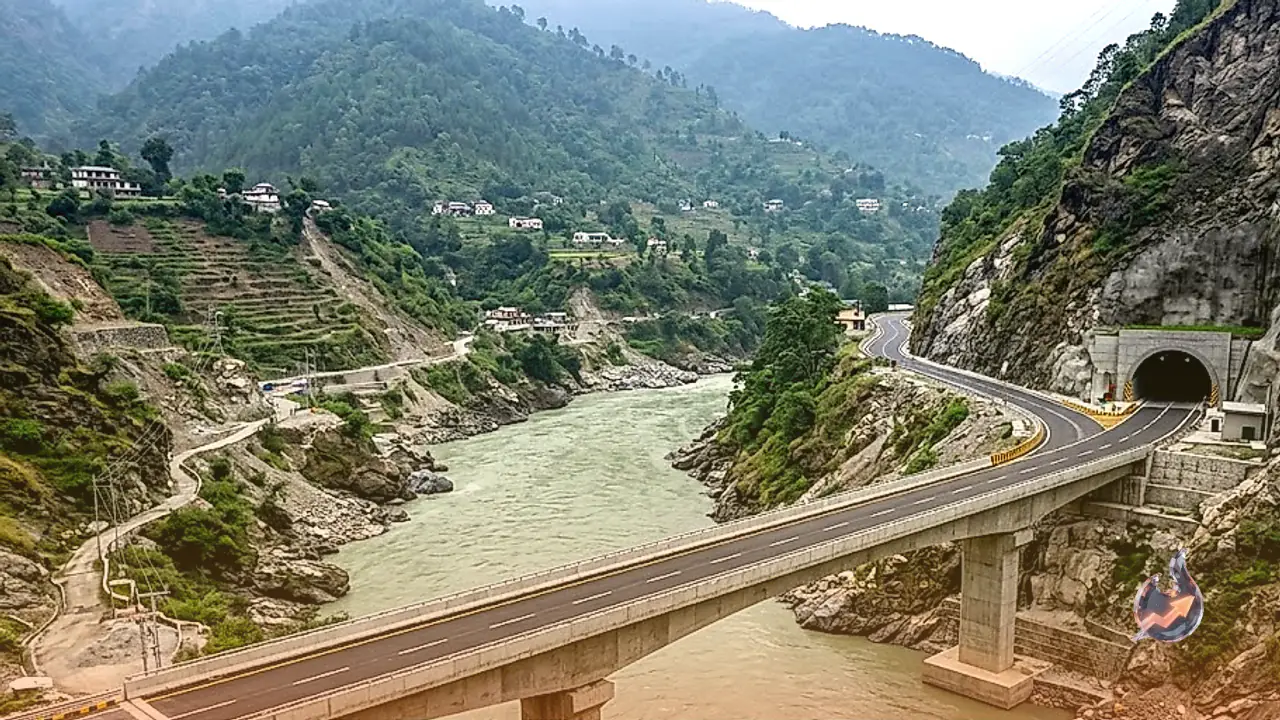
Special emphasis is being directed toward disaster management and secure infrastructure development in disaster-prone Uttarakhand. Restoration and resilience initiatives are underway in land-subsidence-affected areas such as Joshimath, alongside strengthening roads and helicopter connectivity services. Moreover, the first Software Technology Park of India campus has been established in Dehradun to generate fresh technology and startup opportunities for local youth.