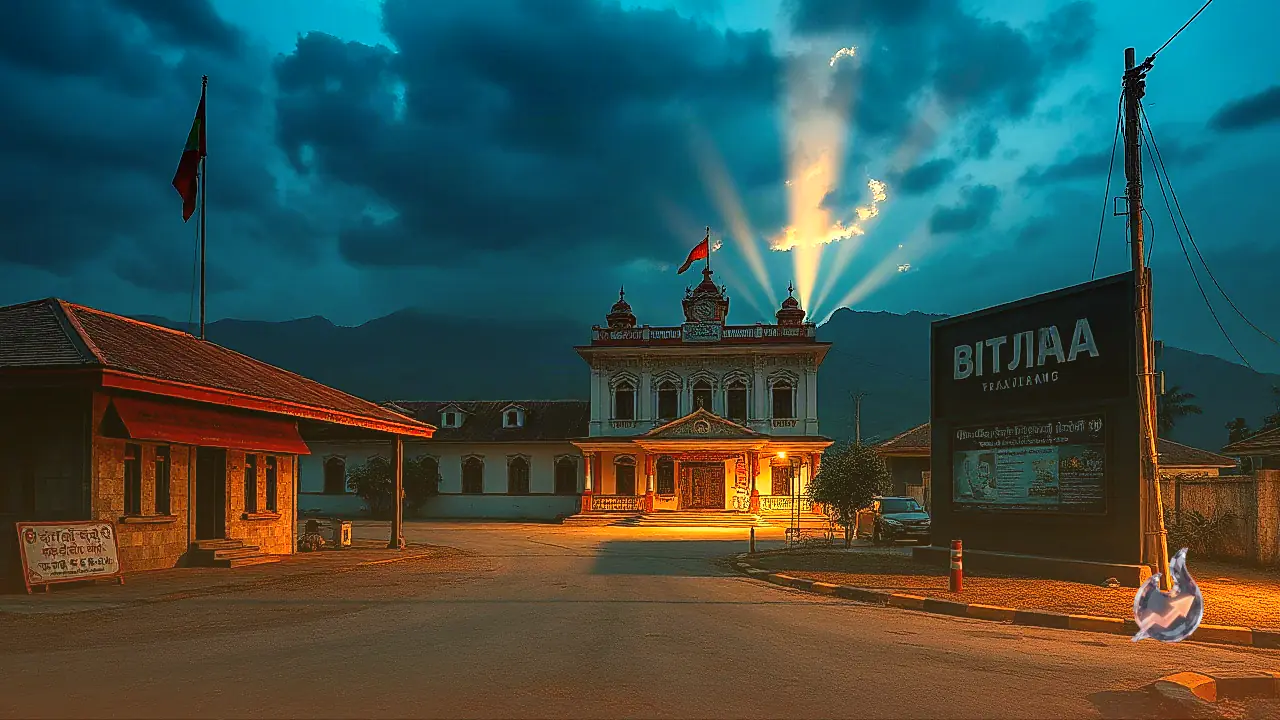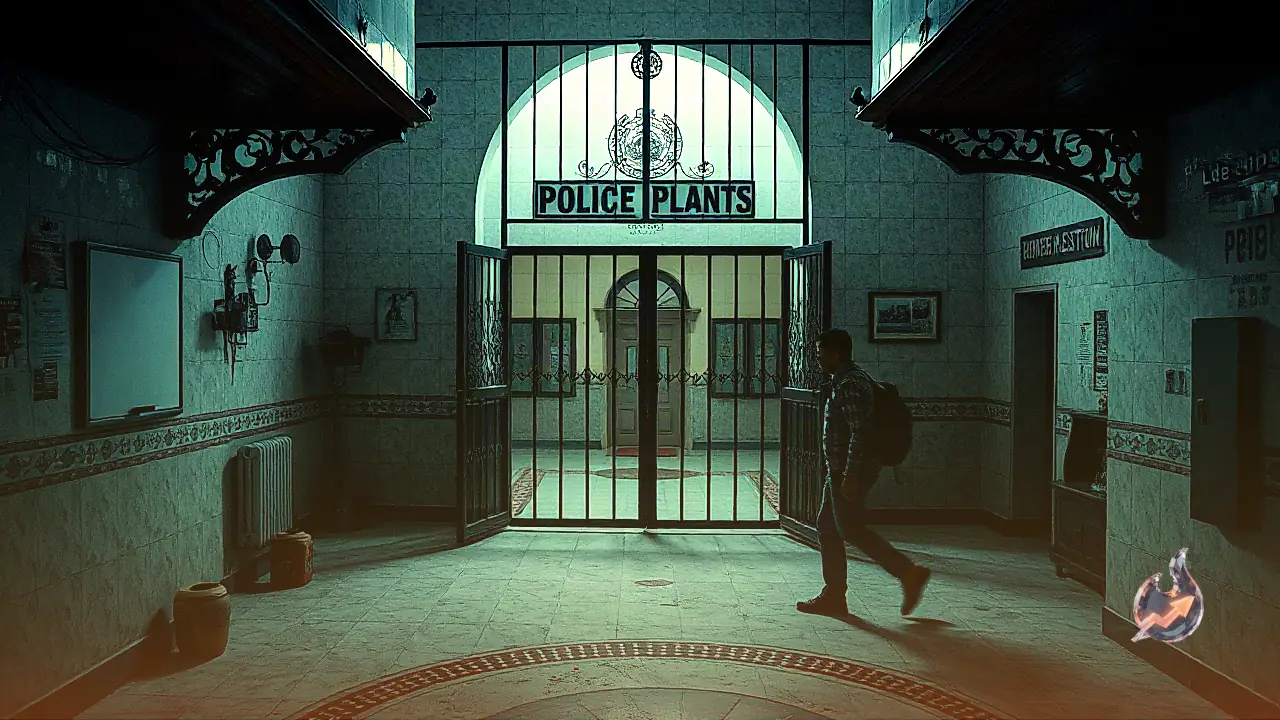





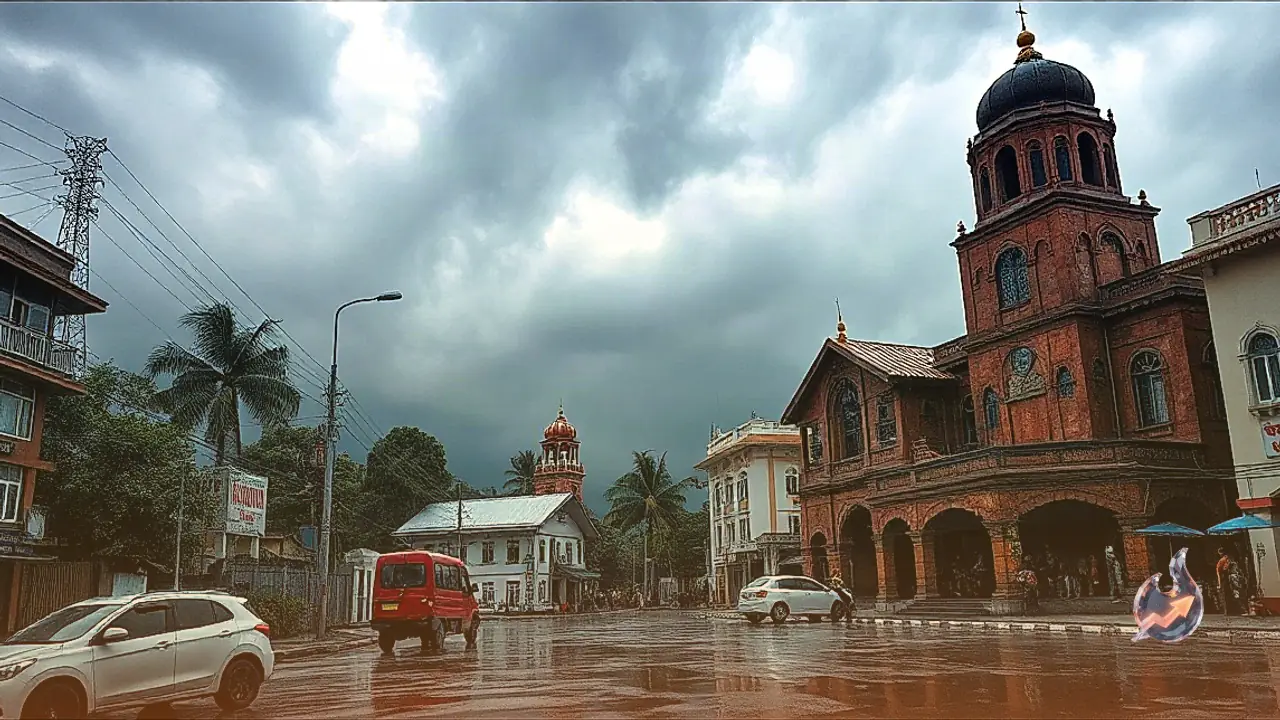
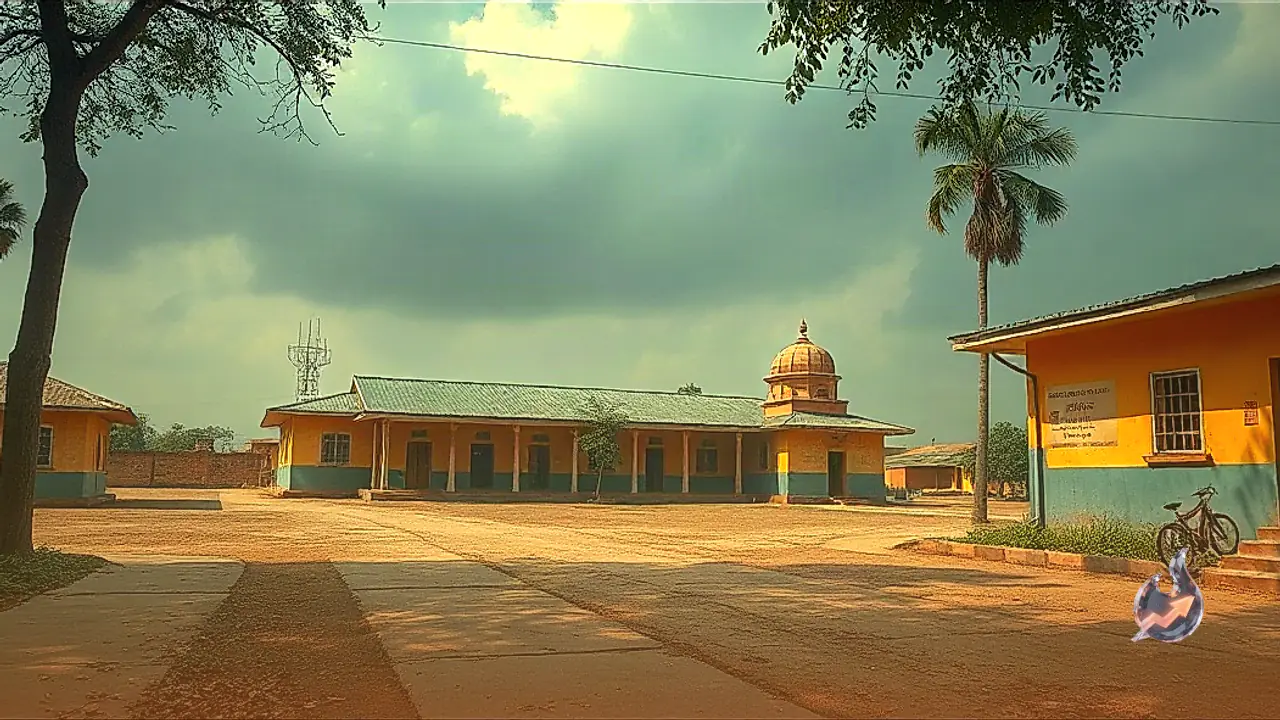















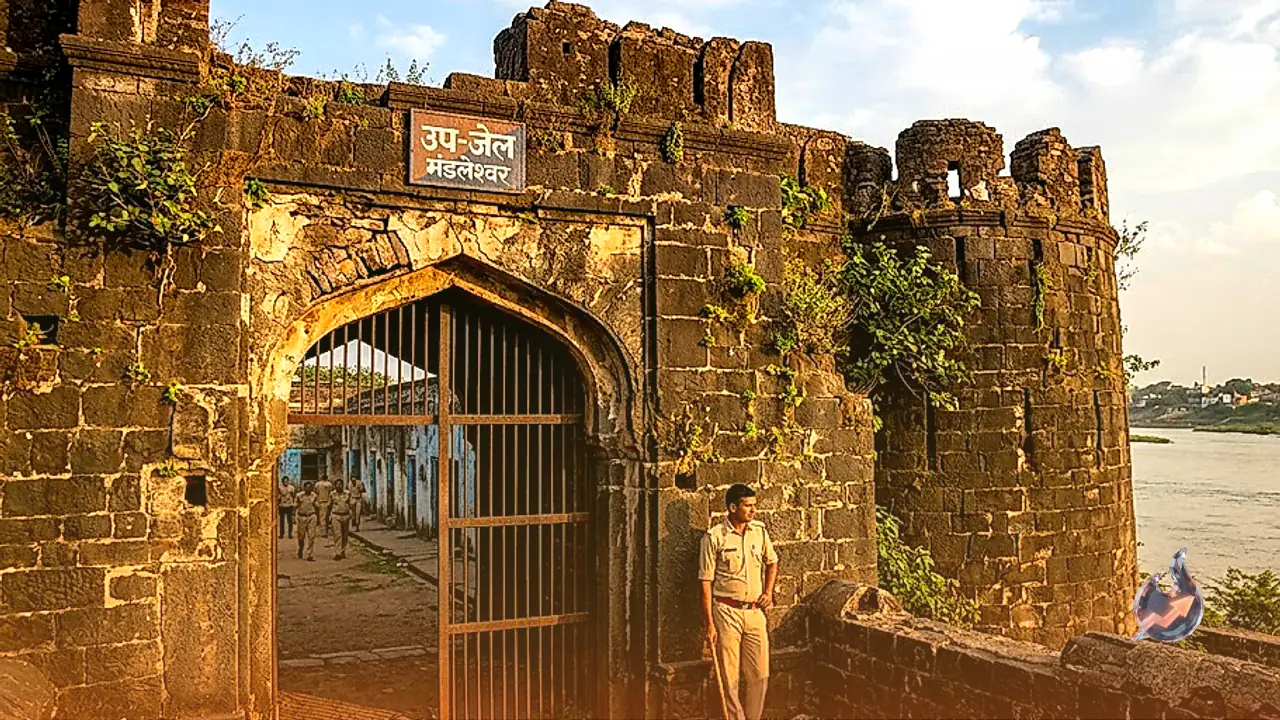

On the banks of the Narmada river in Mandleshwar, a centuries-old fort stands as a fading witness to its own decline. It once symbolised the power of the Maratha Empire's Bajirao Peshwa, but decades of neglect have left its walls crumbling and pushed it to the brink of turning into ruins. What makes its story even more striking is that nearly eight decades after independence, this historic structure is still functioning as a jail, making it one of Khargone district's most unusual, yet least talked about, heritage sites.
Built by the Peshwa, handed to a Jahagirdar family
Historians say the foundation of this sprawling fort was laid around 300 years ago during the reign of Bajirao Peshwa (the first). Once construction was complete, the Peshwas handed it over to a Jahagirdar family that had arrived from Maharashtra. The family was entrusted with performing regular worship at Mandleshwar's Kashi Vishwanath temple, and in return, they were allowed to live within the fort. For generations, this family stayed on, looked after the fort and carried forward the temple's traditions, until the arrival of British rule turned the fort's fortunes around completely.
A jagir lost over an adopted heir
According to historian Durgesh Rajdeep, the Jahagirdar family lost its jagir in much the same way Rani Lakshmibai of Jhansi was stripped of her title after adopting a son. The British used this very argument to declare the family's adopted successor invalid and dissolve their jagir. Once the jagir was gone, the entire fort passed directly into British hands. A building that had once stood as a symbol of Maratha pride and local tradition was, from that point on, turned into an instrument of colonial rule.
From treasury to official jail
Soon after taking over the fort, the British first used it to store the government treasury, since its thick walls made it well suited for the purpose. At the time, Mandleshwar served as an important British military cantonment in the Nimar region, housing large numbers of soldiers, cavalry units and senior officers. In 1890, the fort was formally declared a jail. Even before that, though, the British had already been using the building as a jail during the First War of Independence in 1857.
Sursi Bai's death and the revolt that followed
Freedom fighters from the Nimar region who were captured by the British were routinely locked up inside this very jail. Sursi Bai, mother of the well-known revolutionary Bhima Naik, was also imprisoned here. She is said to have died as a result of the torture inflicted on her by the British. Her death enraged revolutionaries in the area, who stormed the fort and drove the British out of it, an episode considered a significant turning point in Nimar's freedom struggle.
The Holkars kept it a jail too
Not long after that revolt, in 1864, the fort came back under Holkar rule, but the Holkar rulers, too, chose to keep using it as a jail. After India's independence, its status changed from a Central Jail to a District Jail. Later, once the district headquarters moved to Khargone, the Mandleshwar structure was converted into a Sub Jail. From the Peshwa era right up to the present day, the building has, in one form or another, always been used to hold prisoners, and it continues to function as a jail today.
Neglect is turning heritage into ruins
Carrying nearly three centuries of history, the fort stands as a silent witness to the Peshwa era, British rule, the 1857 uprising and the Holkar period, holding within it countless untold stories. But years without proper upkeep have left many of its walls and its original structure steadily crumbling. Local residents and history enthusiasts believe the Archaeological Survey should step in to protect this heritage site and develop it systematically as a tourist destination. Doing so, they say, would not only preserve Nimar's proud history for future generations but also give the region a fresh and stronger identity on the tourism map.