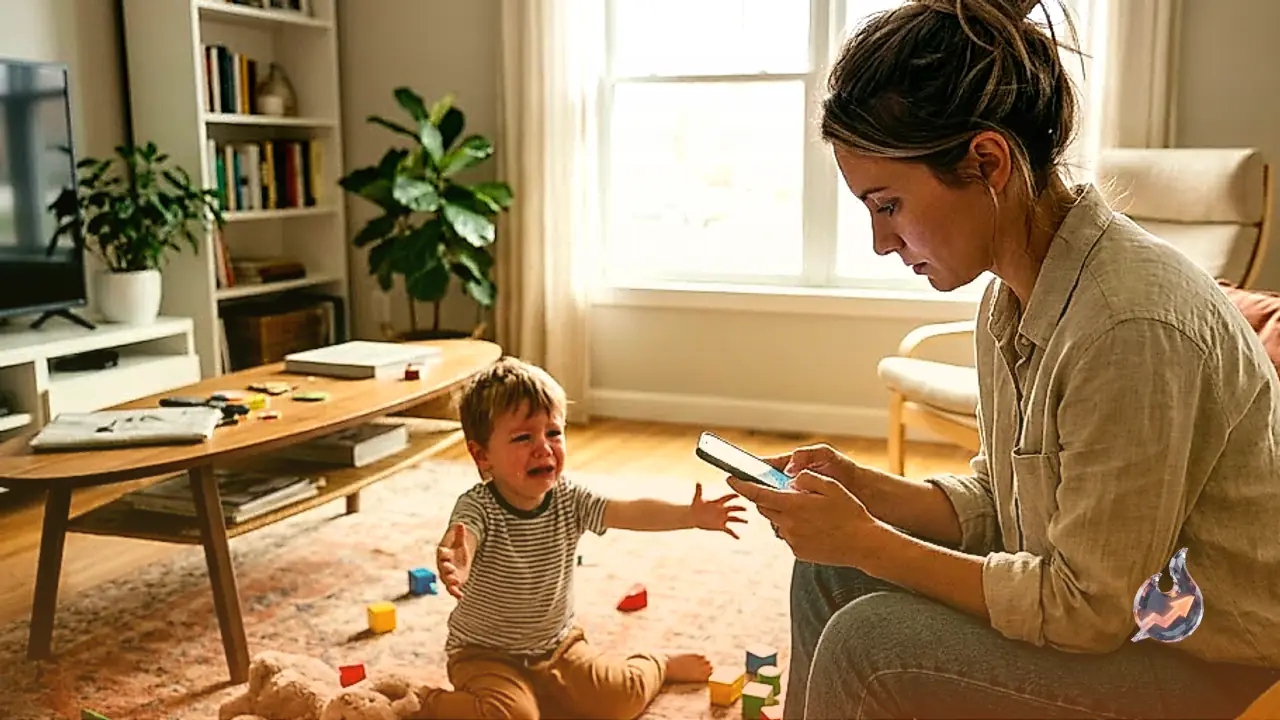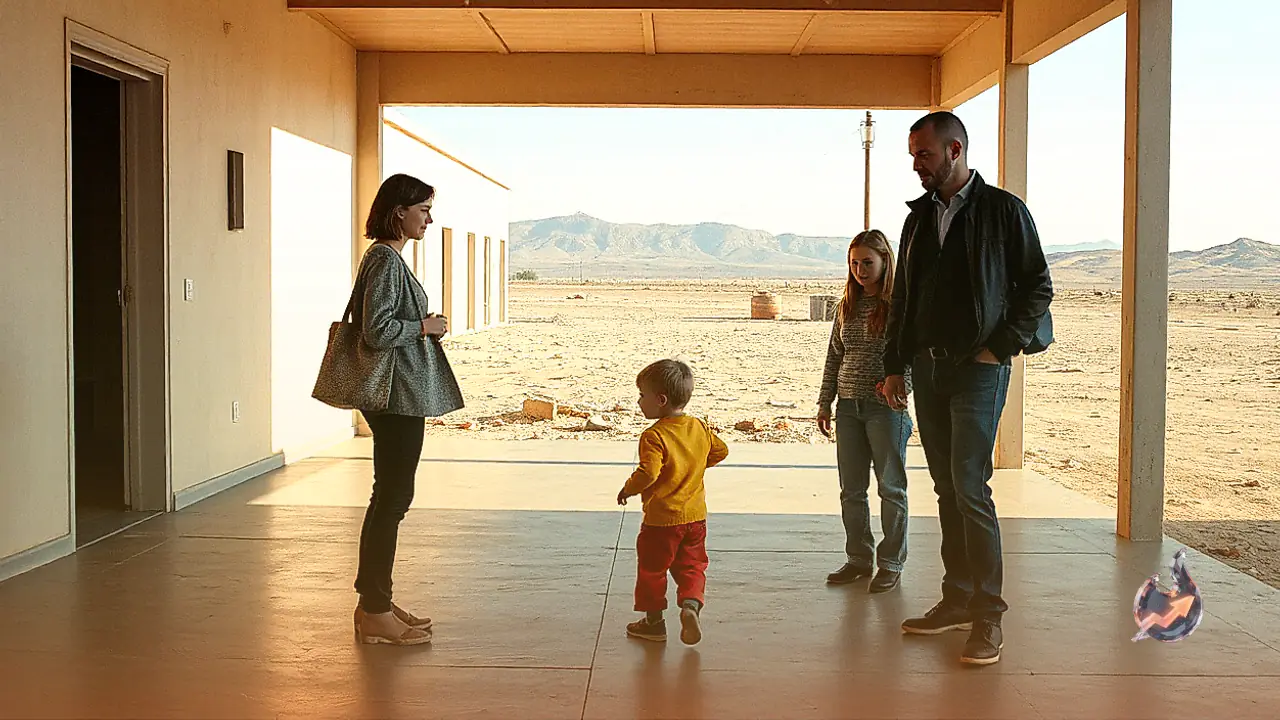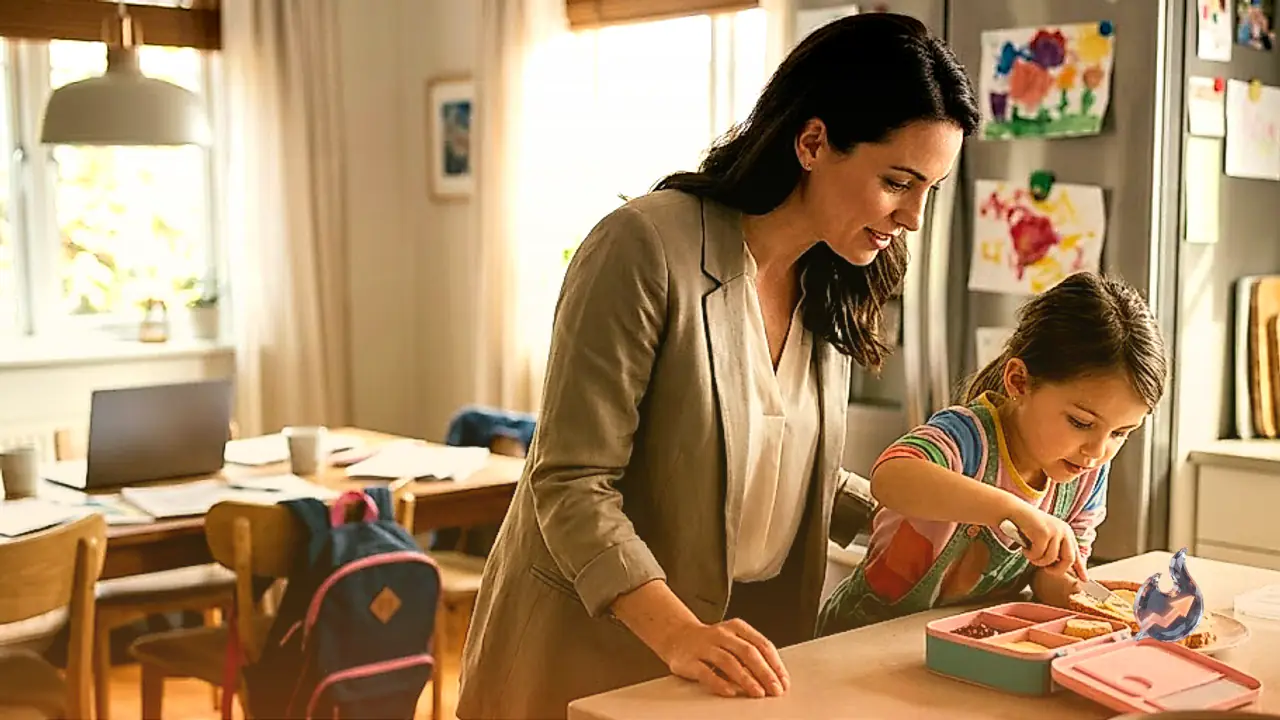

























In today's fast-paced environment, parents constantly strive to keep their children occupied every single hour of the day. Whether through smartphones, television screens, coaching classes, or sports, the underlying fear is that idle time equals wasted time. However, child development experts point out a completely different perspective, suggesting that letting children experience occasional boredom is actually essential for their growth. Far from being a waste of time, downtime acts as a powerful catalyst for enhancing creativity, building self-reliance, and strengthening critical thinking abilities.
Boosting Imagination and Creative Thinking
When children face moments with no structured activities or scheduled entertainment, their brains are prompted to think in entirely new directions. Without external stimuli dictating their actions, they begin inventing their own games, weaving imaginary stories, and exploring their immediate surroundings. This organic process exercises their imagination deeply, fostering a unique brand of creative thinking that structured schedules rarely achieve.
Developing Problem-Solving and Independence
Experiencing boredom pushes children to figure out ways to keep themselves engaged. During these unscripted moments, they learn to make minor decisions and find solutions to their own minor dilemmas. This foundational skill proves immensely valuable later in life when navigating academic, professional, and everyday challenges. Furthermore, when adults do not constantly entertain them, children avoid developing a sense of dependency. Boredom grants them the opportunity to design their own activities and manage their schedules, building self-confidence and a strong sense of personal independence.
Fostering Self-Awareness and Reducing Screen Time
Quiet, unstructured time grants children the mental space to understand their own feelings and innermost thoughts. They begin recognizing what they genuinely enjoy, what repels them, and where their true passions lie, paving the way for healthy personality development. Moreover, when parents resist the urge to hand over a smartphone or switch on the television the moment a child complains of boredom, children naturally begin exploring alternative pursuits. They pick up books, start sketching, help around the house with minor chores, or engage in creative play, which naturally keeps their daily screen time well regulated.
Practical Guidelines for Parents
Avoid rushing to hand over a mobile phone or digital gadget the moment a child appears bored. Give them a brief window of time to figure out a new activity entirely on their own. Additionally, ensure that books, drawing materials, puzzles, and other creative resources remain readily accessible around the house so children can dive into constructive pursuits aligned with their personal interests whenever inspiration strikes.