




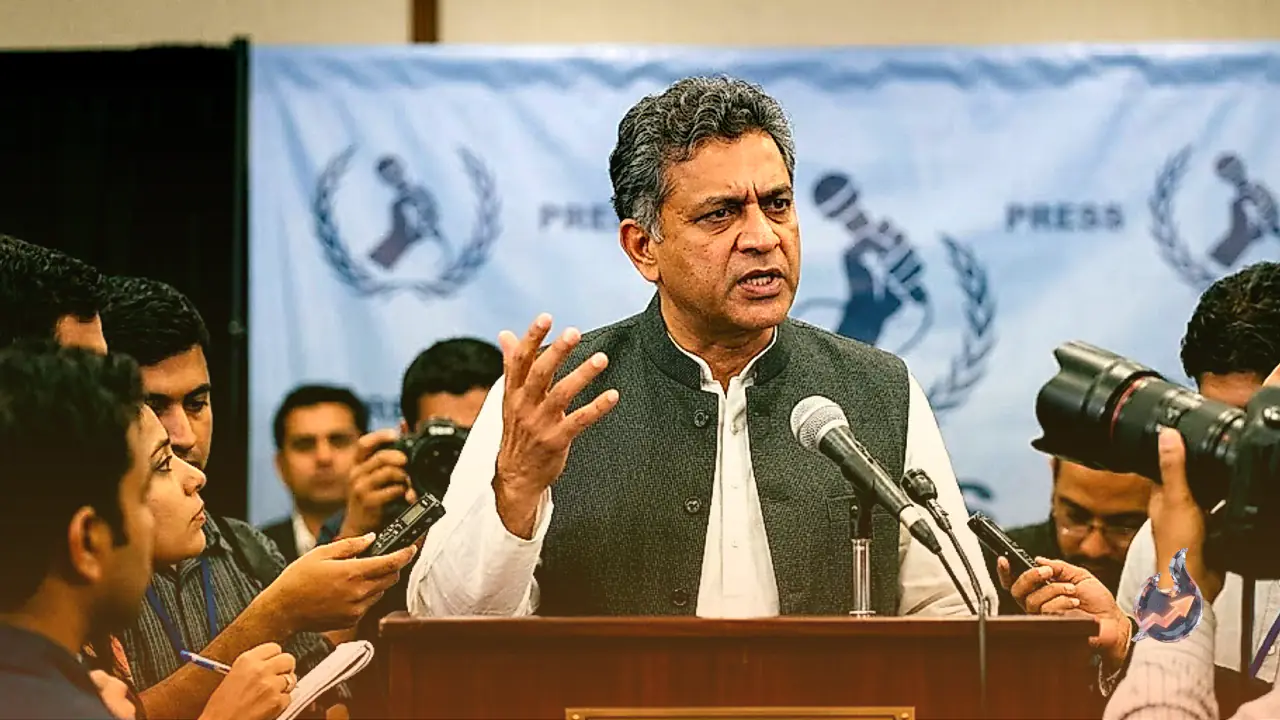















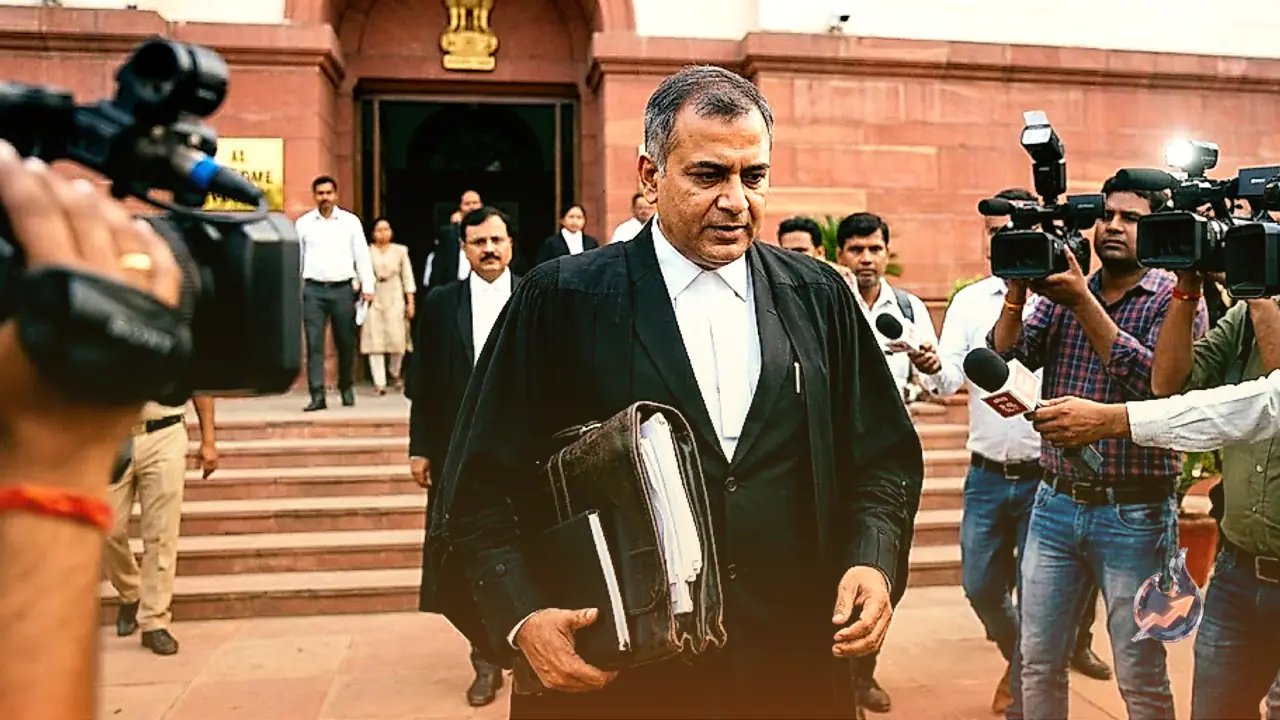

Chief Election Commissioner (CEC) Gyanesh Kumar is currently at the center of a major controversy. The operational methods and decisions of the poll panel under his leadership have come under intense scrutiny following recent disclosures. Media reports have alleged discrepancies and manipulation within the system of electoral records (SIR), alongside significant internal rifts among the election commissioners. This development has triggered a wave of political protests, with the opposition, led by the Congress party, demanding the immediate resignation of the CEC. Amid this growing political storm, the battle has now reached the corridors of the highest court in the country. Shailendra Mani Tripathi, a prominent lawyer practicing in the national capital, has filed a public interest litigation in the Supreme Court, intensifying the ongoing national debate surrounding the autonomy and integrity of the Election Commission of India.
Internal Discord and Grave Allegations Inside the Poll Panel
The petition filed by Shailendra Mani Tripathi raises fundamental questions regarding the functioning and decision-making processes of the election body. It directly challenges the manner in which voter lists have been revised and managed. One of the most striking allegations in the petition is the purported removal of approximately 13 crore names from the country’s voter lists, a claim for which Tripathi has demanded a comprehensive and independent investigation. Furthermore, the petition seeks the cancellation of allegedly unauthorized alterations made to Form 6, alongside strict legal action against the officials responsible for these lapses.
The gravity of this legal challenge is compounded by details regarding internal friction within the commission. According to news reports, two election commissioners, Sukhbir Singh Sandhu and Vivek Joshi, had expressed written dissent over several crucial decisions taken by the commission over the past 10 months. These objections reportedly pertained to key administrative policies, including the registration of voters, as well as the deletion and reinstatement of names in the electoral rolls. However, the Election Commission has actively dismissed any narrative of institutional fragmentation. The body maintained that diverse viewpoints are a natural and healthy component of its institutional deliberations, rather than a sign of internal breakdown.
The Legal Career of Advocate Shailendra Mani Tripathi
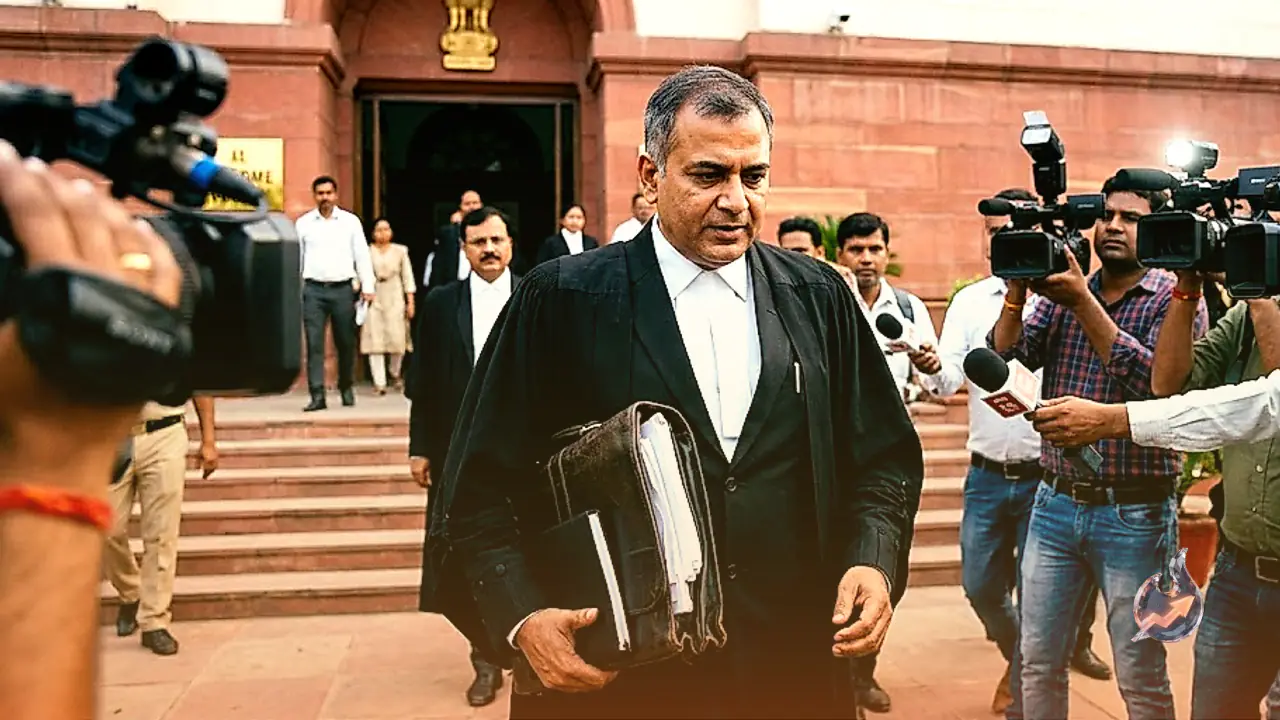
The advocate behind this high-profile Supreme Court petition is a well-established figure in the legal community. Practicing in both the Delhi High Court and the Supreme Court of India, Shailendra Mani Tripathi is known for championing various public interest issues. Over the years, his legal interventions have not been confined to political or electoral controversies; instead, he has consistently brought pressing socio-legal issues to the attention of the judiciary, shaping public discourse on several fronts.
One of the most notable campaigns led by Tripathi involves the demand for menstrual leave (period leave) for female employees and students. He first approached the Supreme Court on this matter in 2023, seeking a national policy to address the physiological needs of women. Demonstrating sustained commitment to the cause, he filed subsequent petitions on the same issue in 2024 and 2026. While hearing these petitions, the apex court recognized the matter as a significant policy question, directing the Central Government to look into the issue and formulate an appropriate regulatory framework for working women and students across the country.
Advocating for Professional and Social Reforms
Beyond the sphere of gender rights, Shailendra Mani Tripathi has also sought practical reforms within his own profession. In 2022, he filed a petition in the Supreme Court highlighting the physical discomfort faced by lawyers due to dress code mandates. He argued that lawyers should be exempted from the compulsory requirement of wearing heavy black coats and gowns during the extreme heat of the summer months. Although the Supreme Court ultimately declined to entertain the petition, deeming it not maintainable, the move succeeded in drawing widespread attention to the working conditions of legal professionals in India.
As an active member of the Supreme Court Bar Association, Tripathi has built a reputation as an advocate who utilizes public interest litigation to address structural and systemic issues. His latest petition concerning the Election Commission has once again propelled him into the national spotlight.
A Separate Legal Action Against the Poll Chief
Parallel to Tripathi’s efforts, another distinct legal initiative has emerged concerning the conduct of the Chief Election Commissioner. On September 24, 2026, Brijesh Singh, another advocate practicing in the Supreme Court, sought the statutory consent of the Attorney General of India to initiate criminal contempt proceedings against CEC Gyanesh Kumar.
In his representation, Brijesh Singh cited the same media reports detailing the alleged internal differences and administrative irregularities within the Election Commission. He anchored his argument on landmark rulings of the Supreme Court, including the historical judgments in TN Seshan v. Union of India and Anoop Baranwal v. Union of India, both of which emphasized the absolute independence and neutrality required of the poll body. While both legal maneuvers target the credibility of the Election Commission, they represent entirely separate and independent legal pathways and should not be conflated as a single action.