



















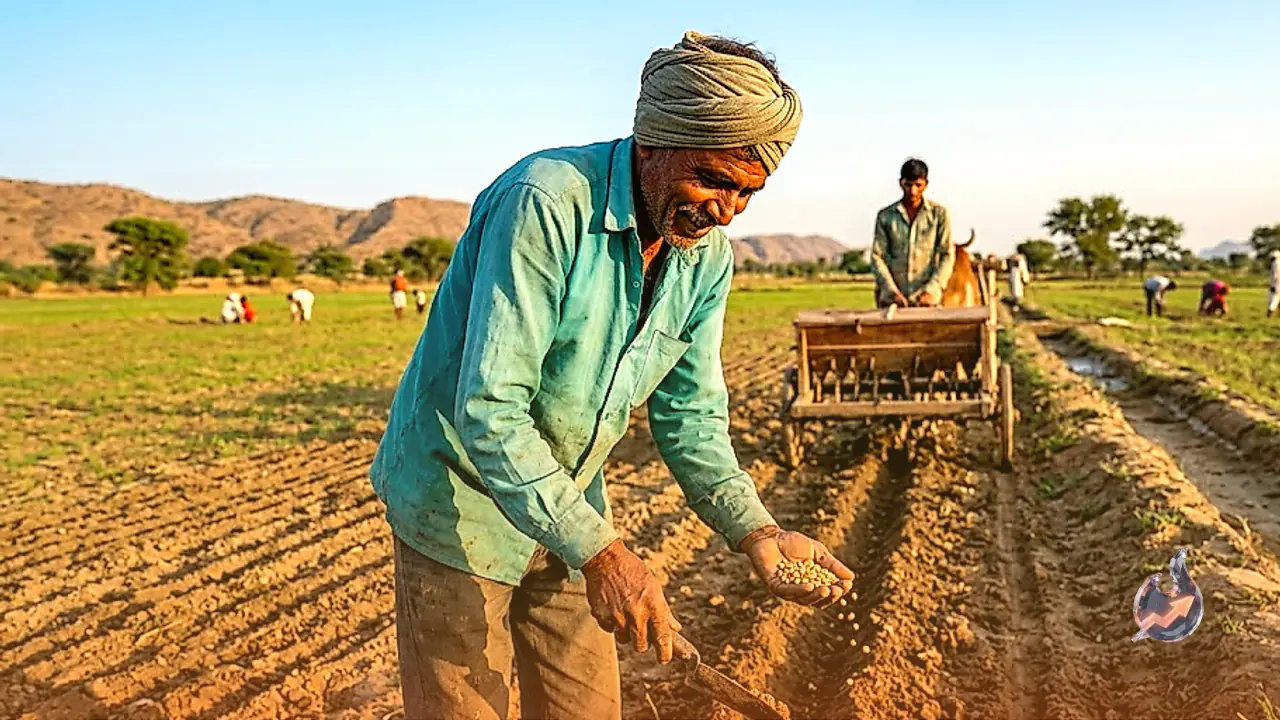

As the Rabi farming cycle gets underway, the month of October presents a strategic window for agricultural planning. In the Bhilwara district of Rajasthan, gram stands out as a vital crop choice, especially for growers dealing with constrained irrigation supplies. Once field preparation wraps up, farmers can promptly commence sowing operations. Initiating the crop at the right time provides young seedlings with robust early vegetative growth, allowing them to capitalize on favorable seasonal weather patterns. Because gram thrives even in moisture-scarce settings, it spares growers from heavy watering expenses throughout the season.
Land Preparation and Seed Treatment Essentials
Achieving a bountiful harvest begins with meticulous groundwork well before the seeds touch the soil. After clearing crop residues from the plot, ploughing the land once or twice helps create a loose, friable soil structure. Sowing should strictly be scheduled when there is sufficient residual soil moisture to support smooth germination. Growers must prioritize certified seed varieties that are well adapted to the local agro-climatic conditions. Treating the seeds prior to planting forms a crucial protective barrier, shielding nascent roots against early-stage diseases and fostering vigorous growth.
Instead of random broadcast scattering, placing seeds in orderly rows provides each plant with adequate breathing room and access to sunlight. Sowing in lines simplifies subsequent agricultural operations, such as manual weeding, hoeing, and routine crop maintenance. Proper spacing also ensures healthy airflow among developing branches, substantially lowering the chances of fungal buildup and pest harborage.
Water Conservation and Balanced Nutrition
Compared to alternative winter staples, gram demands significantly fewer irrigation rounds. This low moisture requirement translates directly into lower fuel and electricity bills, keeping operational expenses within strict limits. Applying fertilizers also requires a disciplined approach. Rather than dumping excessive fertilizers into the soil, testing the land and feeding it tailored nutrients prevents waste while preserving soil health. Timely eradication of competitive weeds coupled with consistent plot observation keeps maintenance outlays minimal and ensures developing plants receive uninterrupted nourishment.
Cost Efficiency and Profit Realization
While gram has the clear potential to deliver lucrative returns on a modest investment, actual farm output hinges on a combination of critical factors. Soil composition, prevailing weather, variety selection, moisture retention, and field hygiene collectively determine final yields. By synchronizing sowing dates with optimum soil moisture and rigorously tracking pest movements, growers can significantly bolster field productivity. With favorable market prices at harvest, gram can yield noticeably better profit margins than high-input alternatives like wheat.
Agricultural Department Guidance and Continuous Care
Farmers gearing up for October sowing must first assess the moisture status of their individual plots before locking in their schedule. Relying solely on certified seed stock and seeking counsel from the local agriculture department regarding regional varieties, appropriate seeding rates, and exact fertilizer dosages will prevent missteps. Dedicated surveillance throughout the entire crop lifecycle ensures issues are caught early. Through disciplined timing, reduced input overheads, and vigilant farm management, gram offers Bhilwara farmers a viable path to solid harvests and rewarding earnings this season.