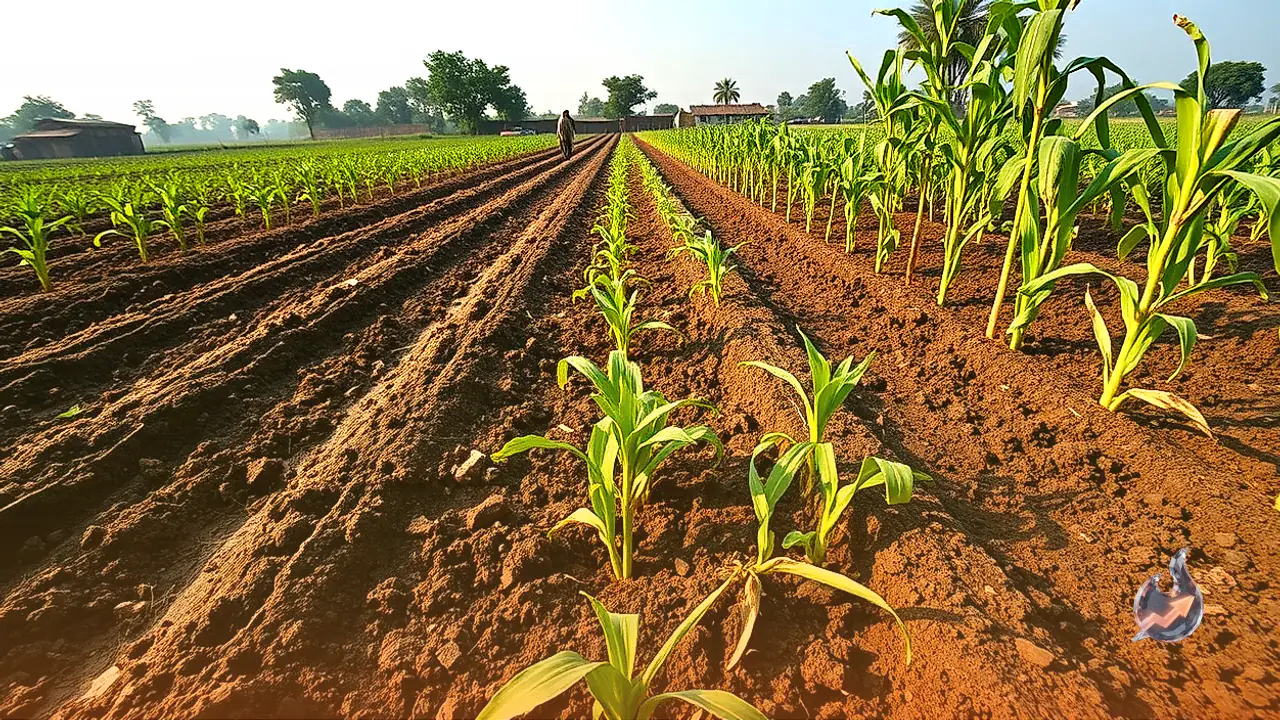





















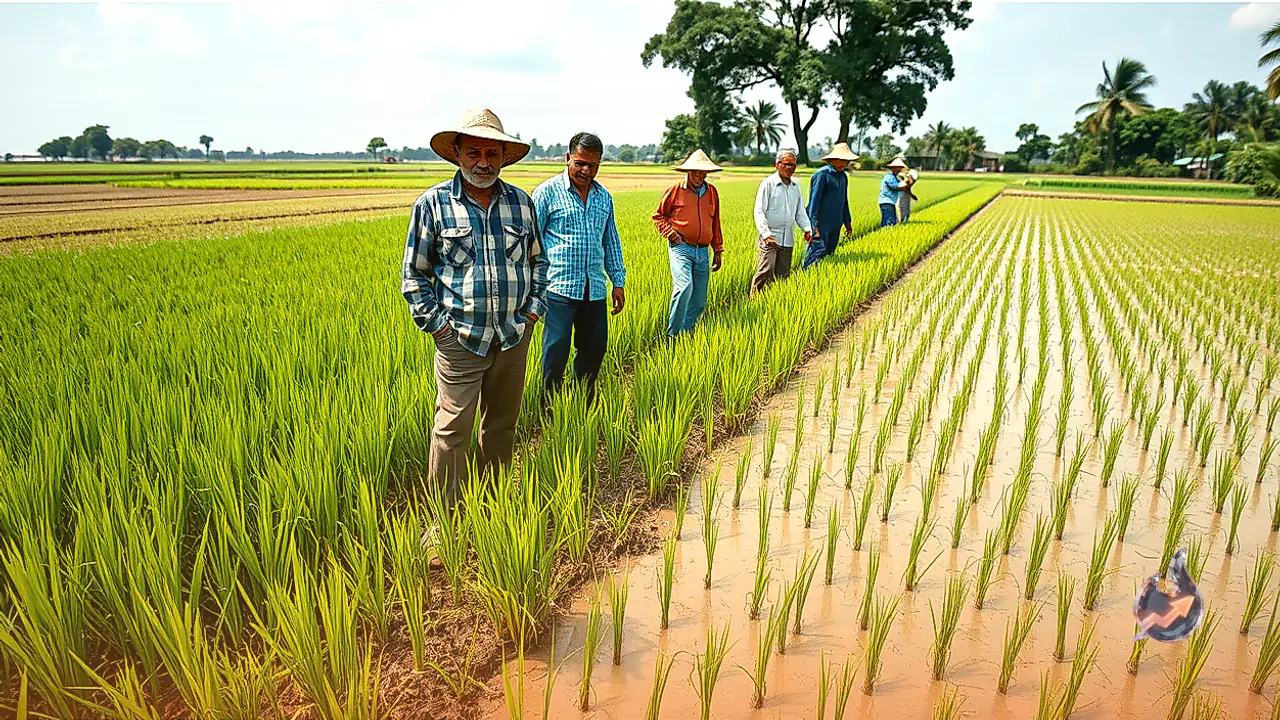

Paddy farming forms the backbone of agriculture across Bihar, with farmers in Jehanabad district planting the staple crop on an extensive scale every season. A long-standing traditional adage in the countryside has held that paddy, much like betel leaf, demands a daily bath. In practical terms, growers have historically believed that crops must remain standing in pools of water to yield a healthy harvest. However, depleting groundwater reserves, erratic weather shifts, and mounting water scarcity have begun threatening this ancient reliance. The pressing question of where future irrigation supplies will come from has forced scientists and agronomists to reconsider irrigation protocols and introduce modern mechanized solutions designed to curtail excessive water usage without hurting grain yields.
The Shocking Water Cost Behind a Single Kilogram of Grain
Addressing the hidden water footprint of regular farming practices, agricultural machinery expert Engineer Jitendra Kumar from the Krishi Vigyan Kendra in Gandhar, Jehanabad, explained that traditional beliefs regarding flood irrigation do not align with modern crop science. While farmers generally assume that copious water availability is an absolute prerequisite for decent harvest volumes, real-world data paints an alarming picture. Producing merely one single kilogram of paddy requires consuming anywhere between 3,000 litres and 5,000 litres of water. When projected across the vast agricultural expanses cultivated throughout the state, the sheer volume of freshwater channeled into rice paddies highlights a massive environmental and resource challenge.
Traditional Depth Rules Clash With Ground Realities
According to Engineer Jitendra Kumar, conventional farmers have operated under the assumption that paddy fields must continuously maintain a standing water depth of 3 to 4 centimetres. In everyday farm terminology, this translates to keeping roughly one and a half inches of standing water across the field surface at all stages. While such extensive flooding may have been feasible in earlier decades when groundwater tables were shallow and rainfall patterns reliable, the current reality has fundamentally shifted. Climatic transformations have made it practically impossible to maintain such elevated standing water volumes, simply because regional freshwater supplies are depleting at an alarming rate.
Shrinking Per Capita Water Availability Demands Smart Technology
Detailing the broader resource deficit, Kumar pointed out that per capita water availability currently stands at roughly 1,600 cubic metres. Projections indicate that this reserve level is on a steady downward trajectory and will dwindle further to approximately 1,400 cubic metres per person. To safeguard agricultural production under shrinking water reserves, farmers must abandon flood irrigation in favor of modern agronomic devices. Specialized measuring tools and irrigation indicators have now been engineered to read actual moisture and water levels within the soil. By deploying these precision instruments and water-saving machinery, growers can supply moisture judiciously, eliminating wasteful overuse while maintaining sustainable yields.