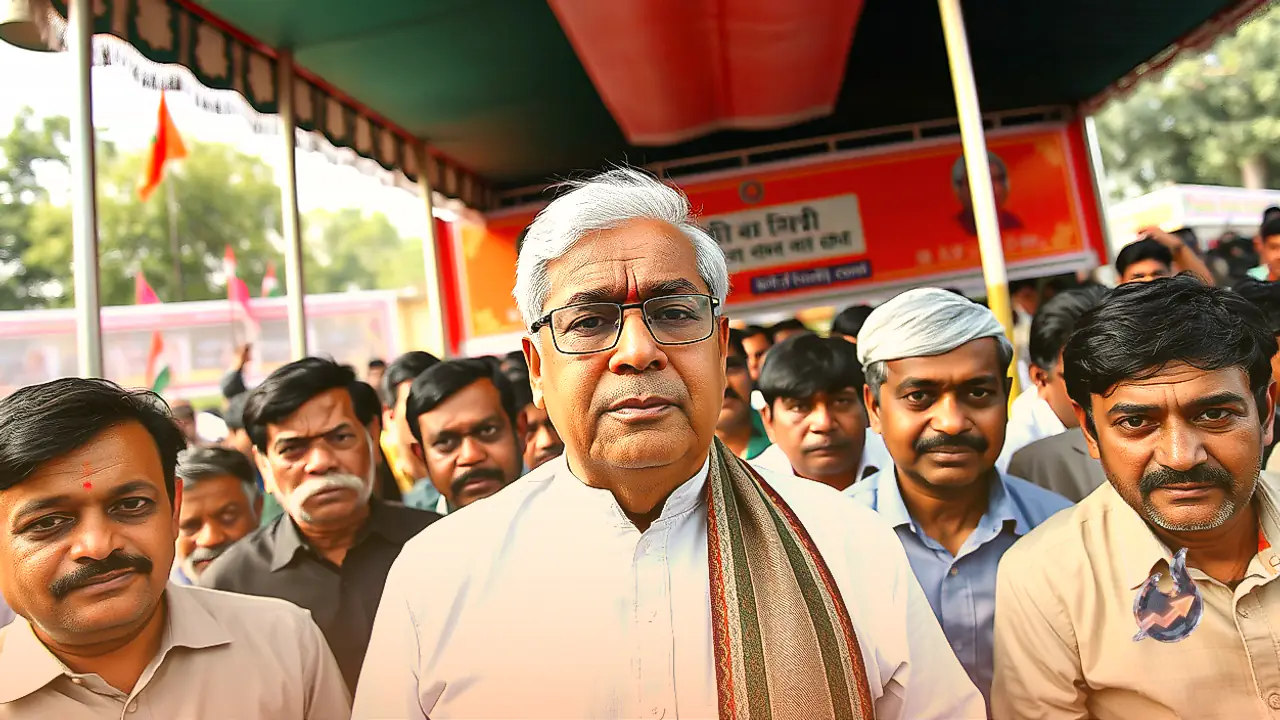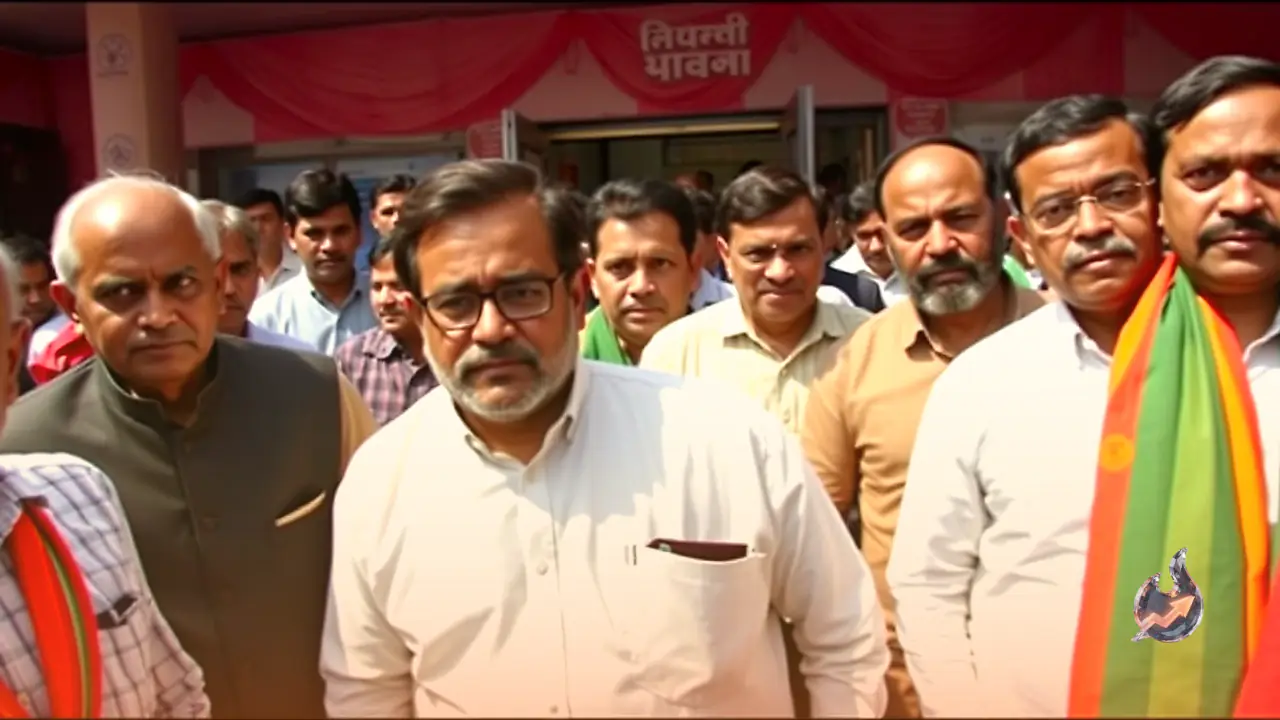


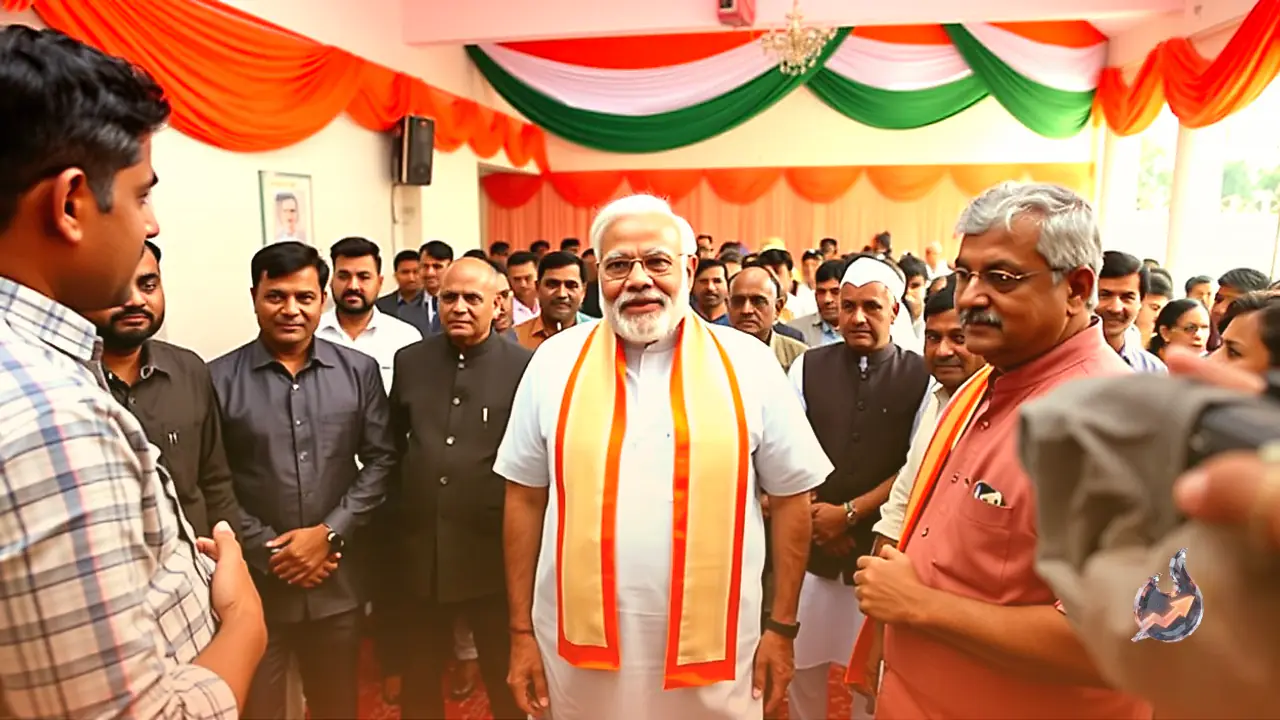
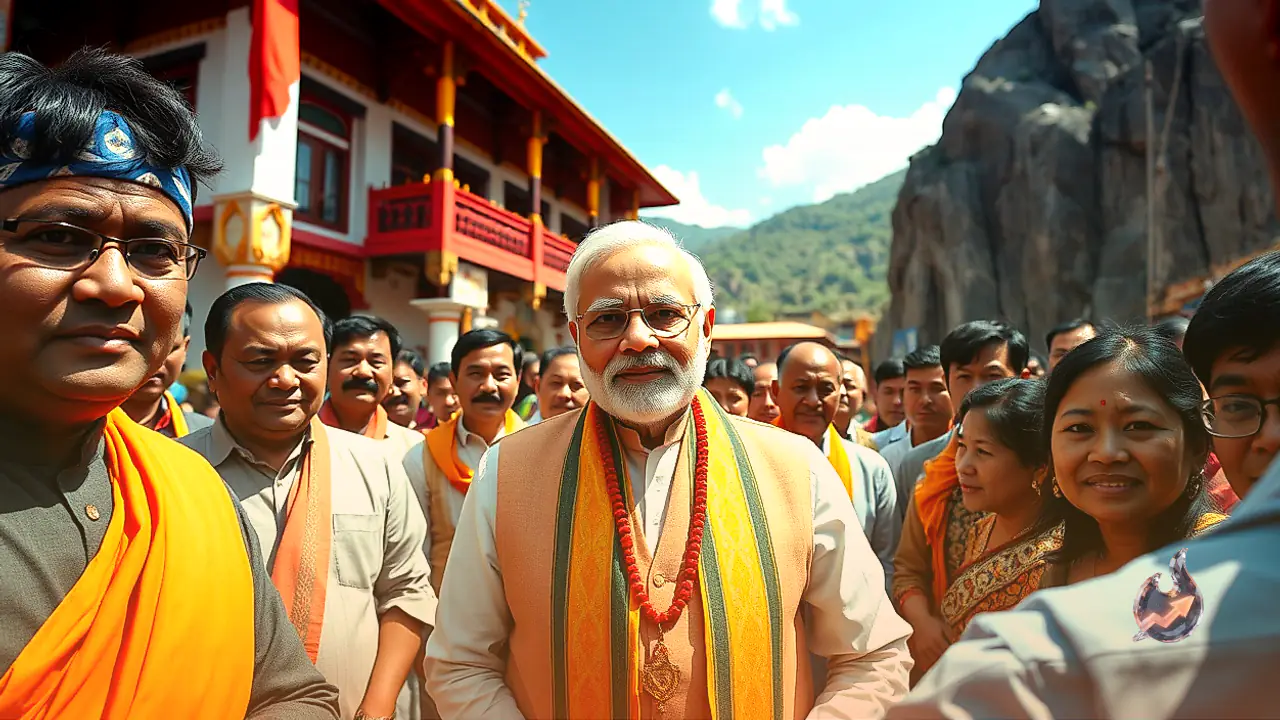














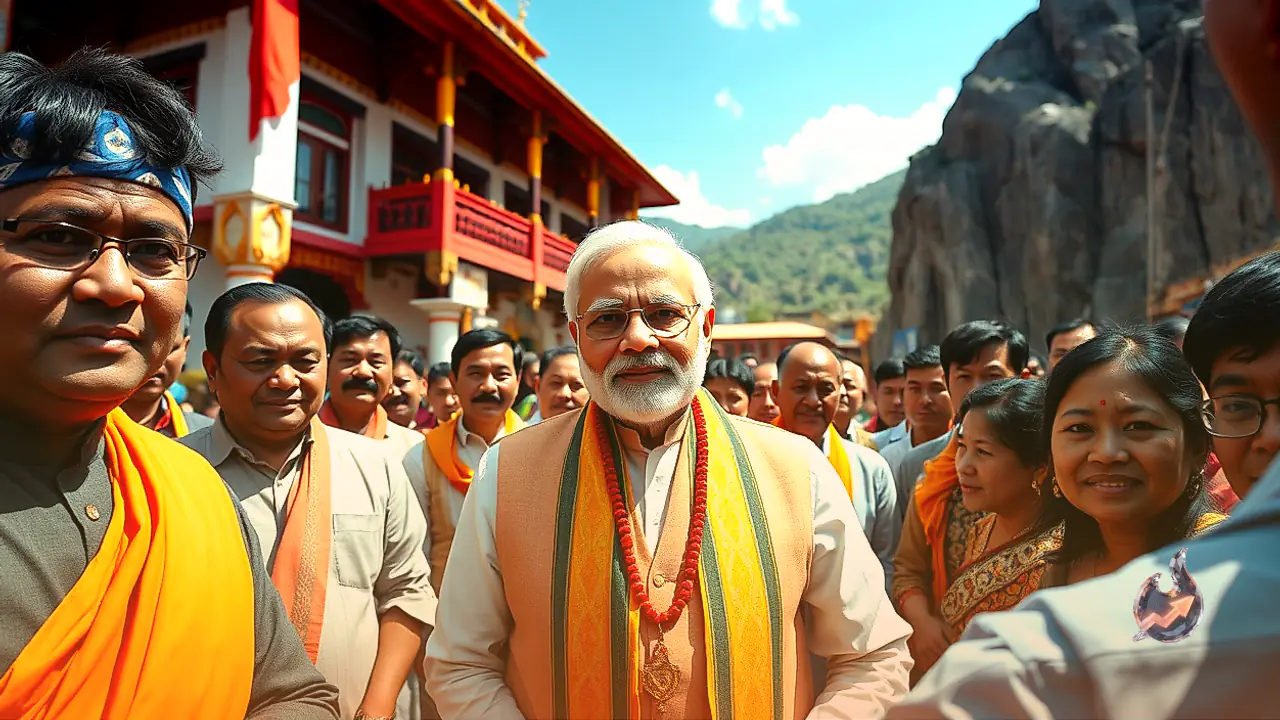

Marking the completion of 25 years of governance by Narendra Modi on October 7, 2026, international leaders and dignitaries extended their felicitations. Among the most notable reflections came from Bhutan Prime Minister Tshering Tobgay, who penned an emotional and comprehensive open letter detailing their enduring bond, shared regional values, and the administrative milestones that have reshaped governance across the subcontinent. Tobgay reflected on personal interactions, explaining why he regards the Indian leader as both an elder brother and a transformative ruler.
The July 2019 Meeting as a Private Citizen
Delving into their shared history, Tshering Tobgay recalled a pivotal encounter that occurred on July 27, 2019, in Delhi. At that juncture, Tobgay had recently experienced severe political headwinds. His party had suffered defeat in the Bhutanese general elections ten months prior, leaving it without a single representative in the national parliament. Stripped of official authority, Tobgay was neither the head of government nor a member of parliament; he arrived in the Indian capital purely as an ordinary citizen wishing to express personal gratitude to Narendra Modi for the steadfast support provided during his tenure.
During that candid discussion, Tobgay expressed that Modi would permanently remain his elder brother. This sentiment transcended generational differences, stemming directly from the genuine warmth, familial consideration, and respect extended to him despite his sudden departure from public office. The encounter revealed a relationship anchored in human empathy rather than transactional diplomacy.
The Vishnu Analogy and Subcontinental Traditions of Leadership
It was during this same 2019 exchange that Tshering Tobgay drew an analogy that momentarily surprised even himself. Addressing Narendra Modi, he described him as an embodiment of Vishnu, explaining that historical traditions across the shared geographical sphere have long viewed enlightened, benevolent rulers through this philosophical lens. Following the meeting, Tobgay reflected deeply on whether his words had been an emotional overstatement or a momentary lapse in judgment.
However, reassessing those remarks over the ensuing years convinced him of their fundamental accuracy. Observing the discipline, indefatigable energy, and selflessness driving Modi's daily duties reaffirmed the analogy. To Tobgay, a ruler who directs every waking moment toward the collective welfare of millions exemplifies the traditional ideals of a protector and guardian of societal order.
From Gujarat's Transformation to Continental Scale
Tshering Tobgay highlighted two distinct epochs in Narendra Modi's administrative trajectory. First, he observed his nearly 13 years managing Gujarat as Chief Minister, an era during which the western state established national benchmarks for infrastructure expansion, foreign direct investment, and operational execution. Gujarat evolved into a tangible model of economic momentum, demonstrating how disciplined governance translates policy into visible reality.
Following 2014, that same governance philosophy scaled to encompass the entire Indian nation. Broad initiatives targeting indigenous manufacturing, international capital inflow, financial inclusion, public sanitation, digital infrastructure, and large-scale public utilities gained unprecedented speed. Across every domain, Tobgay noted, the core emphasis remained unyielding: unwavering execution rooted in the spirit of selfless service to the people.
Buddhist Ideals of Rigsum Gonpo and Visionary Governance
Drawing from Bhutan's spiritual foundation, Tshering Tobgay referenced the Buddhist tradition of Rigsum Gonpo, the sacred trinity of Bodhisattvas dedicated to universal liberation. Within this tradition, Manjushri embodies transcendent wisdom; Avalokiteshvara represents boundless compassion; and Vajrapani personifies courage and resolute action. Tobgay argued that true statesmanship requires internalizing and harmonizing these exact three virtues through selfless daily labor.
In Tobgay's assessment, Narendra Modi’s most consequential achievement lies in reshaping the national psyche. Beyond material development, he instilled deep self-assurance within citizens, inspiring Indians to take pride in their heritage, pursue ambitious goals, and assert their global position with renewed conviction. These psychological shifts, according to the Bhutanese leader, remain the hallmarks of enlightened leadership.
Viksit Bharat 2047 and Collective National Endeavor
The Bhutanese Prime Minister observed these ethical dimensions culminating in the long-term vision of Viksit Bharat. True wisdom begins with formulating a definitive roadmap for the future. By committing to transform the country into a fully developed nation by 2047, precisely one century after securing independence, Narendra Modi provided a concrete framework, an explicit timeline, and a shared national mission.
This roadmap draws strength from the philosophy of Sabka Saath, Sabka Vikas, which channels the collective ambitions of 1.4 billion citizens toward inclusive prosperity. Compassion, in this governance context, means aligning state policy with the genuine hopes of ordinary citizens. Tobgay emphasized that this project transcends individual political careers or transient electoral cycles; through the call of Sabka Prayas, every individual is invited to co-author the nation's destiny, cementing a visionary legacy for generations to come.