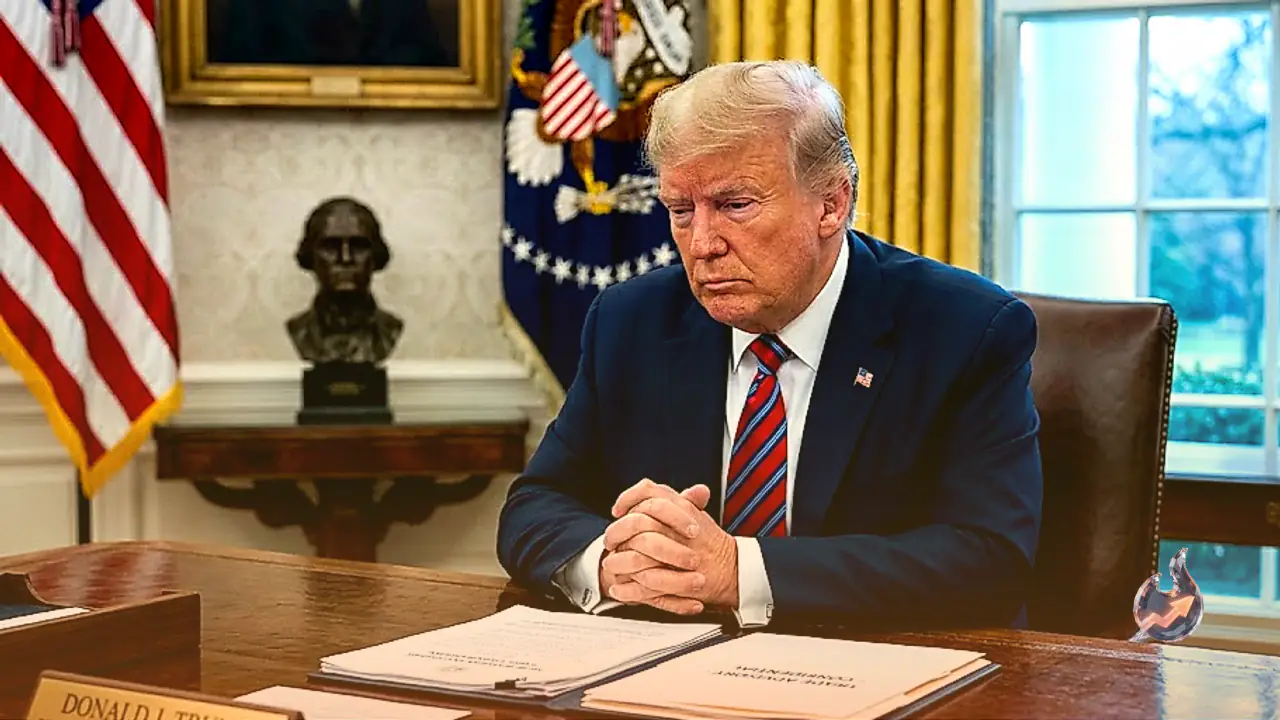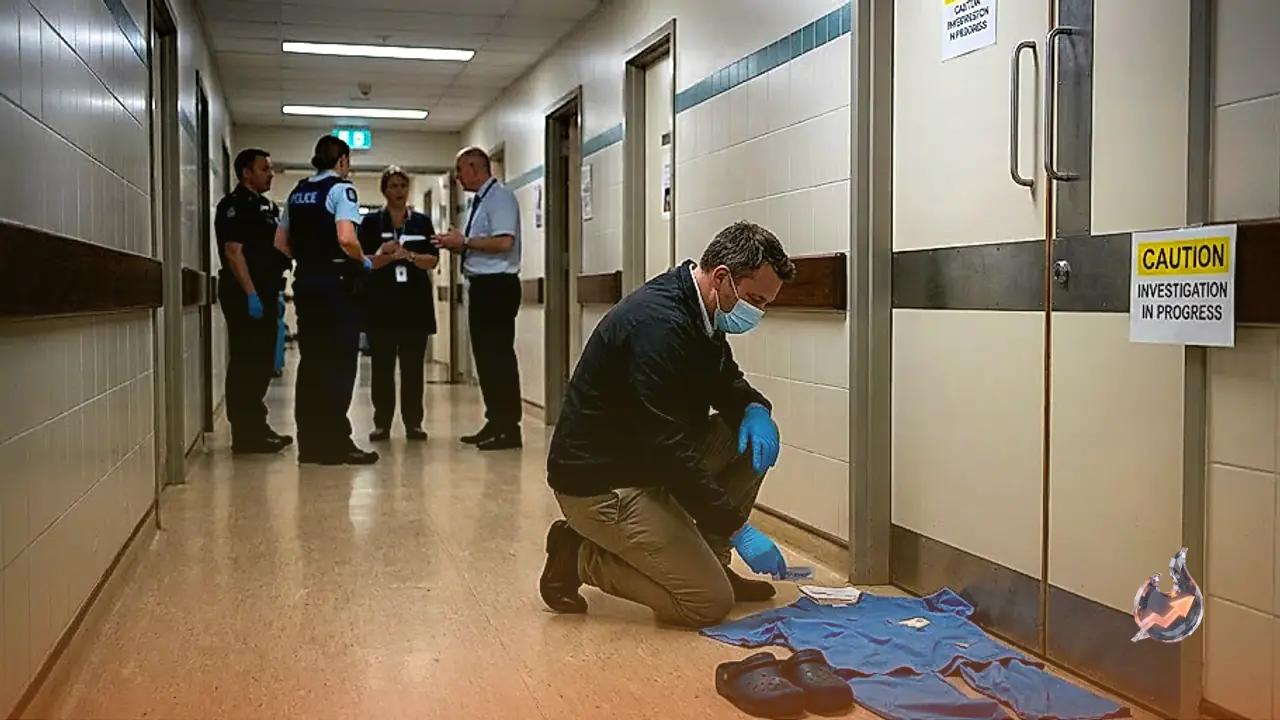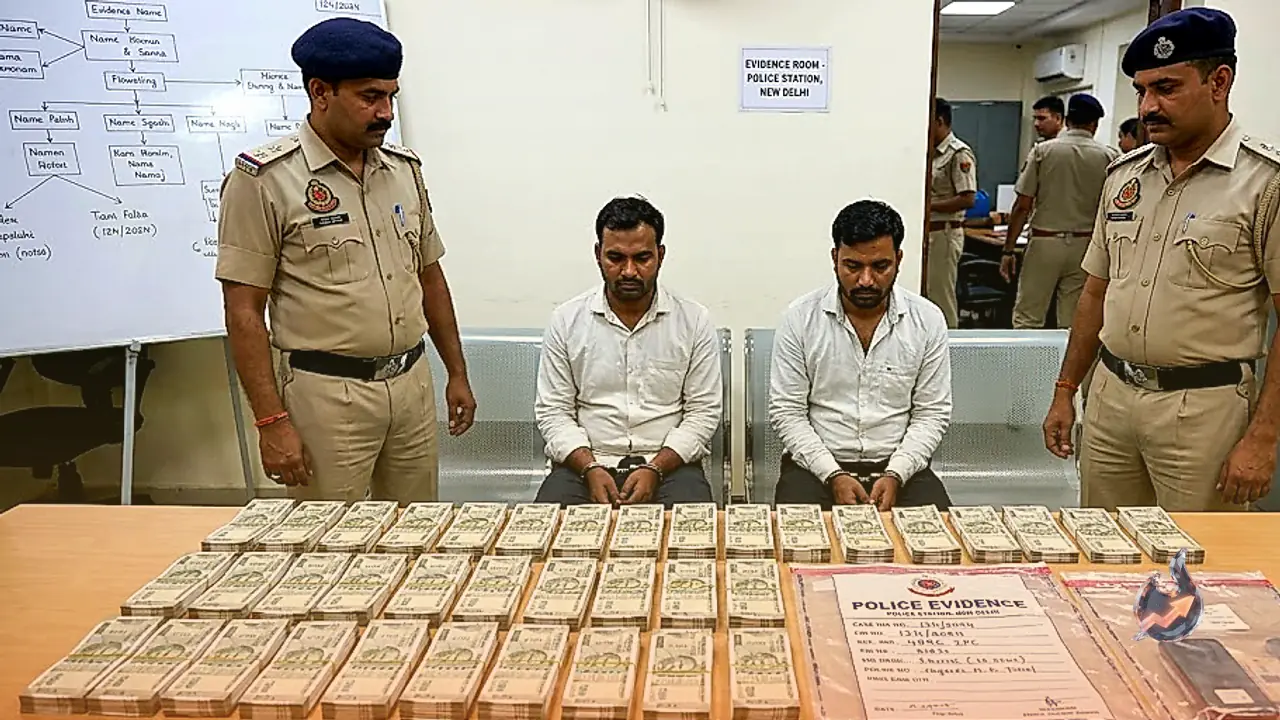





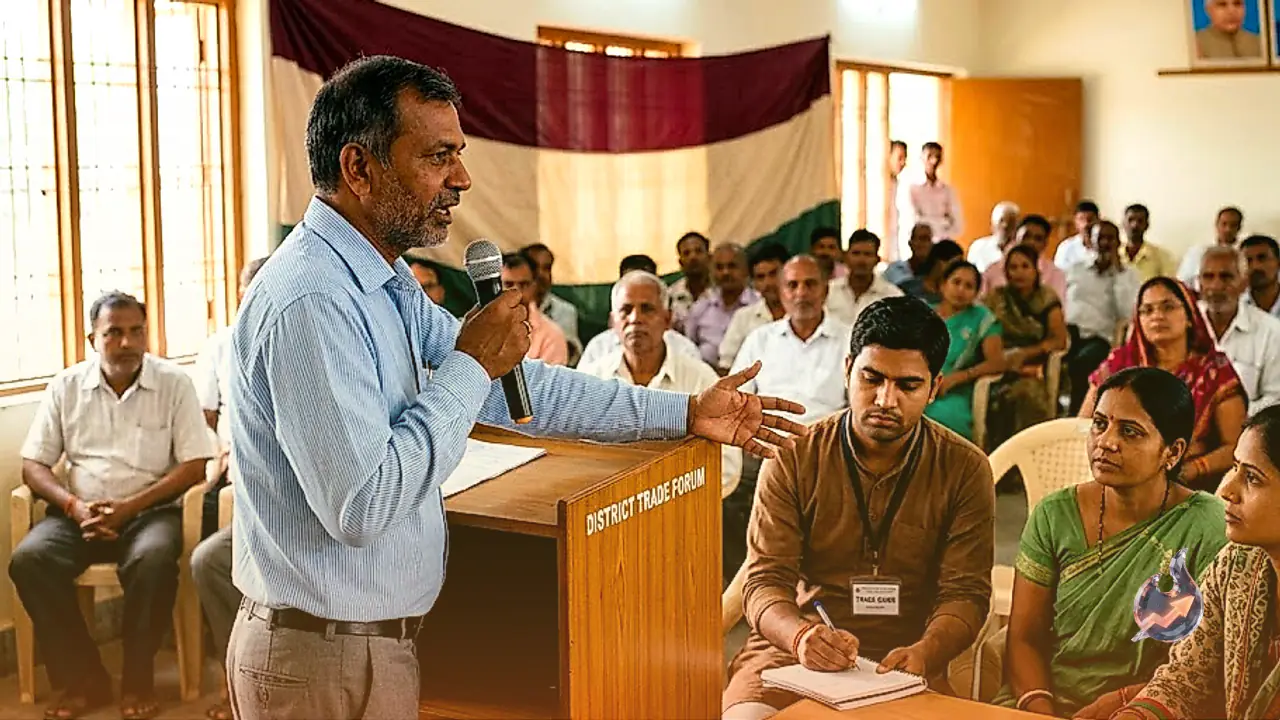



















A decisive and comprehensive roadmap has been put in motion to dismantle illicit narcotics networks across India. Under this overarching mission to achieve a drug-free nation, the central government has fixed December 31, 2029, as the firm deadline to completely eliminate the illegal drug trade. The nationwide initiative is structured to move past administrative discussions and routine bureaucratic reviews, transitioning directly into robust enforcement and measurable outcomes on the ground. Law enforcement agencies have been instructed to approach this effort not as a routine drive, but as an all-out, decisive campaign.
Institutional Overhaul and Five Years of Groundwork
Significant groundwork and systematic structural reforms have been established over the past five years to support this intensive effort. NCORD was instituted to ensure seamless inter-agency coordination, while the Narcotics Control Bureau (NCB) underwent comprehensive structural reorganization. Essential statutory amendments were simultaneously enacted to strengthen the legal framework against trafficking networks. To fortify judicial prosecution with incontrovertible scientific evidence, a dedicated vertical was established inside the Forensic Science Laboratory (FSL). Alongside widespread public awareness campaigns, these institutional mechanisms are now being deployed with full operational force across all jurisdictions.
Emerging Technological Threats and Specialized Tactics
The illegal narcotics trade has evolved drastically beyond traditional distribution channels, adopting sophisticated concealment and distribution methodologies. Enforcement agencies now confront intricate hurdles including the rapid proliferation of synthetic drugs, diversion of precursor chemicals, encrypted marketplaces on the darknet, transaction settlements through cryptocurrency, anonymous dead drop deliveries, and complex cross-border syndicates.
Addressing the national conference of the Anti-Narcotics Task Force (ANTF), Union Home Minister Amit Shah directed state administrations to build specialized units staffed by innovative officers capable of unconventional thinking to neutralize these modern mechanisms. A successful outcome requires synchronized cooperation across every tier of governance and society. The campaign demands unwavering commitment starting at the grassroots level with school principals, village patwaris, and police station sub-inspectors, aligned seamlessly with state directors general of police, chief secretaries, and the Union Home Secretary.
Operational Milestones and Enforcement Progress
Official progress metrics reflect sustained momentum against organized narcotics syndicates across the nation
- Law enforcement agencies have successfully identified 57 of the 100 targeted major drug cartels operating nationwide.
- Out of 1,000 cases prioritized under the PIT-NDPS provisions, decisive enforcement action has been concluded in 811 matters.
- Authorities have already accomplished approximately 70 percent of their operational target for eradicating illicit narcotic crops.
Shifting Focus from Routine Meetings to Mission Delivery
Underlining the determination behind this initiative, Union Home Minister Amit Shah recalled personal counsel received from his mother. He noted that one should never hesitate over whether an objective is achievable; the only essential judgment is whether the duty is worth undertaking, leaving the eventual outcome to divine providence.
Drawing upon that steadfast resolve, administrative and investigative units have been directed to pivot fundamentally. The operation must progress from routine meetings toward mission-oriented execution, advance from file reporting to definitive field outcomes, expand beyond isolated substance seizures to the systemic liquidation of entire criminal networks, and ensure rigorous prosecution that pursues every registered offense through to strict judicial conviction.