



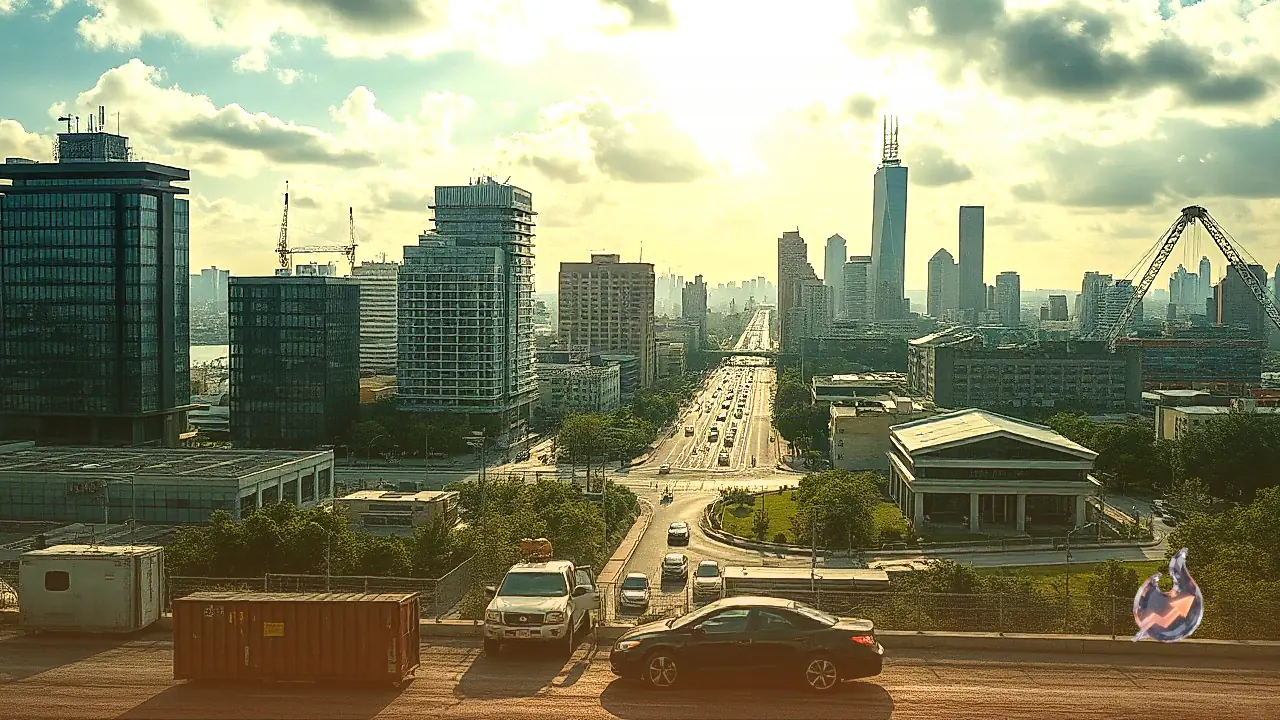















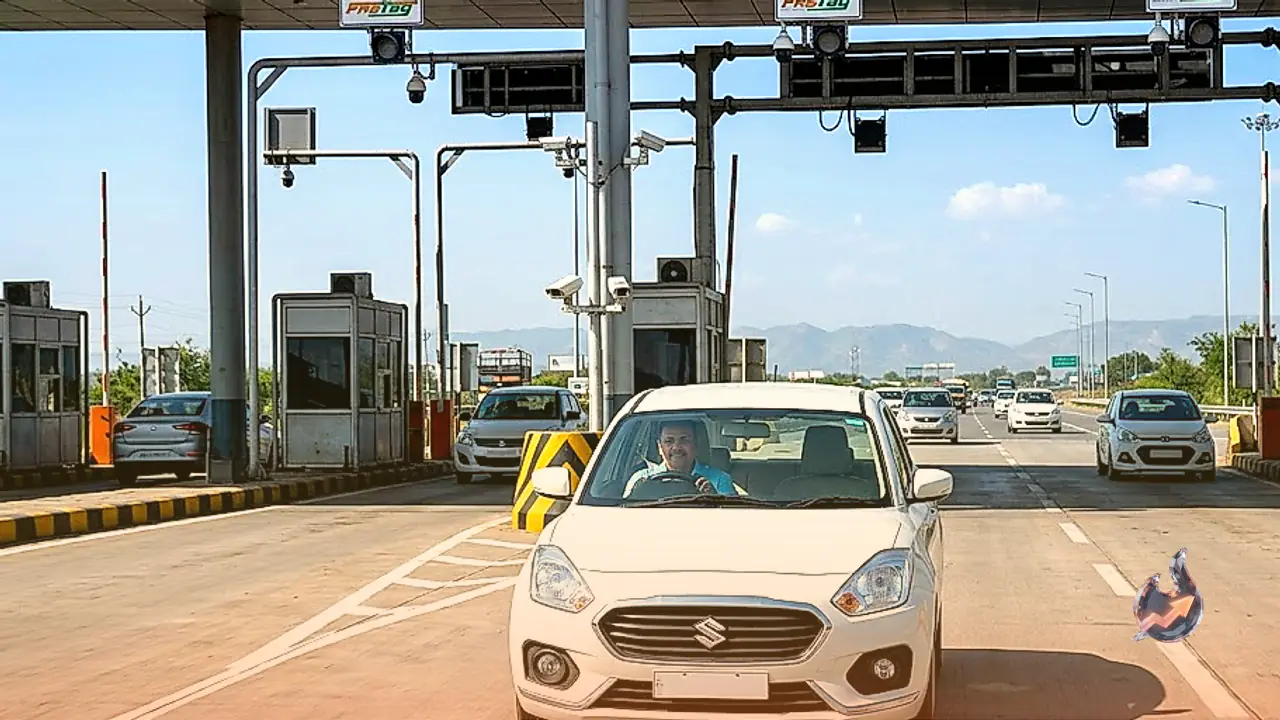

Travelers navigating between Delhi, Gurugram, and Jaipur along National Highway 48 (NH-48) will experience a major upgrade in their daily commute starting Saturday, August 1. The 270-kilometer corridor connecting Gurugram to Jaipur is officially transitioning into a completely barrier-free highway zone. Drivers on this stretch will no longer need to bring their vehicles to a halt or stand in queues at toll plazas, allowing traffic to flow continuously and efficiently without physical interruptions.
Shahjahanpur Plaza Completes the Barrier-Free Network
The transformation of the 270 km Gurugram-Jaipur route into a seamless transit zone is made possible by launching the Multi-Lane Free Flow (MLFF) system at the Shahjahanpur toll plaza in Rajasthan. While the Daulatpura and Manoharpura toll plazas along this highway were already operating with active MLFF technology, Shahjahanpur remained the last conventional toll gate on the corridor. With MLFF functionality going live at Shahjahanpur from Saturday, August 1, the entire stretch becomes queue-free, providing significant relief to lakhs of daily motorists.
NH-48 Corridor Scale and Future Expansion
National Highway 48 is one of India's most critical transit arteries, spanning 2,807 kilometers from Delhi to Chennai across seven states. Efforts to modernize this extensive highway network are progressing rapidly. Authorities have indicated that installation of MLFF equipment is also scheduled for the Kukrola (Kherki Daula) toll plaza. Once the Kukrola plaza goes operational with MLFF, the complete stretch connecting Delhi all the way to Jaipur will become barrier-free within a matter of days, ending stopping hassles for good.
How the Multi-Lane Free Flow Technology Operates
The Multi-Lane Free Flow (MLFF) architecture relies on high-performance RFID readers working alongside Automatic Number Plate Recognition (ANPR) cameras. As vehicles pass through designated highway points at regular cruising speeds, these sensors detect the active FASTag and read the registration plate simultaneously to deduct the applicable toll fee automatically. By removing physical booths and barriers, the system reduces travel time, prevents bottlenecks near toll points, conserves fuel, and lowers vehicular carbon emissions.
Nationwide MLFF Presence and IHMCL Expansion Plan
Prior to the August 1 rollout at Shahjahanpur, MLFF technology was active at five toll plazas across India: Choryasi in Gujarat, Mundka in Delhi, Gharaunda in Haryana, and Manoharpura and Daulatpura in Rajasthan. The Indian Highway Management Company Limited (IHMCL) is aggressively expanding this digital tolling setup across the country. Contracts have already been awarded for 12 additional toll plazas located across Gujarat, Tamil Nadu, Andhra Pradesh, Maharashtra, Assam, and Haryana, while bidding processes are underway for another 104 plazas nationwide.
FASTag Balance Rules and E-Notice Penalties
While the barrier-free system enhances driving convenience, it places greater responsibility on vehicle owners to monitor their FASTag accounts. Commuters must ensure that their FASTag is functional and maintains adequate funds before embarking on their journey. If a vehicle passes through an MLFF zone with a damaged tag, invalid credentials, or insufficient balance, an Electronic Notice (E-Notice) is generated automatically. Failure to clear the dues within 72 hours of receiving the notice will attract a penalty equal to twice the normal toll amount.