
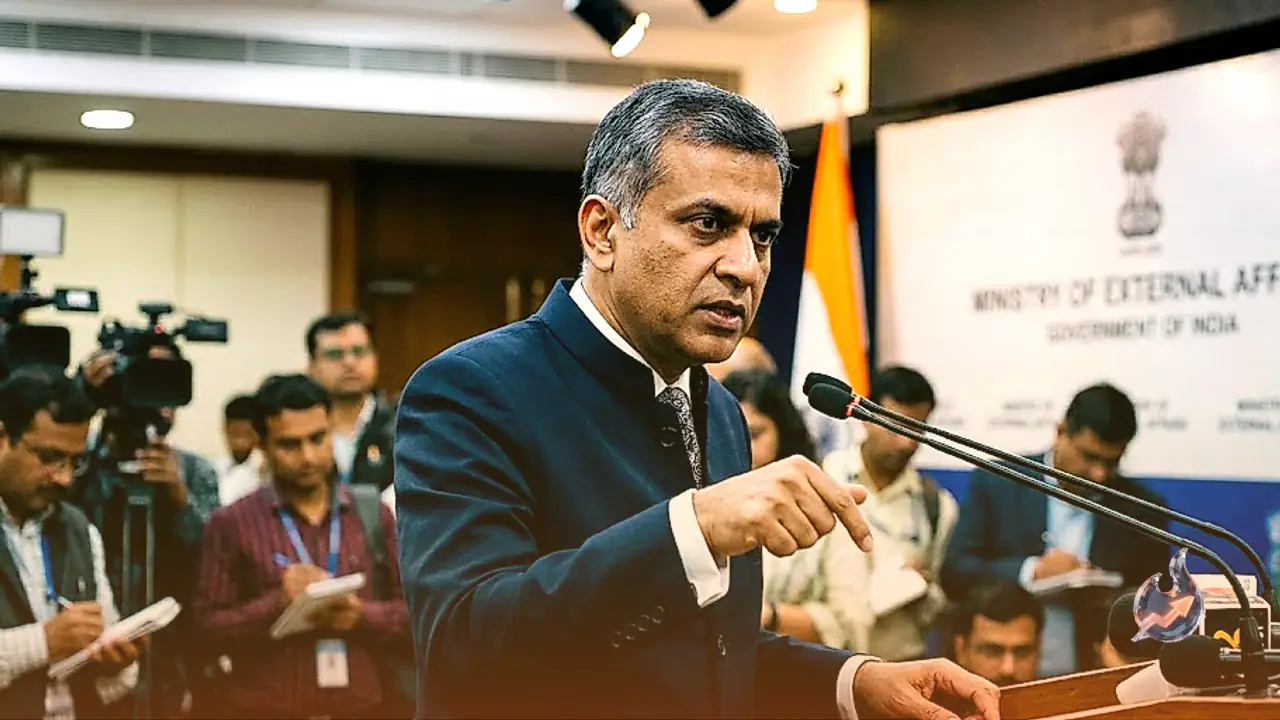







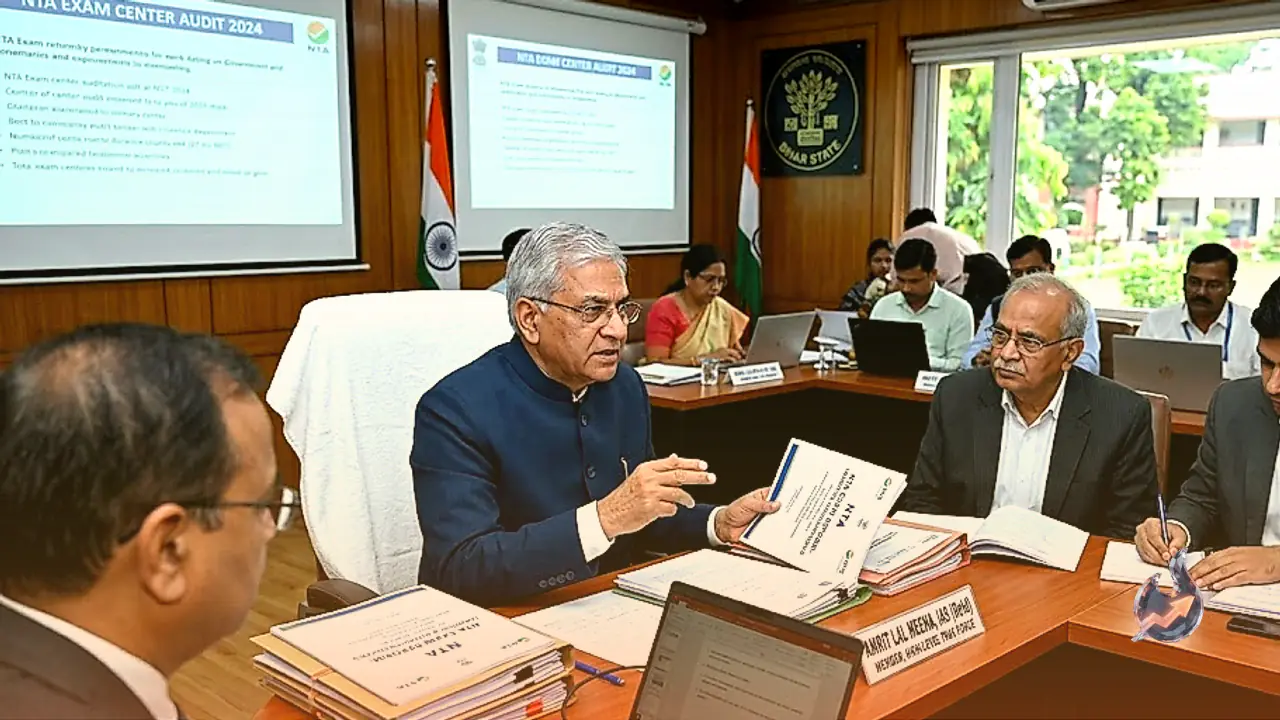
















The Enforcement Directorate (ED) is undergoing a massive operational transformation designed to accelerate its judicial processes and investigation timelines. At the recent 36th QCZO conference held in Bengaluru, the ED Director introduced an ambitious blueprint that seeks to overhaul how financial crime investigations are handled across India. The agency aims to significantly compress the time spent on Prevention of Money Laundering Act (PMLA) cases, shrinking the standard probe duration from four years to just one and a half years. Additionally, the new plan targets the resolution of high-profile trials within a strict window of six to eight months. This operational shift is backed by a substantial 60 percent expansion of the agency's sanctioned workforce, which will rise to 3,256 personnel. The agency is also focusing on physical infrastructure and modern property management, which includes the geo-tagging of seized assets worth over 73,800 crore rupees and constructing dedicated office premises in 39 cities under Project Pravartan Bhavan. This strategic roadmap was discussed in detail during a specialized management and leadership workshop organized at the Indian Institute of Management (IIM) Bengaluru on 13 September.
Strategic Expansion of Cadre and Creation of Specialized Zones
A core pillar of this modernization effort is the restructuring of the agency's cadre, a move that has recently received official approval from the Government of India. The total number of sanctioned posts within the Enforcement Directorate is set to jump from the existing 2,029 to a much larger force of 3,256 personnel, marking a substantial 60 percent increase. This workforce expansion will allow the agency to scale its field operations and handle complex financial intelligence with greater precision.
To streamline these resources, the agency is setting up a highly organized network of territorial and functional units. The plan outlines the establishment of 50 dedicated PMLA zones across the nation. Alongside these money laundering units, five specialized Foreign Exchange Management Act (FEMA) zones will be deployed in major metro hubs, specifically in Delhi, Mumbai, Kolkata, Chennai, and Chandigarh. To support these divisions, the number of active functional units will expand from 131 to 241. The agency has established a target completion date of 1 January 2027 to have this entire organizational structure fully operational.
Accelerating Money Laundering Probes and Trials
In an effort to eliminate long-running delays in judicial and investigative stages, the Enforcement Directorate has designed a fast-track protocol. The primary goal is to reduce the typical lifespan of a PMLA investigation from an average of four years to a maximum of 1.5 years. By cutting down on unnecessary administrative hurdles, the agency hopes to file chargesheets much faster.
To achieve this, zonal heads have been given direct authority to make immediate decisions regarding search operations and enforcement actions, bypassing lengthy consultative loops. Furthermore, every regional zone will identify ten high-profile cases that will be put on an accelerated trial track. The objective is to push these selected cases through the trial phase to a final conviction within six to eight months. To ensure that older investigations do not fall through the cracks, a special monitoring register will be created for cases that have been pending for over ten years, which will be personally reviewed by the respective zone heads every month.
Geo-Tagging of Assets and Project Pravartan Bhavan
The agency is also modernizing its approach to managing attached properties and building out its independent physical infrastructure. Over the years, the agency has successfully managed the restitution of assets worth more than 73,800 crore rupees across 76 different cases. Under the new guidelines, all confirmed attached properties must undergo geo-tagging, constructive possession procedures, and official valuation by government assessors within a strict six-month window.
Simultaneously, the agency is addressing its long-term real estate needs through an initiative known as Project Pravartan Bhavan. The goal is to construct and occupy self-owned, highly secure, and technologically advanced office spaces across 39 cities in India. The final deadline for completing this nationwide infrastructure expansion has been set for 31 March 2029. During the recent conference, officials reviewed the progress of land acquisition and construction across various cities and discussed the deployment of enhanced security protocols for all remaining administrative offices.