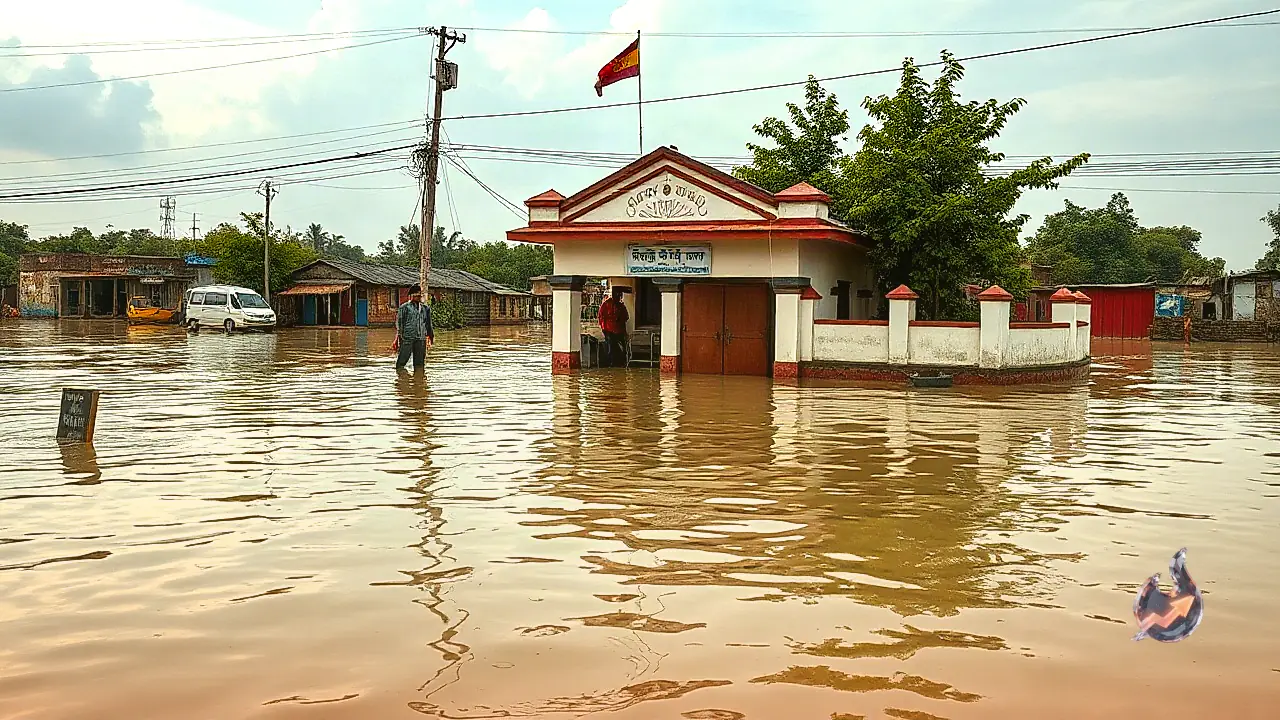























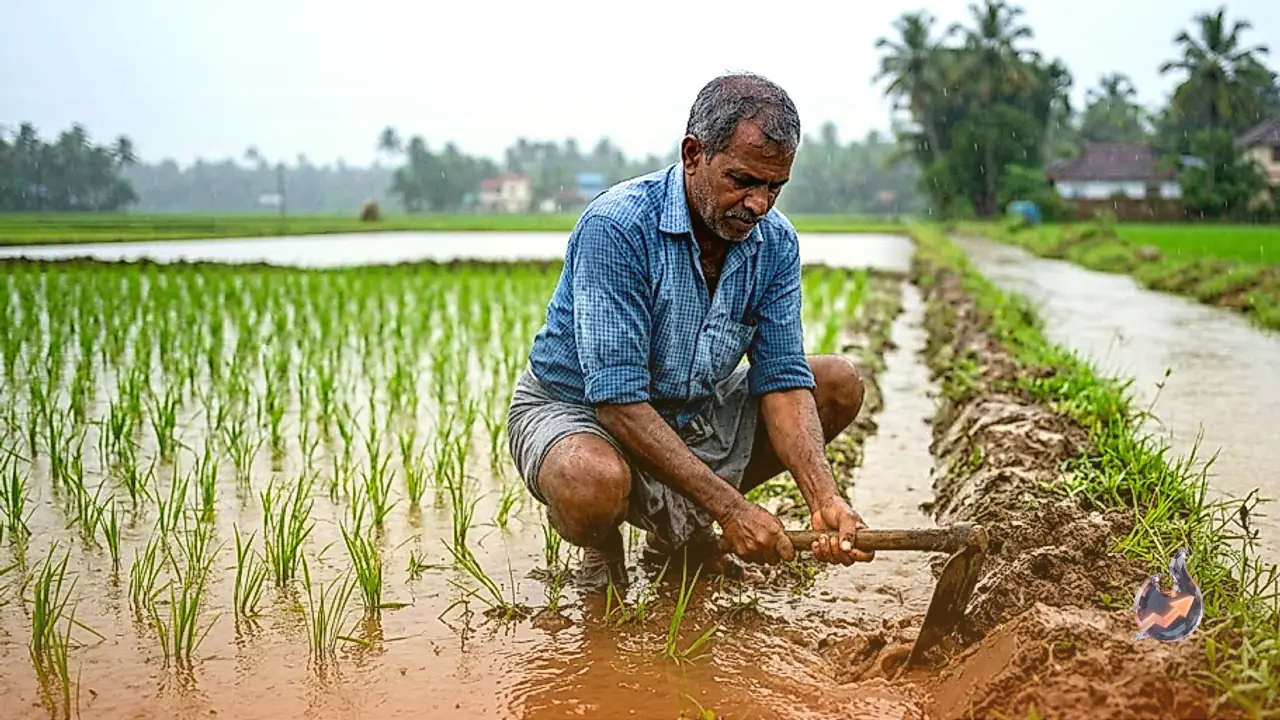

Continuous rainfall during the monsoon season frequently causes severe waterlogging in paddy fields, posing a direct threat to crop health and overall agricultural yield. When excess water remains stagnant in the fields for prolonged periods, the root zones of paddy plants are deprived of essential aeration and oxygen. This oxygen deficiency weakens the plants, making them highly vulnerable to root decay and fungal infections. Implementing proper field management practices immediately after rain can safeguard the crop and protect farmers from financial losses.
Immediate Water Drainage and Bund Reinforcement
The foremost step upon noticing water accumulation in paddy fields is to arrange for prompt drainage. Farmers should construct small field channels or trenches along lower elevations to direct standing water out of the plot. Prolonged standing water prevents roots from absorbing essential soil nutrients. Once the excess water is drained, the soil should be allowed to dry naturally for a brief period before applying any fresh irrigation.
Reinforcing field embankments, commonly known as bunds, is equally vital during heavy rainfall. Sturdy bunds prevent runoff water from adjacent areas from inundating the field. This protective measure benefits not only paddy but also safeguards nearby vegetable patches, pulses, and oilseed crops from waterlogging damage. Timely channel creation and embankment maintenance significantly reduce crop destruction caused by heavy downpours.
Identifying Fungal Infections, Pests, and Disease Symptoms
High moisture levels combined with standing water create ideal conditions for fungal infections and stem rot. Farmers must maintain strict surveillance over their crops during the rainy season. Critical warning signs include the appearance of spots on leaves, yellowing of foliage, rotting at the base of stems, or sudden wilting of plants.
If any of these symptoms manifest, farmers should consult local agricultural extension officers to select appropriate protective sprays. Keeping fields free of weeds is necessary to ensure adequate ventilation between plants and reduce humidity. For fungal management, bio-fungicides such as Trichoderma can be applied, or suitable chemical fungicides can be sprayed based on expert guidance.
Post-Rain Soil Nutrition: Controlled Urea and Potash Application
Heavy rains often leach essential minerals from the soil, impeding plant growth and reducing potential yields. Fertilizer application should take place only after draining excess water and allowing soil moisture to normalize. To address nitrogen deficiencies, urea should be supplied according to soil requirements after expert consultation.
Excessive application of urea must be avoided, as it can cause crops to become top-heavy and lodge, while also increasing susceptibility to pest attacks. Incorporating potash into the fertilization plan helps strengthen plant stems and enhances tolerance against adverse weather conditions. Fertilizer doses should strictly align with soil test recommendations and crop growth stages.
Filing Crop Insurance Claims Following Damage
In cases where torrential rains or natural calamities inflict severe damage on standing paddy crops, farmers can seek financial recovery through crop insurance schemes. The most critical requirement for securing compensation is promptly notifying the insurance company, local agricultural authorities, or designated help centers within the specified timeframe following the disaster. Timely reporting ensures smooth processing of damage assessments and claims.