























Sultanpur district in Uttar Pradesh holds a profound reputation that extends well beyond its modern administrative identity, resting upon thousands of years of historical continuity and spiritual heritage. Flowing right through the geographic core of this historic territory, the Gomti River divides the landscape into two distinct halves. Over centuries of human habitation, this vital waterway has served not merely as a geographic divider, but as the foundational lifeline and silent witness to the evolution of local civilization. Ancient religious scriptures and regional folklore contain abundant references to the river, commemorating it across different historical epochs by venerable names such as Dhenumati, Gomal, and Adiganga.
Scriptural Reverence and the Heritage of Adiganga
Within several traditional religious texts and customary observances, the Gomti is reverently hailed as Adiganga, a title reflecting its immense antiquity and sacred stature in northern India. Senior journalist Vikram Brijendra Singh emphasizes that this designation honors the river's age-old spiritual prominence. Traversing through multiple key districts across Uttar Pradesh, the stream winds through Lakhimpur Kheri, Sitapur, the state capital Lucknow, Sultanpur, and Jaunpur before pressing further downstream. Along these extensive banks, organized human habitations have prospered for centuries, with rural farming, agrarian livelihoods, and day-to-day survival tied directly to the rhythms of the river.
Sultanpur's Geographic Divide and Sacred Landmarks
By traversing the precise center of Sultanpur city, the Gomti forms an indispensable element of the region's geographical identity and social landscape. The river cuts across the urban expanse, effectively parting the township into two segments while nourishing its adjoining historic quarters. Ancient settlements and revered pilgrimage sites situated along its embankments underscore the waterbody's role as a lifelong partner in Sultanpur's civilizational growth. Revered landmarks such as Sitakund, Dhopap, and numerous related traditional pilgrimage spots elevate the sanctity of the river locally, drawing generations of devotees to its holy waters for ritual cleansing and auspicious gatherings.
Civilizational Growth, Commerce, and Contemporary Ecological Challenges
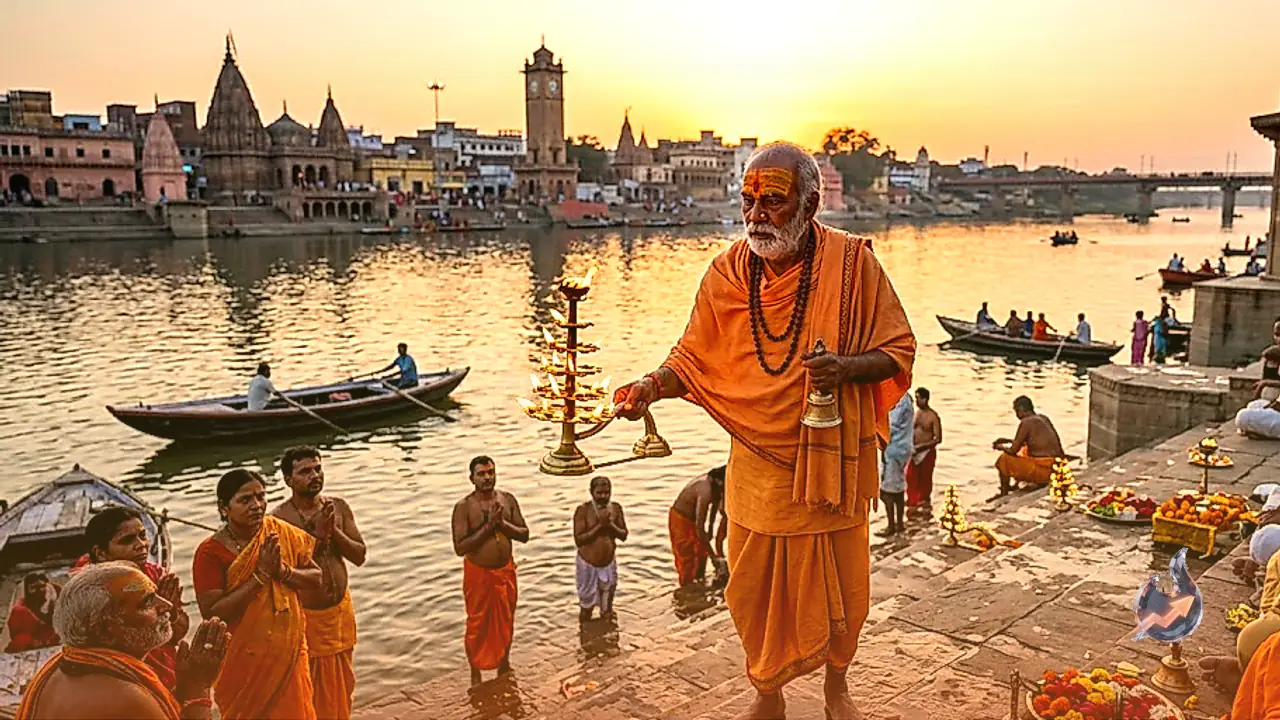
Over the centuries, the shores of the Gomti charted a steady journey from simple pastoral settlements to vibrant rural villages, thriving commercial markets, and active trade routes. From supplying critical irrigation water for nearby farm fields to anchoring major cultural and religious festivities, the river profoundly influenced daily life in the basin. Even today, the riverfront ghats in Sultanpur remain bustling centers of worship, prayer ceremonies, and community traditions. Nevertheless, the waterway currently faces severe modern hazards, most notably mounting industrial and domestic pollution alongside unchecked physical encroachment along its banks. Preserving the Gomti requires recognizing it not as an ordinary canal of water, but as an irreplaceable civilizational heirloom intricately linked with the history, spiritual devotion, and living heritage of Sultanpur.