
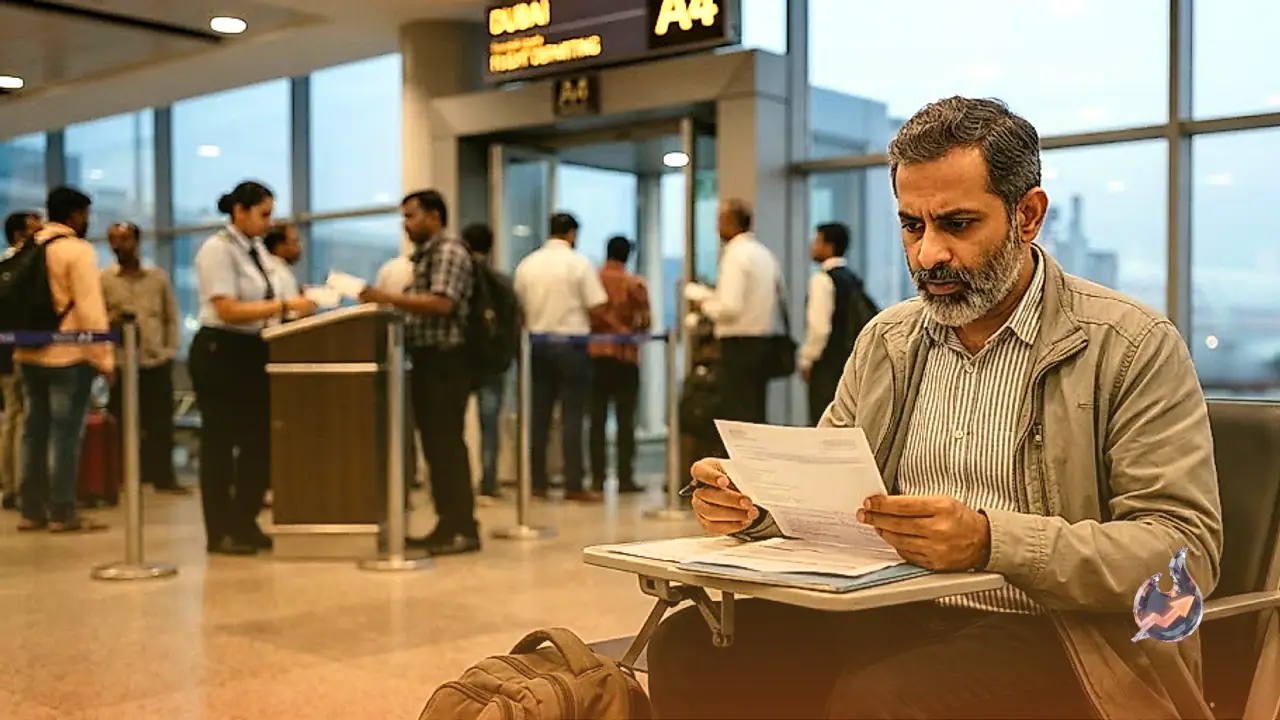





















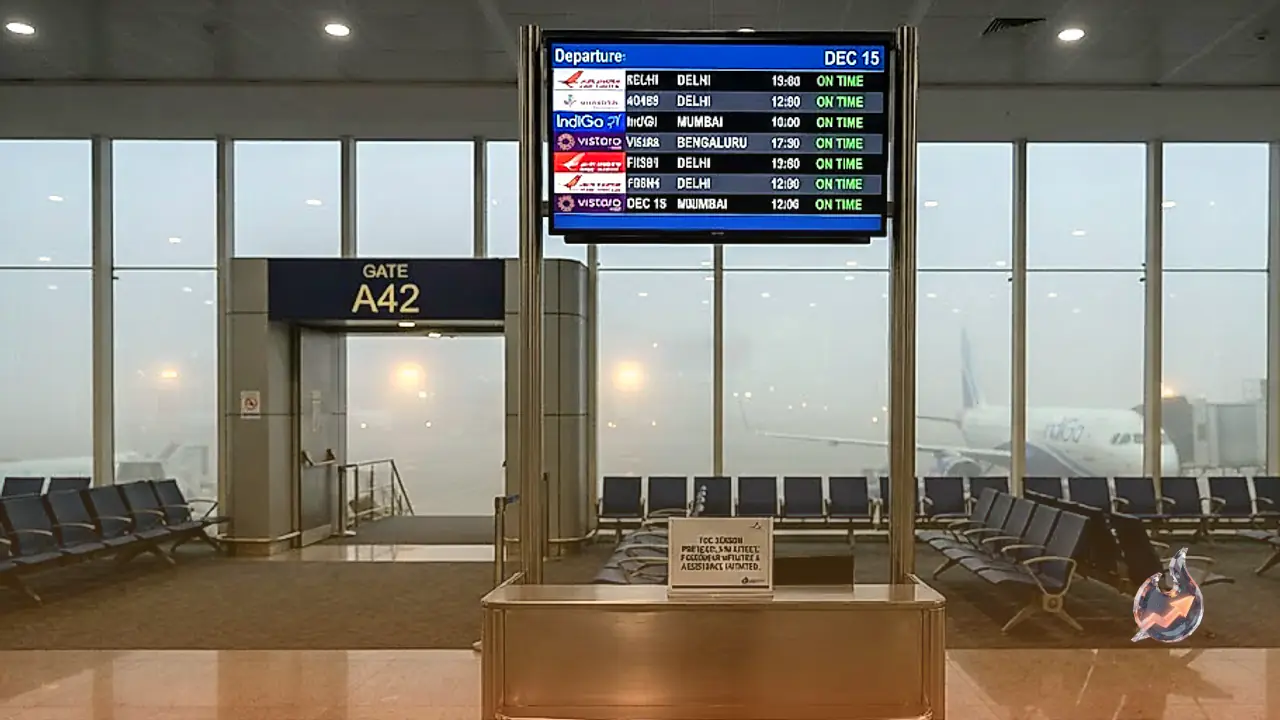

Aviation authorities are taking proactive steps to maintain seamless flight operations at fog-affected airports across the country during the upcoming winter season. Poor visibility during winter frequently leads to flight delays, cancellations, and schedule alterations, causing significant hardship for travelers. This year, the government has placed a primary focus on mitigating these challenges and ensuring passengers receive accurate, timely information.
First Fog Preparedness Meeting Held
As part of these preparations, the Civil Aviation Ministry convened the first fog preparedness meeting for the 2026-27 winter season on October 27. Chaired by Civil Aviation Ministry Secretary Sameer Kumar Sinha, the high-level meeting brought together officials from the Directorate General of Civil Aviation (DGCA), Airports Authority of India (AAI), Bureau of Civil Aviation Security (BCAS), Central Industrial Security Force (CISF), India Meteorological Department (IMD), Delhi Airport, representatives from other fog-impacted airports, and various airline operators.
Meteorological officials informed the gathering during the meeting that the fog season is projected to last from December 15, 2026, to February 15, 2027. Consequently, strong emphasis was placed on making comprehensive advance arrangements to keep flight operations running smoothly at all aerodromes.
Zero Compromise on Flight Safety
The government made it explicitly clear that there will be no compromise on flight safety standards during periods of dense fog. Furthermore, all operational agencies must work in close coordination to minimize traveler distress in the event of flight delays, cancellations, or rescheduling.
Airlines have been instructed to ensure that passengers are notified well in advance if a flight is delayed, canceled, or experiences a change in departure time. Operators were directed to utilize SMS, mobile applications, and email notifications for this purpose.
Real-Time Status Updates for Travelers
The core objective of this directive is to allow passengers to check the latest status of their flights before departing for the airport. This prevents travelers from arriving at terminals without correct information and being forced to endure hours of unproductive waiting.
Airlines were also asked to guarantee the availability of qualified flight crews and compliant aircraft capable of operating under low-visibility conditions. Flight schedules must be formulated realistically, taking actual ground conditions into account so timely decisions can be executed when needed.
Comprehensive Prep Across Runways and ATC
The AAI and airport operators received strict directives to verify the operational readiness of critical navigation aids, including Instrument Landing Systems (ILS) and Runway Visual Range (RVR) equipment. These systems provide vital guidance to pilots during low-visibility landings. Additionally, the discussions highlighted the importance of airside safety, adequate terminal space, and robust coordination among all airport operations.
The DGCA has been tasked with monitoring aircraft and crew preparedness, enforcing regulatory compliance, and inspecting airline passenger facilitation arrangements. Meanwhile, the IMD was instructed to issue timely weather forecasts and meteorological updates. Air Traffic Control (ATC) and air navigation service providers were similarly advised to exercise extreme caution regarding aircraft movement safety, low-visibility procedures, and traffic management during foggy conditions.
Assistance Measures for Extended Delays
The meeting also addressed protocols for assisting passengers in the event of extended flight delays or cancellations. Airlines were ordered to deploy adequate staff at check-in counters, help desks, and customer care touchpoints. Personnel stationed at airport helpline desks must possess accurate flight status information and be equipped to answer passenger inquiries and provide active support.
Ground handlers were directed to maintain sufficient staffing levels, optimize baggage management protocols, and accelerate aircraft turnaround times. The respective roles of the BCAS and CISF were also reviewed, with instructions issued to ensure safe and orderly passenger movement if travelers are required to re-enter terminals or undergo re-boarding procedures due to fog disruptions.