

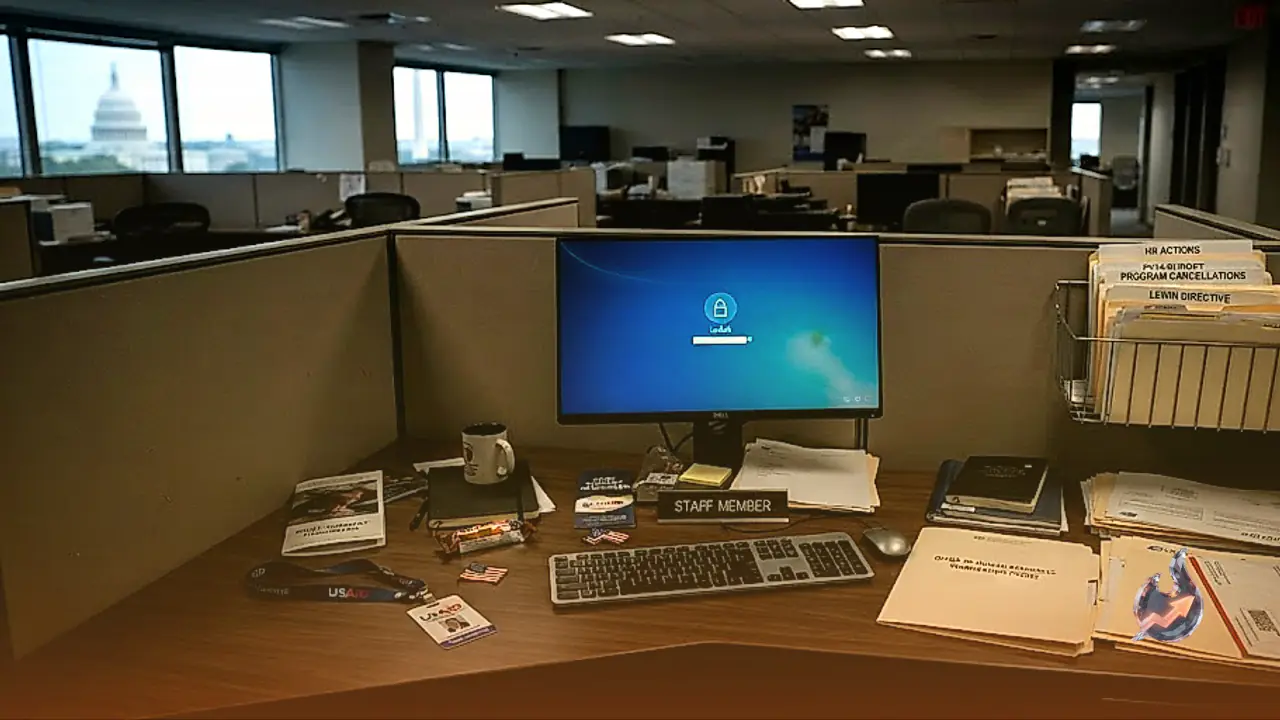



















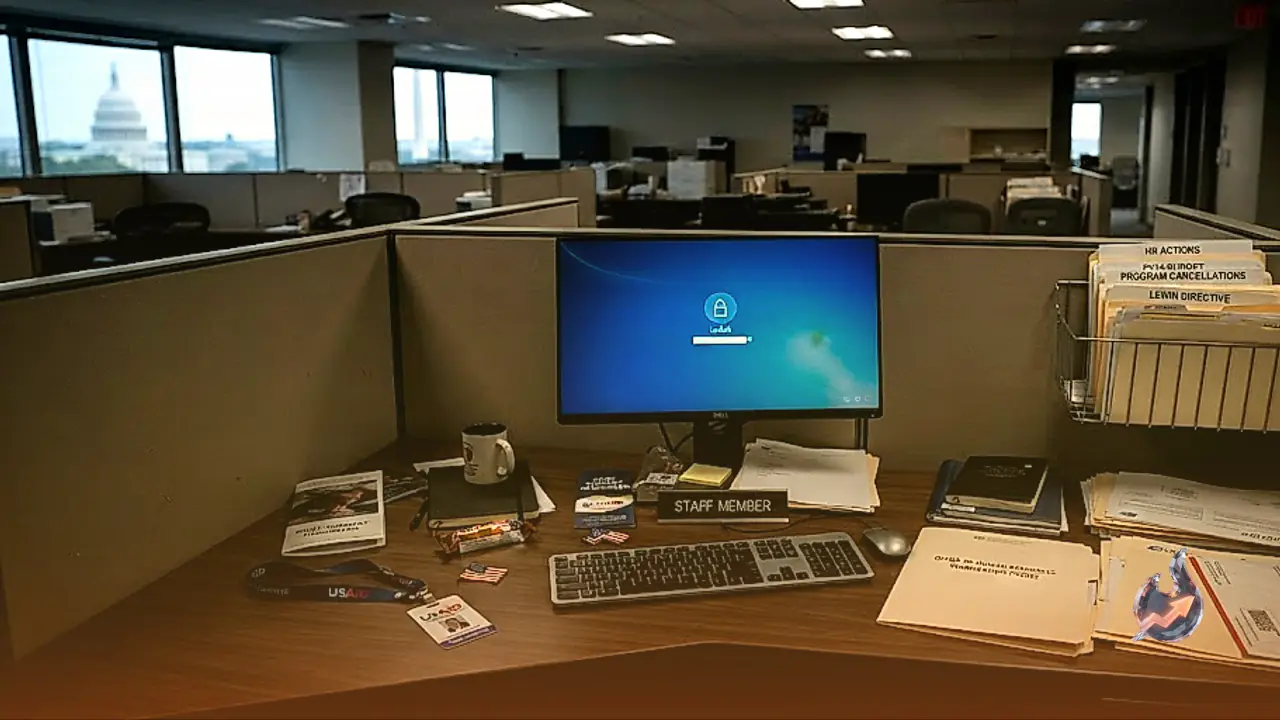

For at least two months, senior staff at USAID operated without knowing how Jeremy Lewin, who arrived from the General Services Administration, suddenly assumed top leadership powers. Internal emails show that between March 18 and April 4, as Lewin canceled aid programs and terminated thousands of employees, he had not signed the legally required paperwork to begin working at the agency.
Missing Onboarding and Security Records
The appointment was so opaque that USAID security was unable to issue an ID card to Lewin because there were no employment records in the system. While Lewin currently serves as the director of policy planning at the State Department, he stated that he was detailed and dual-appointed to USAID by Secretary Rubio in accordance with established authorities and counsel advice.
Experts note that while Lewin performed duties under titles handed down by Rubio, questions remain regarding his legal authority. These questions form the core of active lawsuits targeting DOGE and the Trump administration over federal workforce reductions and agency dismantlings.
Court Filings and Timeline of Appointments
According to court documents, Lewin began serving as a senior adviser on January 28, 2025. On March 18, Rubio delegated deputy administrator powers to Lewin. Emails show that White House liaison Adam Korzeniewski notified HR on March 20 to begin onboarding, but by March 26, Lewin had still not accepted the job offer or filed his standard pre-employment background screening form, known as the OF-306.
A human resources executive noted that Lewin failed to complete tasks required for the security reciprocity process. On March 28, Lewin signed letters terminating remaining staff and liquidating overseas missions while HR repeatedly followed up for compliance.
Accountability and Legal Questions
A USAID official told Korzeniewski that the security office had no record of Lewin as an employee. Natalia Machuca, a longtime agency veteran, stated that without onboarding, individuals cannot even access computers or badges. While Lewin maintained that he was a regular government employee with a valid security clearance through the State Department, a top HR executive stated that delegation documents were not seen until late April 2025.
Legal scholars have raised concerns. Don Moynihan, a public policy professor at the University of Michigan, highlighted the accountability issues surrounding actors who make consequential decisions without standard confirmation processes. Lewin subsequently provided documents signed by Rubio, including an appointment and compensation waiver citing 22 U.S.C. § 2385(b).
Legal opinions remain divided. Brian Feinstein of the Wharton School suggested the appointment appeared consistent with specific personnel laws, whereas David A. Super of Georgetown University argued that failing to complete onboarding violates federal regulations regarding Senate-confirmed positions. Nina Mendelson added that the actions appeared to attempt to bypass the Federal Vacancies Reform Act.
Ongoing Litigation and Future Implications
The appointments occurred amid legal challenges, including a preliminary injunction secured by employees in Maryland District Court. Although the Fourth Circuit Court of Appeals granted a stay enabling the terminations, litigation continues. Attorney Kevin Byrnes representing affected workers argues that failing to complete mandatory onboarding exposes Lewin to potential personal liability.