




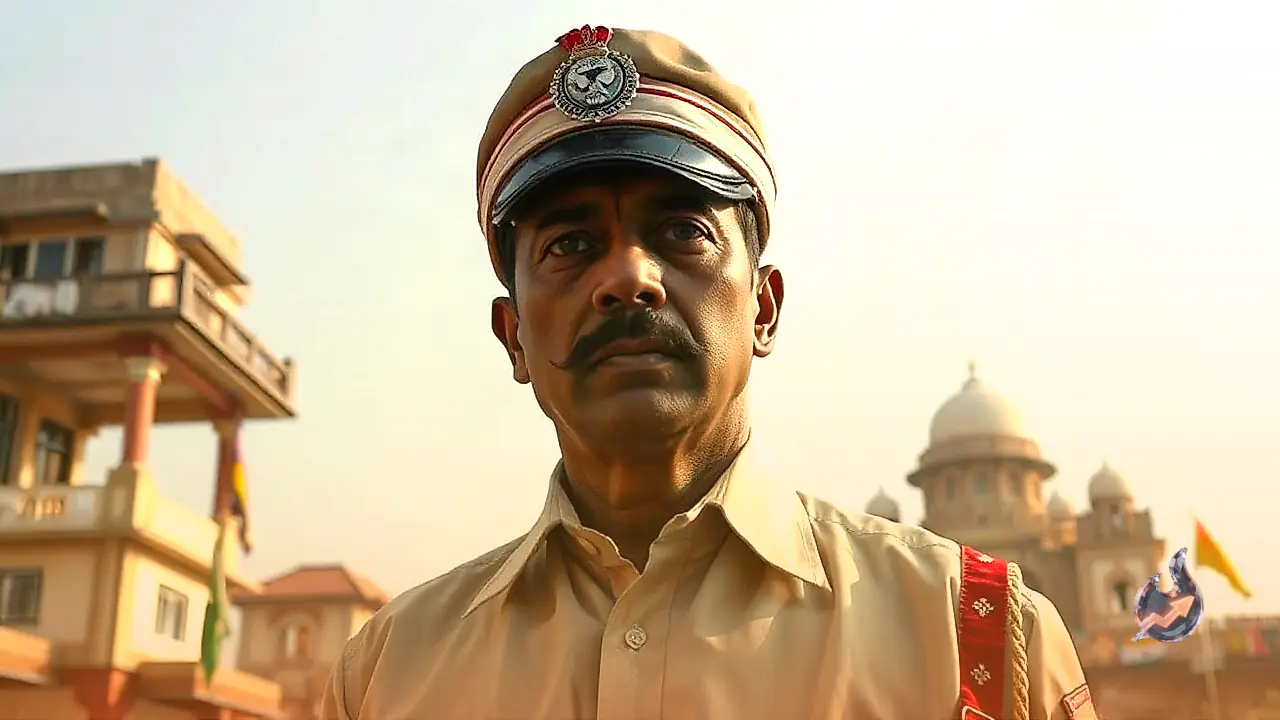















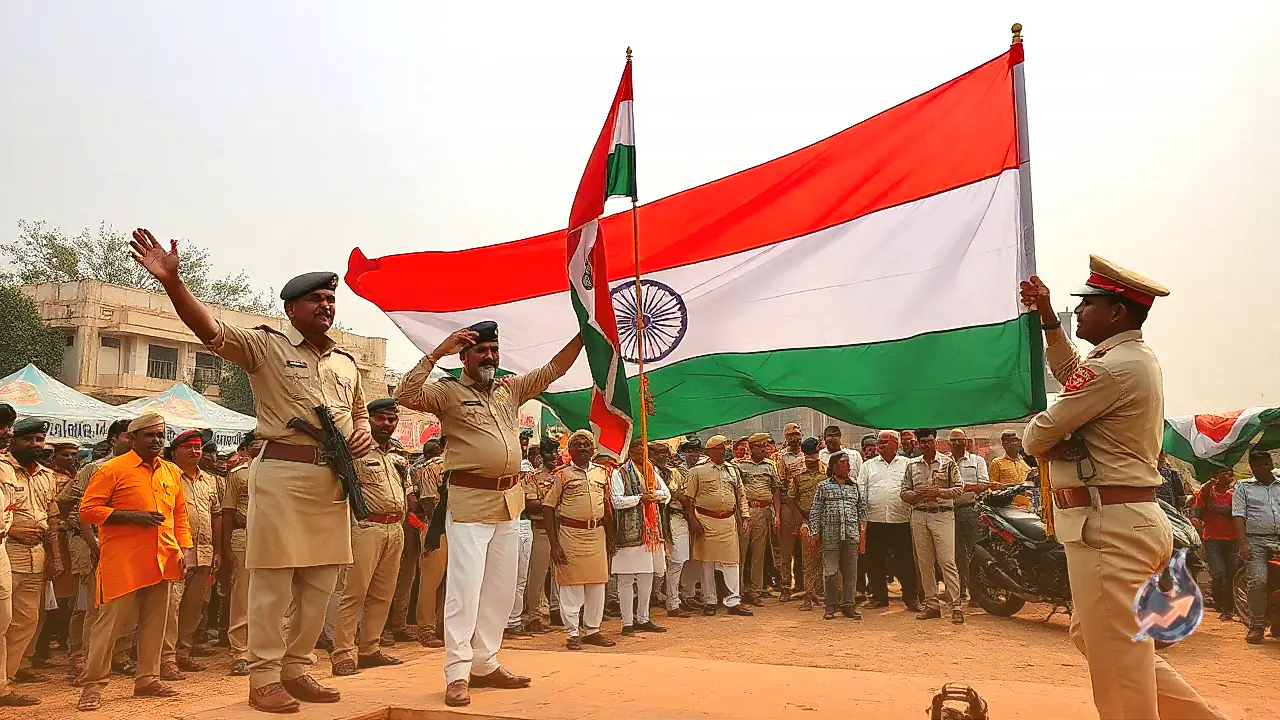

In the dense forested belts of Balaghat district, where insurgent groups dictated terms for nearly three and a half decades, a profound transformation is unfolding ahead of Independence Day celebrations. Former Naxalites who spent years engaged in armed conflict against the state recently walked through remote tribal hamlets carrying the Indian national flag, singing the national anthem, and appealing to local residents to place their faith in democratic governance. Organized by local police, the special Tiranga Yatra brought surrendered insurgents back to the very valleys where their presence once evoked widespread dread, marking a decisive shift from violent ideology toward constitutional integration.
A Symbolic Journey Through Former Conflict Zones
The patriotic rally flagged off from Balaghat city and traversed remote rural terrain, proceeding through Bodalhara before reaching the native village of Deepak alias Sudhakar Uikey, a former insurgent. The march ultimately culminated with a formal gathering at Harratola village, after which the participating surrendered rebels returned to their respective homes. Throughout the procession, senior law enforcement officials including Inspector General Lalit Shakyawar, Deputy Inspector General Vineet Kumar Jain, and Superintendent of Police Aditya Mishra marched alongside the former insurgents.
Valleys that once echoed with gunfire were filled with patriotic slogans such as "Bharat Mata ki Jai" and "Amar Shahidon ki Jai". For local villagers, seeing former insurgents marching side by side with security forces presented a striking visual contrast to the narrative previously spread by insurgent groups, which had long portrayed law enforcement as adversaries of tribal communities and claimed that the state marginalized rural populations.
Overcoming Decades of Intimidation in Rural Panchayats
The transformation highlights a stark departure from the historical reality of the region. A former Sarpanch of Dadaksa village recalled that local civic leaders were previously unable to hoist the national flag on patriotic occasions such as 15 August and 26 January. Prior to these national observances, insurgent cadres would routinely issue threats to village heads, warning of severe repercussions if the tricolor was unfurled.
Insurgent groups actively boycotted national celebrations, describing independence as false and asserting that the Indian Constitution was designed solely for an oppressive elite. Villagers were instructed to hoist black flags in protest, a mandate enforced directly by insurgents who displayed black banners themselves. However, as security force deployments expanded across the region, local leaders gradually lost their fear of insurgent threats and began openly unfurling the national flag at local administrative offices.
Rehabilitation, Education, and Constitutional Resolution
Addressing the gathering during the initiative, former insurgent Sodhi shared reflections on transitioning into mainstream society. Sodhi stated, "We have received a new life after joining the mainstream under the rehabilitation policy." He expressed immense happiness at seeing local children present, emphasizing that the youth represent the future of the region and that education is essential for societal advancement.
Delivering a message to rural communities, Sodhi emphasized that grievances surrounding land, water, and forests do not require armed violence or confrontation. He underscored that any problem can be resolved effectively while operating within the boundaries of the law and maintaining faith in the constitution. Police officials emphasized that the primary goal of the initiative was to foster patriotic values among children and villagers while building mutual trust between mainstreamed individuals and the general public.
Building Community Trust and Eradicating Residual Ill Will
Inspector General Lalit Shakyawar explained that the ideology of surrendered insurgents is undergoing a fundamental evolution. He noted that beyond formal surrender, it is vital for former insurgents to interact freely with ordinary citizens in social settings. The initiative was designed to ensure that no lingering hostility or apprehension remains between former insurgents and village residents, establishing a foundation for long term social cohesion in Balaghat.