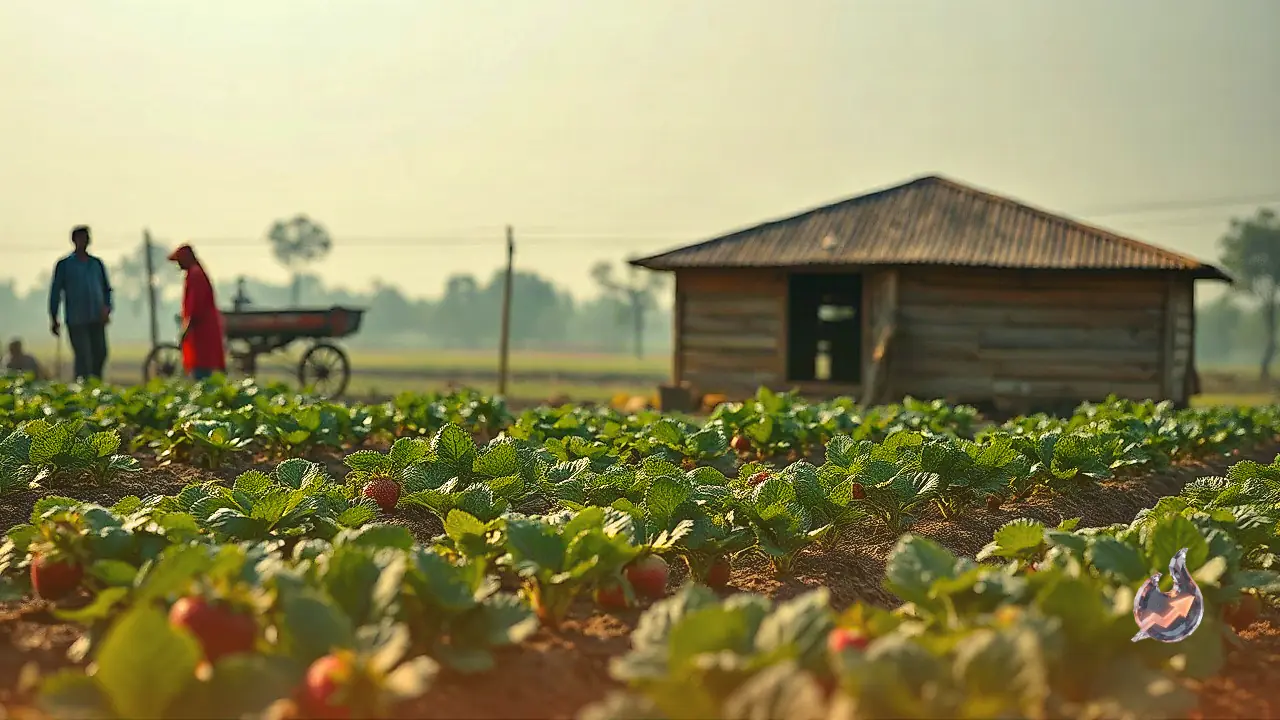
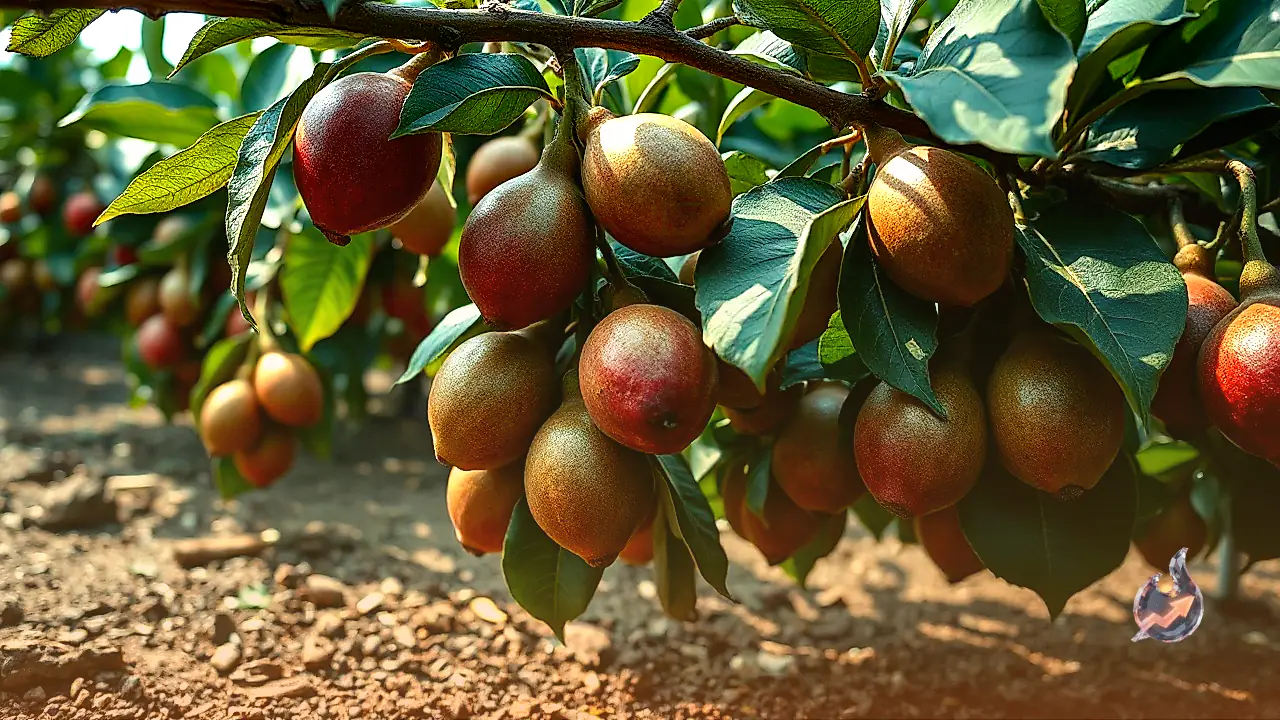























Cultivating commercial guava orchards has emerged as a promising income source for growers opting for modern cultivars like Red Diamond and Taiwanese Pink. The Japanese Red Diamond variant stands out because it begins bearing fruit within a mere 6 months from establishment, delivering two full harvests across a single year. Similarly, the Taiwanese Pink variety attracts premium demand due to its substantial fruit size, striking visual appeal, and sweet profile, fetching market rates of up to 100 rupees per kilogram. Growers seeking established domestic options continue to rely on cultivars such as Prayagraj Safeda and Sardar Guava, technically classified as Lucknow-49, which are favored widely for their sweetness and rich pulp.
Preparing Field Pits with Balanced Nutrients
Creating an enduring orchard requires meticulous ground preparation well before saplings touch the soil. Excavating pits measuring between 1 and 2 feet in length, width, and depth provides adequate room for young root networks to expand. These cavities need to be enriched with thoroughly decomposed farmyard manure to supply primary organic matter. Incorporating biological protection is equally vital, which involves mixing the entomopathogenic fungus Beauveria bassiana along with the biocontrol agent Trichoderma into the excavated soil to neutralize latent pathogens and soil-borne insects before planting commences.
Managing Destructive Pests and Chemical Options
Once fruit set occurs, orchard health faces its most serious hurdle from fruit flies, which bore small apertures into young fruit and deposit larvae inside. The crop is also vulnerable to localized skin spotting diseases that lower commercial appeal. When tackling fruit borer caterpillars, growers often turn to chemical formulations such as Malathion 50 percent EC and Emamectin Benzoate 5 percent SG. While these synthetic sprays suppress pest numbers effectively, caution is necessary because chemical residues can alter the natural flavor profile and harvest quality.
Organic Control Measures and Protective Fruit Bagging
To preserve natural sweetness without relying exclusively on harsh chemicals, non-synthetic pest control strategies offer safer alternatives. Deploying methyl eugenol pheromone traps across the orchard disrupts fruit fly populations efficiently. Natural sprays formulated from cold-pressed neem oil, crushed garlic, and chili extract provide a potent repellent barrier against sap-sucking and chewing pests. Sanitation is critical, meaning any dropped or blemished fruit must be cleared and disposed of promptly to prevent re-infestation cycles. Furthermore, covering immature fruit with specialized protective covers prevents physical pest contact, ensuring a spotless, polished exterior that commands top prices in competitive produce markets.