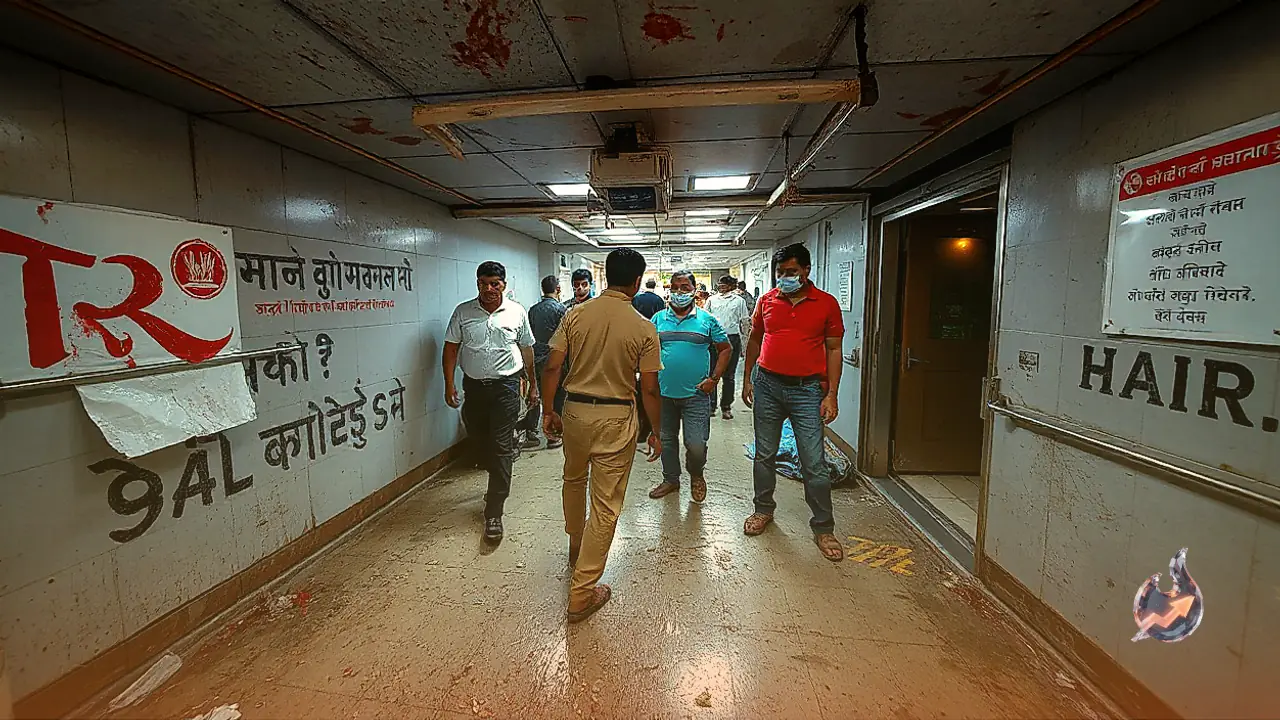




















Healthcare services and patient security at the autonomous state medical college-affiliated hospital in Ghazipur, Uttar Pradesh, have once again come under intense scrutiny. While tall claims are routinely made regarding the provision of superior medical care to patients arriving at the facility, ground realities tell a different story. Persistent complaints regarding inadequate security protocols, malfunctioning diagnostic equipment, and avoidable hardships faced by patients have created an atmosphere of growing public concern.
Patient Fall Incident Sends Shockwaves Through the Facility
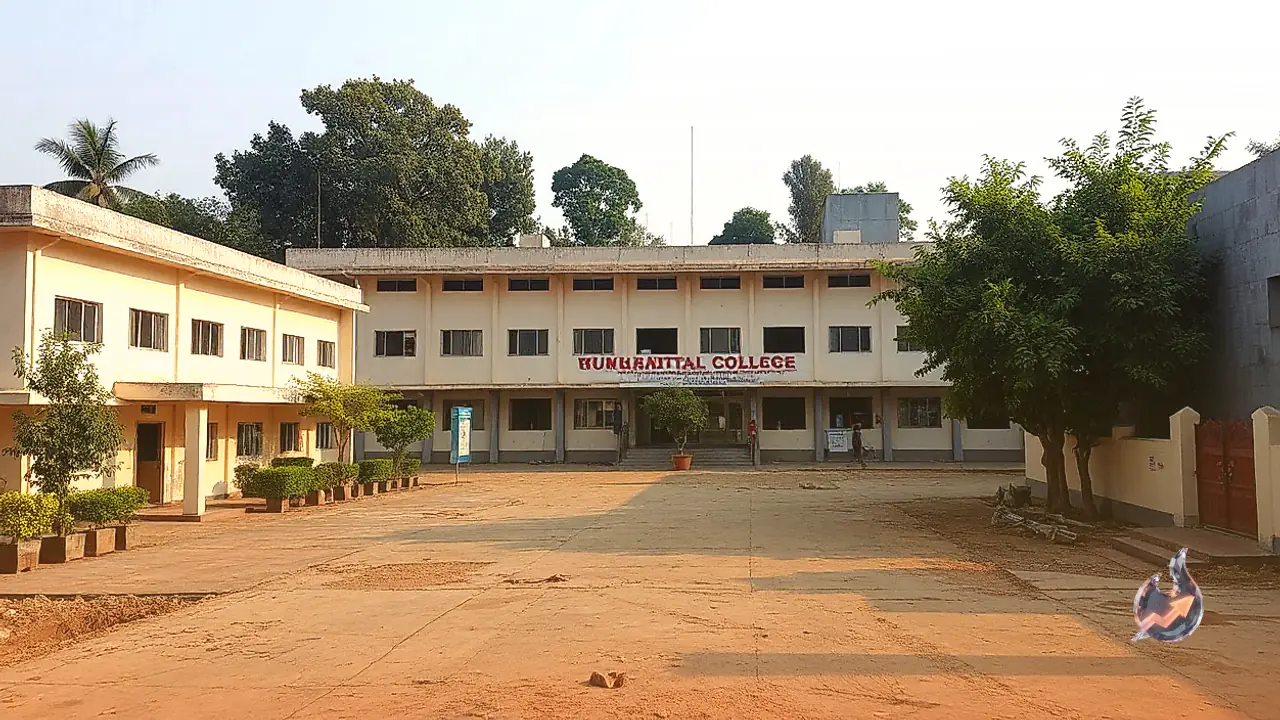
The controversy intensified following an incident on October 21, when a patient suffered a fall inside a chamber located on the third floor of the Maharshi Vishwamitra Autonomous State Medical College-affiliated hospital. Ever since this accident, local social activists and concerned citizens have openly questioned the overall administrative efficiency of the hospital. Observers point out that while official announcements regarding upgraded facilities are frequent, visible safety measures to protect vulnerable patients inside the building remain conspicuously absent.
Concerns Raised Over Lapses in Monitoring Systems
Voicing sharp criticism over the October 21 incident, social activist Deepak Upadhyay pointed out severe loopholes in the hospital's monitoring mechanisms. He asserted that ensuring patient safety cannot be treated as the isolated duty of any single low-level employee; rather, it is the collective responsibility of the entire administrative hierarchy. Upadhyay argued that sporadic, one-off inspections by officials do little to safeguard patients. Continuous surveillance across all wings and floors of the hospital is essential to track patient movement and prevent dangerous accidents.
Allegations of MRI Facility Shutting Down Immediately After Inauguration
The availability of advanced diagnostic machinery within the hospital has also sparked fierce debate. Social activist Sudhanshu Tiwari alleged that an MRI testing facility was recently inaugurated with much fanfare by the deputy chief minister, but shockingly, the service was abruptly shut down the very next day. Highlighting this failure, Tiwari accused the administration of orchestrating photo-ops for new launches while depriving actual patients of any real benefits, further alleging corrupt practices in the management of hospital resources.
Endless Delays in Registration and Sample Collection Plaguing Patients
Ordinary patients visiting the outpatient departments face grueling delays at every single step of their hospital visit. Deepak Upadhyay highlighted the immense confusion experienced by visitors, particularly those arriving from remote rural areas who struggle to locate the correct medical departments or wards. Standing in long queues just to get an OPD slip made consumes valuable hours. Furthermore, patients are subjected to agonizing wait times for submitting blood samples and eventually collecting their diagnostic reports.
Navigating different locations across the sprawling campus for separate tests and consultations only worsens the physical toll on ailing individuals. Activists have strongly emphasized the urgent requirement for clearly visible directional signboards, dedicated help desks with staff to guide visitors, and a streamlined digital or paper workflow to simplify the entire testing process.
Disturbing Allegations Regarding Incorrect Surgical and Orthopedic Treatments
Perhaps the most alarming grievance involves allegations of medical negligence during actual treatments. Deepak Upadhyay brought forward complaints regarding patients allegedly receiving treatment on the wrong limb or incorrect leg. Instances where a patient requiring attention on the right leg is reportedly treated on the left, or where fracture care goes grievously wrong, have caused widespread alarm. However, establishing the veracity of such grave accusations requires a thorough, independent review of the concerned patient medical files, testimonies from the attending physicians, and a formal response from the hospital administration. Only a transparent inquiry can ascertain whether these constituted actual procedural blunders or stemmed from external miscommunications.
Urgent Need for Strict Administrative Accountability
The October 21 mishap, combined with a barrage of complaints from activists, has laid bare systemic deficiencies in patient safety, diagnostic availability, staff supervision, and directional guidance at the Ghazipur facility. The core question remains: what concrete measures is the hospital administration taking to guarantee foolproof security, operationalize stalled testing units, and simplify patient care pathways? A clear picture will only emerge once the hospital authorities officially respond to these allegations and tangible improvements become visible on the ground.