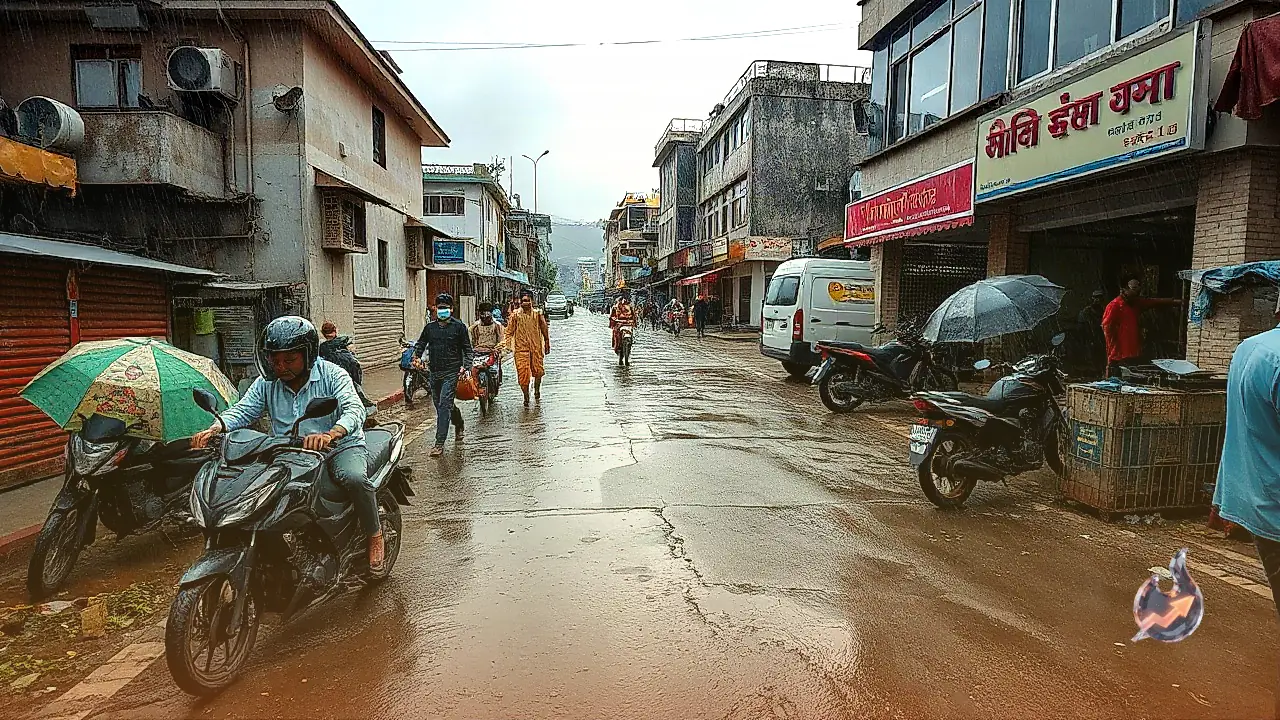























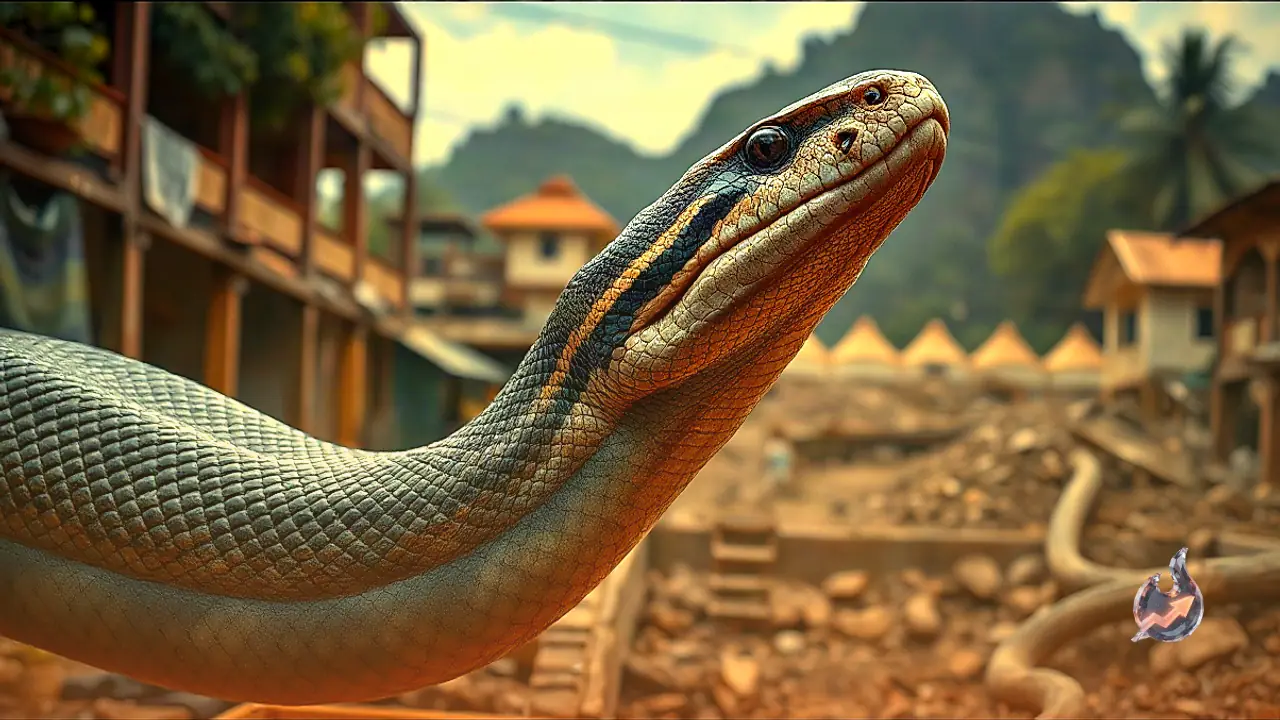

Two separate python sightings, one in Chhattisgarh and the other in Odisha, sent local residents into a panic this past week, even though neither snake ended up hurting anyone. In Chhattisgarh's Dongargarh town, a python measuring roughly 10 feet was spotted, while in Godaguda village of Odisha's Malkangiri district, a 9 foot python weighing close to 20 kilograms was found inside a house. Both snakes were safely rescued, but the incidents have once again raised questions about what the Indian rock python actually is, how large it can grow, and whether it poses any real danger to humans.
How the python turned up in Godaguda village
The Malkangiri case has an odd backstory. A teenager in Godaguda village who kept chickens and ducks at home had noticed one or two ducks going missing every day for a while, and he could not figure out why. On Friday morning, when yet another duck disappeared, he began searching every corner of the house to find it. That search is when he spotted a large python coiled up inside the house, a sight that left his entire family shaken. They immediately alerted their neighbours and got in touch with a snake helpline. Within a short time, a homeguard associated with the helpline arrived and carefully captured the python. Once it was confirmed to be healthy, forest department officials had it released into a nearby forest.
What exactly is an Indian rock python
Commonly called an ajgar in Hindi, the Indian rock python is a large, non venomous snake found across the Indian subcontinent. Its scientific name is Python molurus. The species typically thrives in dense forests, marshy patches and rocky ravines, and its range stretches across much of the country, from the Western Ghats to the forests of West Bengal, Jharkhand, Assam and Gujarat, as well as several pockets of central India.
How big and heavy can it get
An adult Indian rock python usually measures between 8 and 12 feet, or about 2.4 to 3 metres in length, though some individuals have been recorded stretching to 15 or even 20 feet. In terms of weight, a typical adult weighs between 30 and 52 kilograms, though exceptionally large specimens have been recorded weighing as much as 90 kilograms.
What happens if it bites
Because the species carries no venom, a bite does not release any toxin into the bloodstream. However, its mouth is lined with several small, backward curving teeth that can tear deep wounds and cause sharp pain. Bacteria present in the snake's saliva can also raise the risk of infection or tetanus in the wound, which is why prompt medical attention is recommended after a bite.
Is the Indian rock python actually dangerous
By nature, this snake is slow moving and rather timid, and it does not view humans as prey. It turns aggressive only if it is provoked, accidentally stepped on, or senses a threat to its own life. Even so, people are advised to keep a safe distance from especially large specimens, because if one wraps itself tightly around a person, the sheer force of its coils can fracture bones or cut off breathing. Instead of biting down on prey such as rats, poultry, rabbits, jackals or small livestock, the python subdues them by constricting its powerful body around them before swallowing them whole.
What Indian law says about the species
The Indian rock python enjoys full legal protection in the country. It is listed under Schedule I of the Wildlife (Protection) Act, 1972, which makes killing or harming the species a serious, punishable offence. That is precisely why, in both the Dongargarh and Godaguda cases, residents chose to call in a helpline and the forest department instead of harming the snake themselves.