
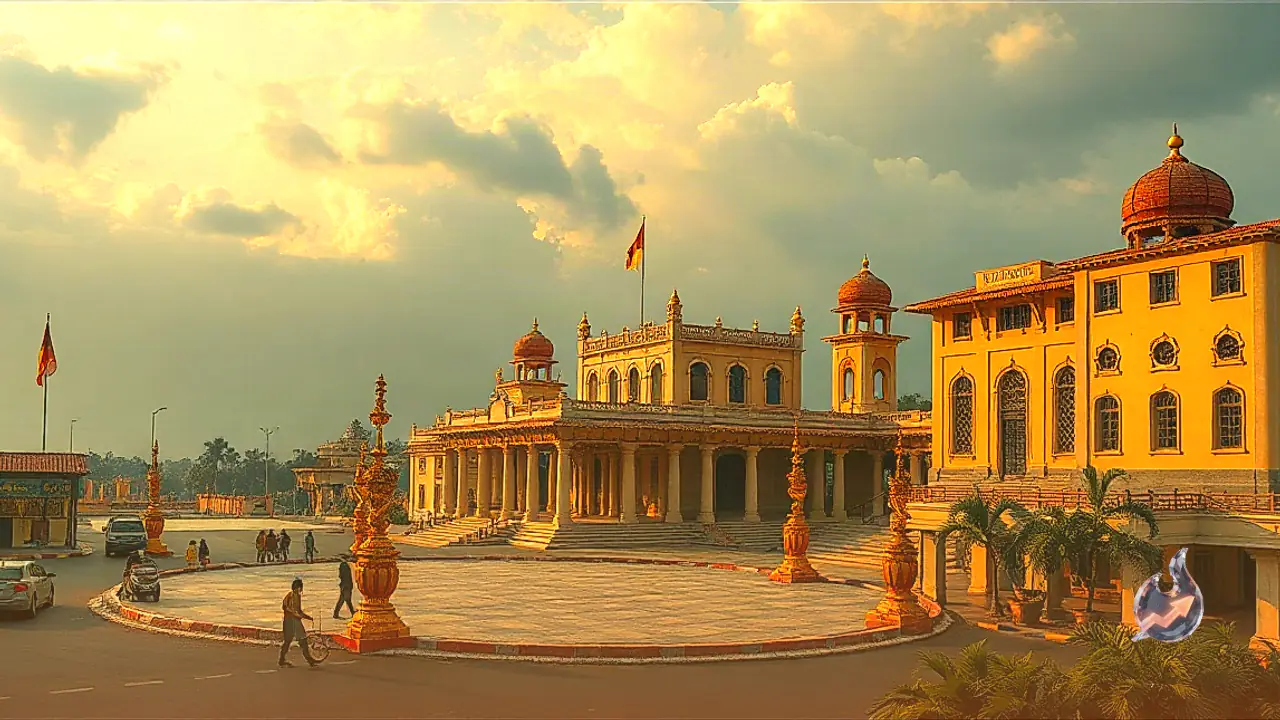
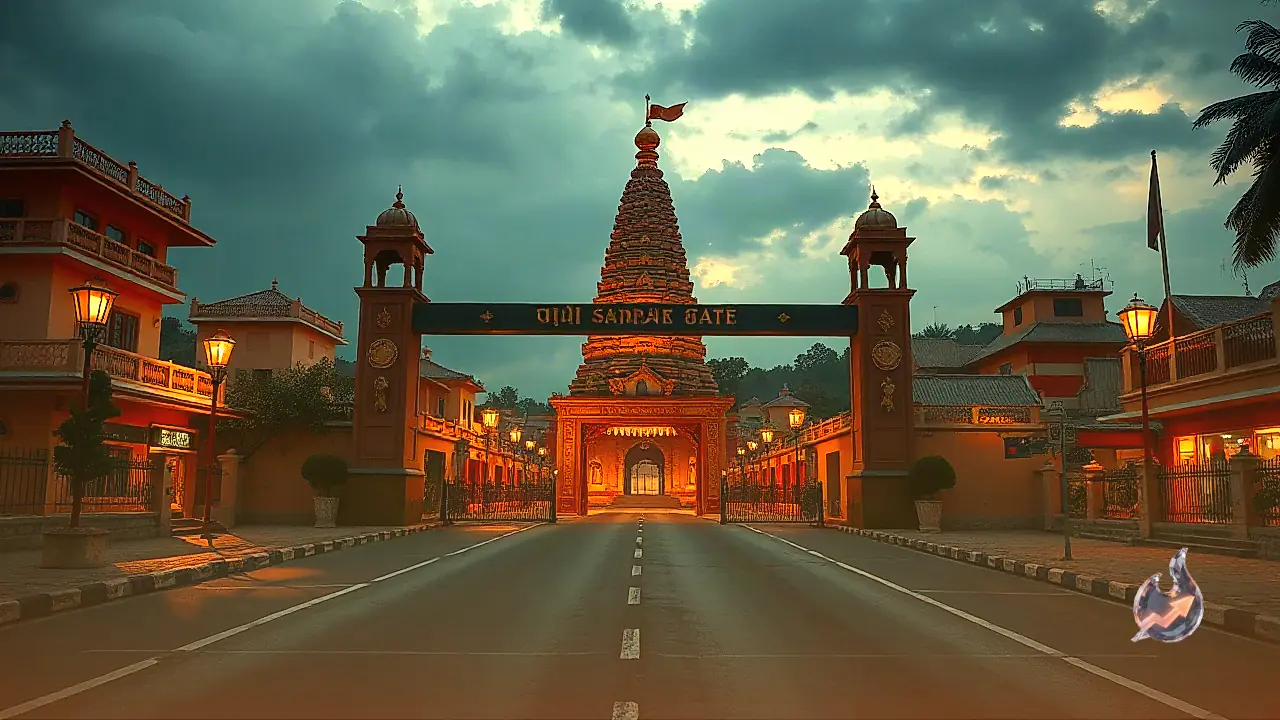
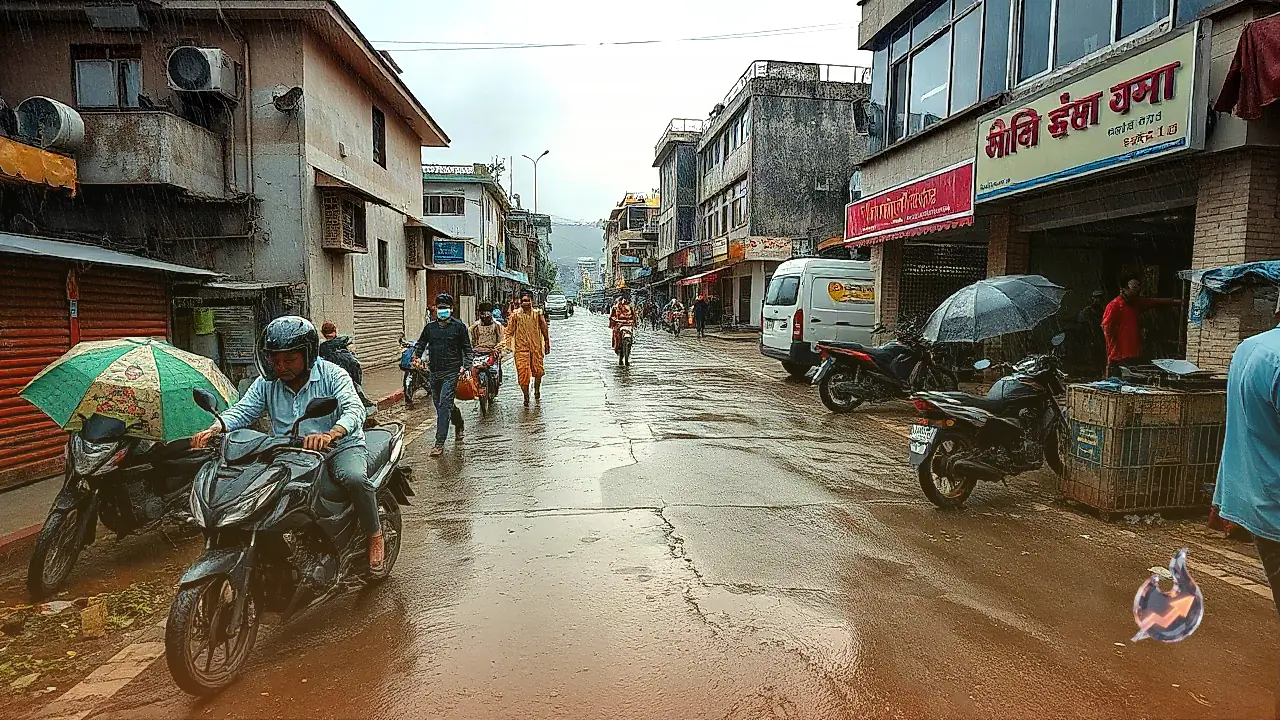
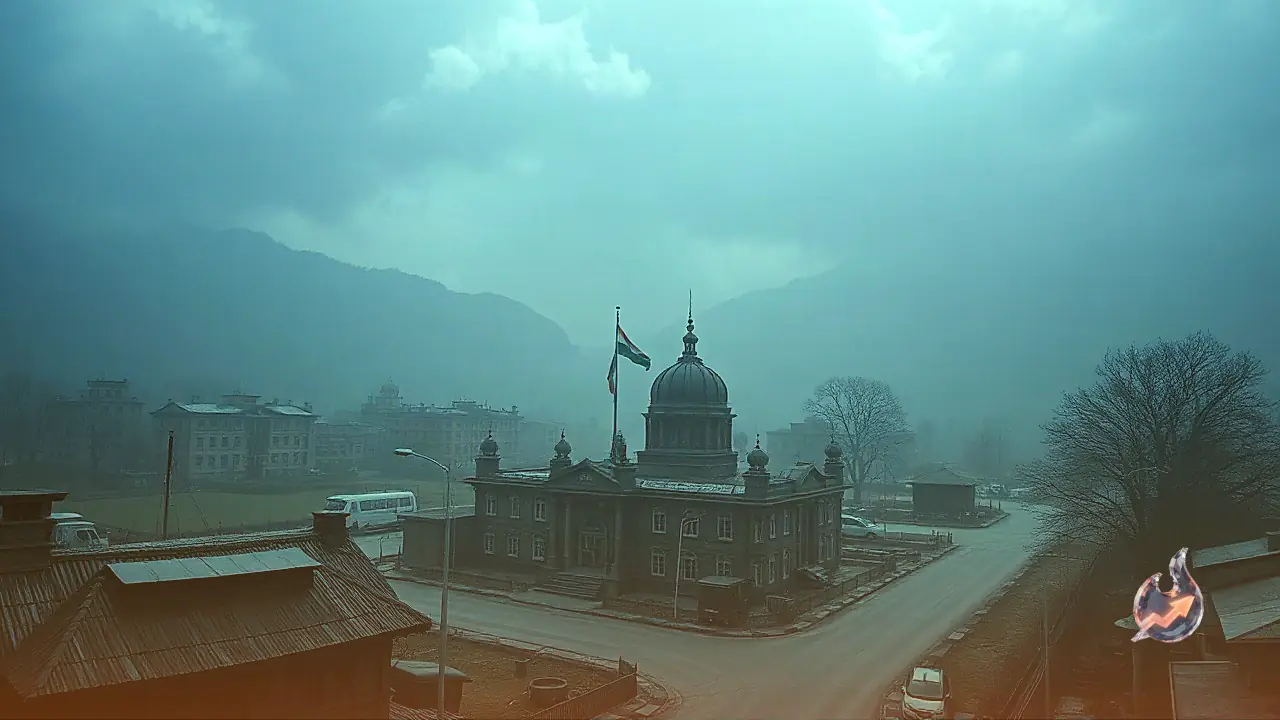















With the commencement of the peak tourism season in Rishikesh, the world-renowned center for spirituality and adventure travel is witnessing a massive surge in visitor arrivals. However, this economic and cultural boom has triggered severe gridlock across the town's primary transportation network. Daily traffic volumes along the banks of the Ganges River, busy ghats, central markets, and connecting highways have reached unprecedented levels. During weekends and public holidays, vehicle queues become so dense that traveling even a distance of a few hundred meters takes an exorbitant amount of time. While these prolonged traffic jams represent a minor inconvenience for tourists and daily commuters, the situation turns life-threatening when an ambulance carrying a critical patient gets trapped amidst the immobile rows of cars. The town's historical geography and narrow arterial roads further aggravate this emergency response crisis.
Severe Pressure on Key Tourist Corridors
Rishikesh holds a prominent global reputation, attracting millions of domestic and international visitors every year for the sacred Ganga Aarti, yoga retreats, white-water rafting, and sightseeing. However, this heavy influx of visitors corresponds directly to a dramatic increase in private and commercial vehicles on local roads. Arterial entry points coming from the direction of Haridwar, along with interior roads connecting Tapovan, Ram Jhula, Lakshman Jhula, and adjoining neighborhoods, experience intense vehicular saturation. The physical width of these streets remains strictly limited. Once a bottleneck forms near narrow bends or market intersections, traffic quickly backs up for kilometers. The issue is exacerbated by haphazardly parked vehicles lined up along the curbs, effectively reducing active driving lanes.
Emergency Response Capabilities Put to the Test
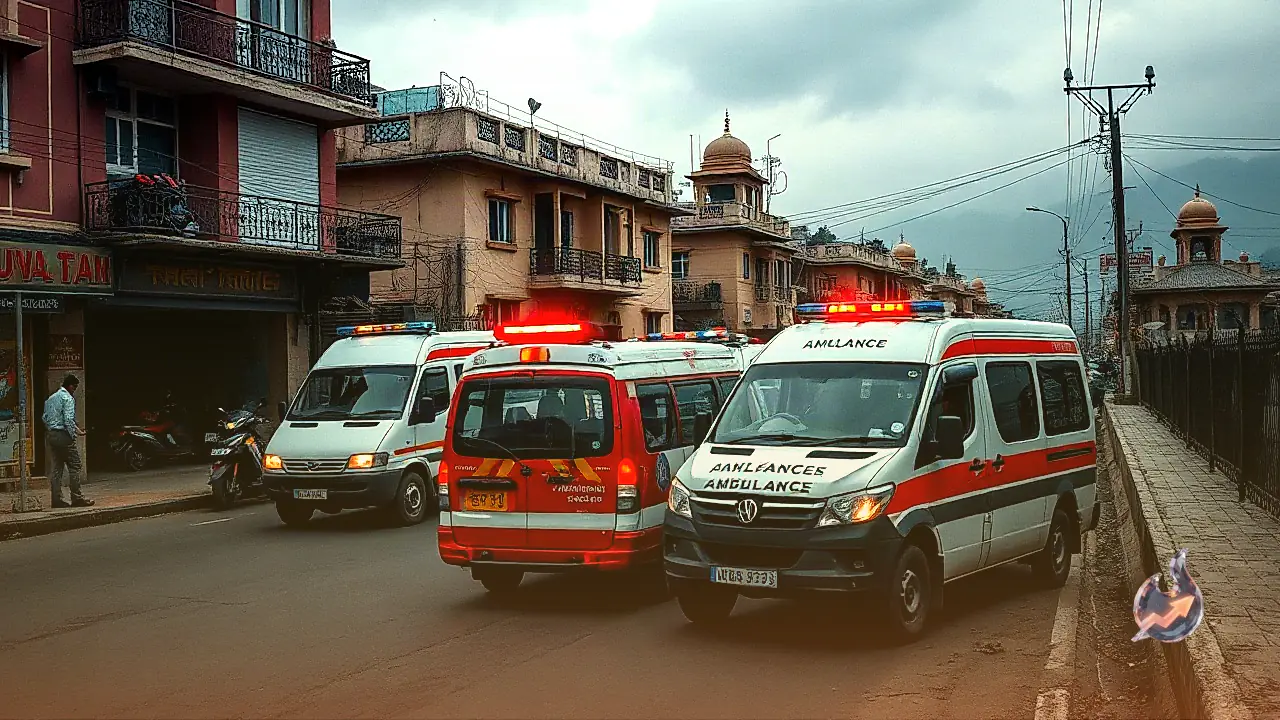
The most alarming consequence of this urban congestion occurs when patients requiring urgent medical intervention must be transported to regional hospitals. Despite continuous emergency sirens sounding from approaching ambulances, vehicle operators often find no space to move aside. On narrow stretches where private vehicles occupy both edges of the street and central lanes are jammed bumper-to-bumper, medical vehicles are rendered completely helpless. Every passing minute spent stuck in gridlock compounds medical risks for patients requiring immediate trauma or intensive care.
First-Hand Reality: The Psychological and Physical Toll on Drivers
Highlighting the reality on the ground, ambulance driver Kuldeep explained how constrained roadways and unmanaged traffic directly jeopardize patient outcomes. Recalling a critical incident, he shared that a female patient was in an extremely fragile medical condition due to severe, uncontrollable bleeding. Her medical state necessitated immediate arrival at the emergency ward. However, as the ambulance proceeded along the primary corridor, it encountered standstill congestion. Despite sounding high-decibel sirens, the dense volume of trapped cars made clearing a path virtually impossible. In such high-stress scenarios, drivers face intense anxiety while witnessing a patient's vital indicators decline during transit delays.
Urgent Need for Dedicated Corridors and Public Cooperation
The ambulance operator pointed out that navigating dense traffic is not merely a mechanical driving challenge, but a constant race against time filled with apprehension over potential medical complications during transit. He emphasized that "heavy traffic makes it extremely challenging to transport critical patients to the hospital on time." He urged that establishing designated green corridors along main routes, combined with a public habit of pulling over instantly upon hearing emergency sirens, could dramatically improve hospital arrival times for trauma cases. The worsening situation in Rishikesh underscores that robust traffic management and public awareness are vital to ensure that tourism growth does not come at the cost of human lives.