



















Amid relentless protests by upper-caste communities over the new University Grants Commission equity rules, the central government has decided to reconsider the regulations. The government is set to establish a dedicated committee to review the UGC equity rules for 2026. Solicitor General Tushar Mehta formally apprised the Supreme Court of this development during Thursday's court proceedings.
Arguments and Observations in the Supreme Court
During the hearing, Solicitor General Tushar Mehta assured the Supreme Court that the administration will look after students from every section of society, ensuring no group feels dissatisfied or intimidated. Meanwhile, Chief Justice Surya Kant emphasized that protecting every student's interests is essential and that the future of the younger generation must be kept in mind while framing guidelines. The apex court had previously stayed the rules in January, noting that justice must be secured for all sections of society.
Role and Mandate of the Government Committee
The proposed government committee will thoroughly examine every aspect of the controversial UGC regulations. The panel will investigate whether the newly framed equality rules could potentially lead to the harassment of students from any specific community. Furthermore, the committee will carefully evaluate the objections raised by upper-caste groups to ensure balanced protections are considered across the board.
Reasons Behind the Government Policy Reversal
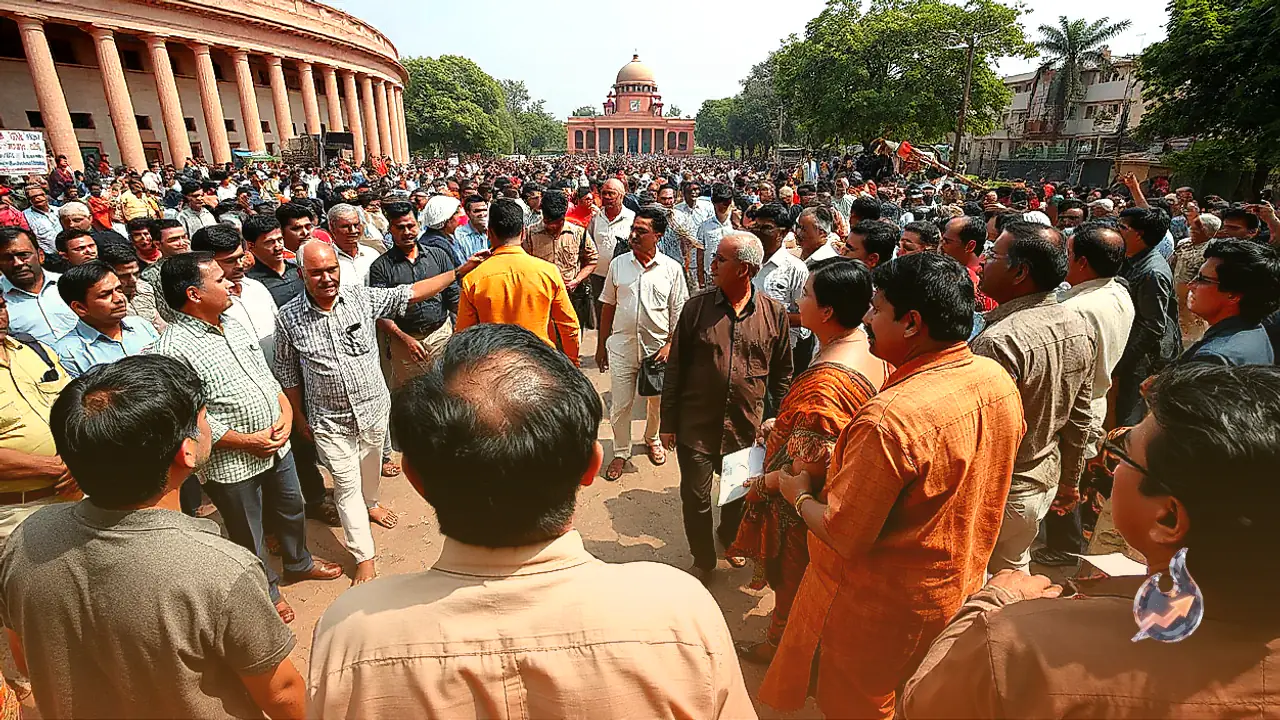
The decision to reconsider the rules comes in the wake of mounting pressure and frequent protests by upper-caste students and organizations on the streets. With assembly elections scheduled in seven states across the country in 2027—including Uttar Pradesh, Uttarakhand, Punjab, Himachal Pradesh, Gujarat, Goa, and Manipur—political observers note the significance of the timing. Given that upper-caste communities form a core vote bank for the Bharatiya Janata Party, the government appears keen to avoid alienating this crucial support base ahead of the electoral battle.
Core Grievances and Origin of the Controversy
The controversy stems from guidelines issued by the UGC for higher educational institutions, designed to protect students, faculty members, and staff belonging to Scheduled Castes, Scheduled Tribes, and Other Backward Classes from caste-based discrimination. However, upper-caste groups strongly objected because the framework lacked provisions addressing discrimination or harassment faced by general category students. Protesters argued that the rules only provided recourse for specific protected classes while offering no safeguards for general category individuals, fueling widespread demands for a complete rollback of the guidelines.