






















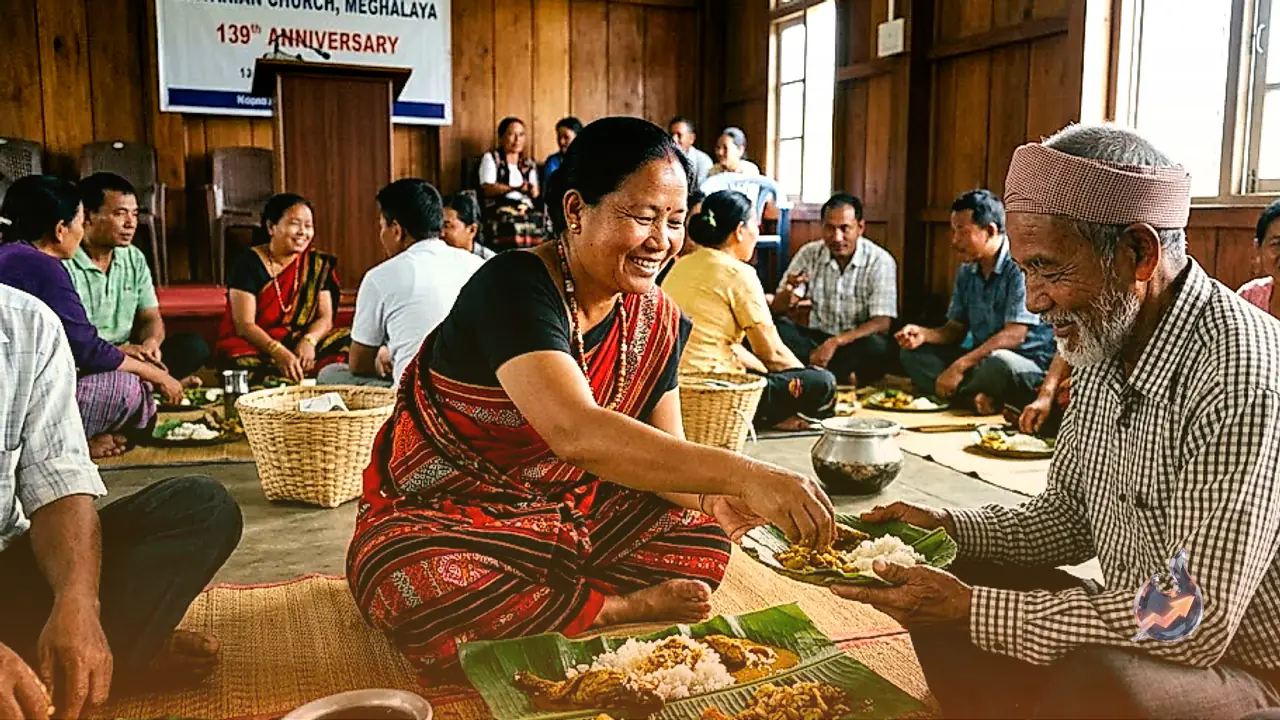

Followers across the Khasi-Jaintia Hills gathered on Friday to observe the 139th anniversary of the Unitarian movement in Meghalaya. Commemorative prayer services and civic programmes took place throughout the region, marking more than a century of an indigenous faith tradition that remains central to the area's local heritage.
The Historic Gathering in Jowai in 1887
The origins of this observance trace directly to September 18, 1887, when the indigenous Unitarian movement officially began. Hajom Kissor Singh, revered as the movement's founder, convened the very first Unitarian prayer service at his private residence located in Jowai. That modest assembly initiated an enduring spiritual legacy that continues to resonate across the northeastern state.
Over the intervening decades, Ka Niam Unitarian carved out an unmistakable religious standing. Rather than operating in isolation, the faith has preserved robust ties with Khasi and Jaintia cultural customs, indigenous heritage, and regional community values, functioning as a bridge between local cultural ethos and shared spiritual conviction.
Reflections on Service, Peace, and Shared Values
Religious assemblies held throughout the anniversary offered members an opportunity to revisit the faith's historical trajectory and examine its ongoing contribution to modern civil society. Central themes of the day included the pursuit of genuine spirituality, broad civic duty, cooperative community assistance, and mutual coexistence among diverse groups.
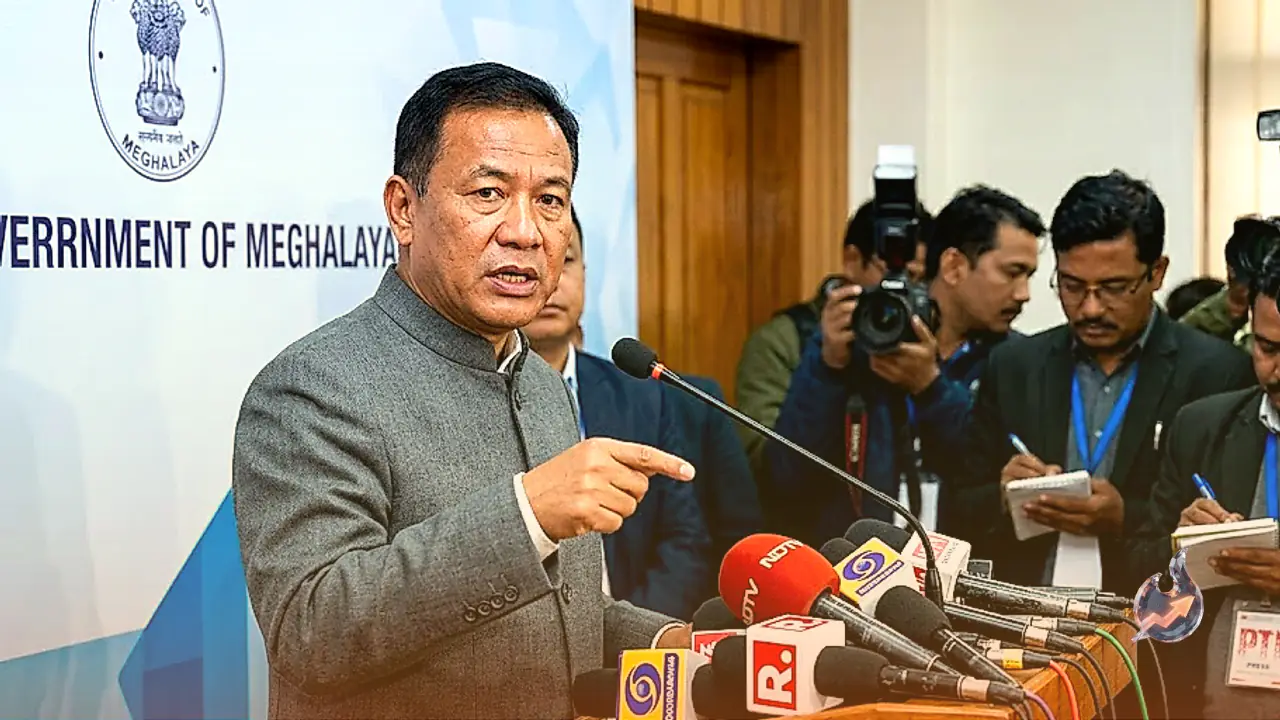
Chief Minister Conrad K Sangma offered his official greetings to the Unitarian population to mark the milestone. In an update shared on the platform, wrote on X, he noted, “On the 139th Unitarian Day, we honour a unique spiritual tradition that has deep roots in the Khasi region.” The Chief Minister extended his best wishes for an observance centred on spiritual devotion, peace, and purposeful reflection.
Preserving Heritage for Future Generations
The annual milestone provides a collective forum for congregants to honor the legacy of preceding generations who nurtured and guided the movement through its formative decades. During the proceedings, adherents actively reaffirmed their personal commitment to the foundational ideals established in the late nineteenth century.
Crucially, the gathering serves as an educational bridge, enabling elders to transfer distinct liturgical and cultural customs down to younger adherents. This recurring stewardship helps ensure that the movement retains its vibrant position within Meghalaya’s pluralistic social fabric.