


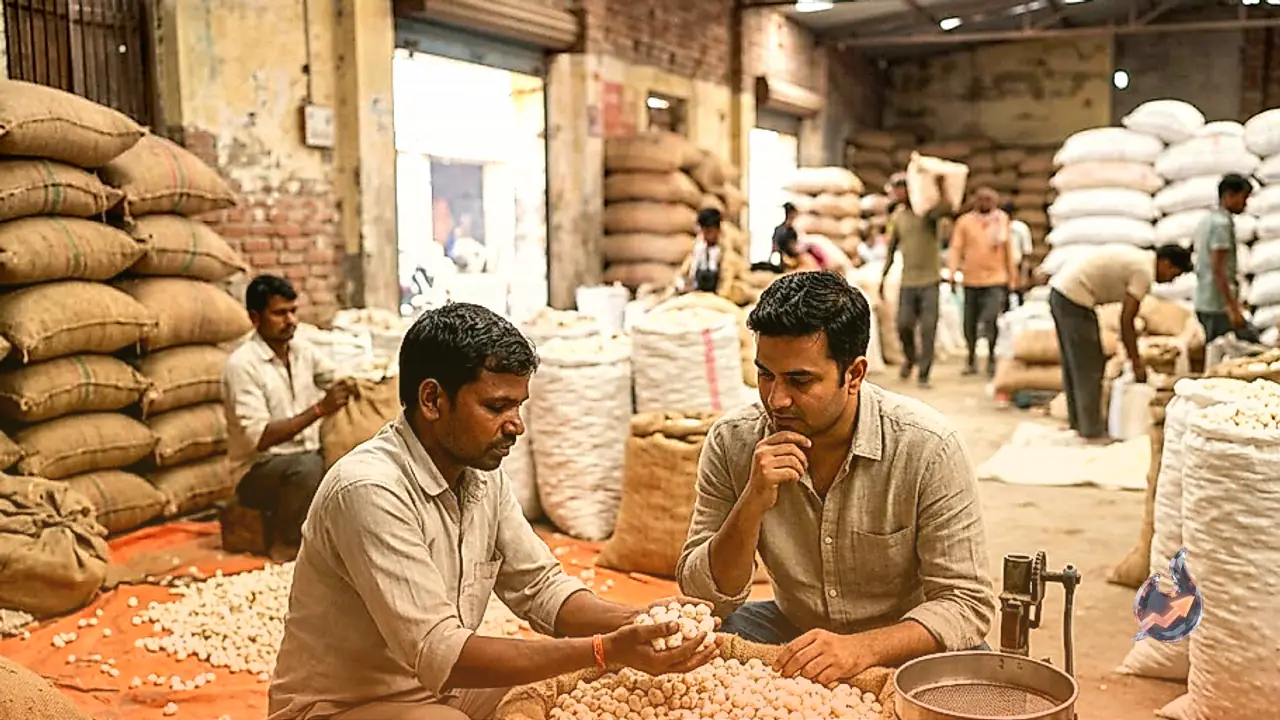















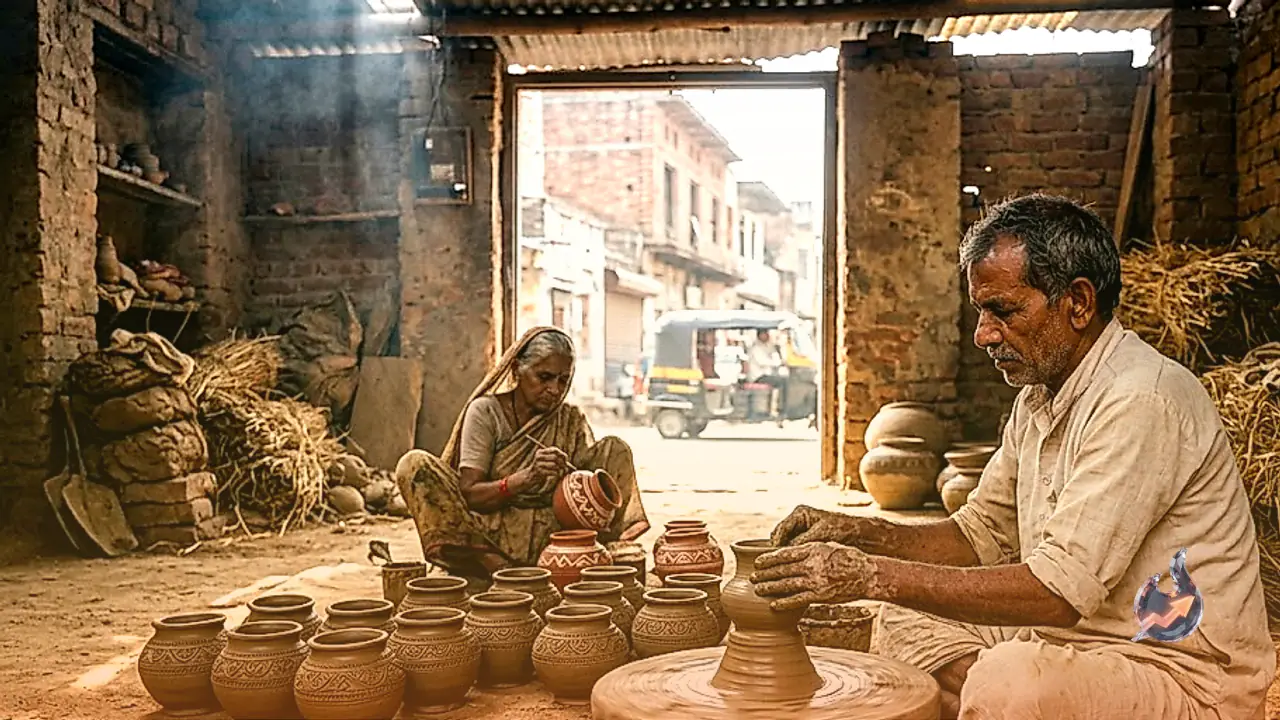

Technological advancement and automation have fundamentally restructured modern production systems. Factory machinery now produces consumer goods in large volumes within remarkably short timeframes, flooding commercial outlets with a wide variety of items. Despite this sweeping industrial shift, traditional craftspeople in Jhansi, Uttar Pradesh, continue to rely on manual dexterity and ancestral methods to make a living. For these artisans, their craft represents far more than an ordinary source of revenue; it remains an enduring symbol of familial heritage and cultural identity.
Years of Dedication and Laborious Processes
Sustaining generational trades over decades is proving to be an increasingly arduous undertaking. Mastering these traditional techniques requires prolonged periods of learning and sustained, rigorous practice. Artisans depend entirely on hard-earned practical experience to shape every single item, demanding exceptional precision alongside immense patience. After spending entire days in physical labor to finish their products, craftsmen are constantly plagued by uncertainty regarding consumer demand and whether their goods will fetch a fair return.
Market Influx of Inexpensive Machine Alternatives
Commercial marketplaces are currently dominated by mass-manufactured, factory-made alternatives. Because automated production lowers manufacturing costs, these items are sold at lower prices, which regularly attracts cost-conscious buyers. This purchasing trend directly disadvantages local artisans who assemble every product manually. Handcrafted production requires significantly more time per unit. Furthermore, workers must absorb multiple expenses, ranging from sourcing raw materials to transporting and marketing the finished items. Under these financial constraints, balancing intense physical labor against minimal earnings has become exceptionally difficult.
Perspective from the Workshop
Babulal Prajapati, an artisan actively engaged in the craft, explains that the trade demands continuous physical dedication and precision. Every single item requires undivided attention and significant time to fabricate properly. He observed, "बाजार में मशीनों से बनी चीजें आने के बाद हाथ से काम करने वालों के सामने मुश्किलें बढ़ी हैं।" Prajapati noted that consumers frequently base their purchase decisions entirely on the retail price tag, neglecting the extensive skill, time, and physical strain invested in manual craftsmanship. Despite mounting operational difficulties, he remains committed to continuing the trade because the skill is deeply rooted in his family heritage.
Fair Pricing Realities and the Next Generation
For craftspeople like Babulal Prajapati, operating their traditional workshops serves as a conduit for passing ancestral techniques down to descendants. The continuity of this sector is not merely about product output, but about ensuring that historic methods and tacit craftsmanship survive into the future. If these workshops shut down, the pool of knowledgeable artisans will shrink dramatically. Today's younger generation has access to numerous alternative career paths and tends to prioritize occupations offering higher financial returns. When ancestral work demands exhaustive labor but yields meager wages, convincing youth to inherit the family vocation becomes an uphill battle. Preserving these traditions requires ensuring that artisans receive fair compensation and dedicated space within modern retail markets.
The Collective Responsibility of Heritage Preservation
The daily struggle of craft workers in Jhansi illustrates that keeping historical skills alive is not solely the responsibility of individual artisans. It requires a market ecosystem that values the uniqueness of handmade items and respects the labor invested by creators. While industrial equipment can manufacture goods in minutes, acquiring ancestral expertise requires decades of patience and training. The coming years will determine whether this specialized heritage can successfully transition to future generations or whether it will be gradually pushed aside by changing commercial demands.