





















With shifting weather patterns and a sharp drop in temperatures across Nainital in Uttarakhand, the health challenges for individuals suffering from respiratory ailments have started mounting. The intensifying cold during early morning and late evening hours has made breathing a strenuous task for asthma patients. Healthcare facilities in the region are witnessing a steady influx of patients seeking medical intervention for various breathing complications as winter sets in.
Rising Patient Footfall at BD Pandey District Hospital
The BD Pandey District Hospital in Nainital is currently registering a high volume of patients arriving daily for the treatment of respiratory distress. According to Dr. Abhishek Gupta, a chest physician at the hospital, the outpatient department is handling around 60 to 70 patients every day who present with breathing issues. Out of this total daily count, approximately 25 to 30 patients are suffering directly from asthma. Given these figures, medical professionals have stressed the urgent need for heightened caution among vulnerable individuals during the ongoing seasonal transition.
How Cold Air Triggers Respiratory Complications
Medical experts explain that the onset of winter naturally triggers a surge in respiratory discomforts. Exposure to plummeting temperatures and cold wind currents can increase inflammation and constriction within the airways of susceptible individuals. This physiological reaction manifests as severe breathing difficulties, persistent coughing, tightness in the chest, and a noticeable wheezing sound while inhaling or exhaling. People with a prior history of the condition must exercise extra vigilance during this phase.
Importance of Continuing Prescribed Medication and Inhalers
Doctors point out that asthma involves chronic inflammation of the airways that restricts normal airflow. While complete eradication of the condition is not always achievable, it can be effectively managed through disciplined treatment and consistent care. Patients are strongly cautioned against stopping their prescribed medications or discontinuing their inhalers without consulting a qualified medical practitioner. Halting treatment prematurely simply because symptoms temporarily subside can lead to dangerous flare-ups.
Essential Precautions for Winter Months
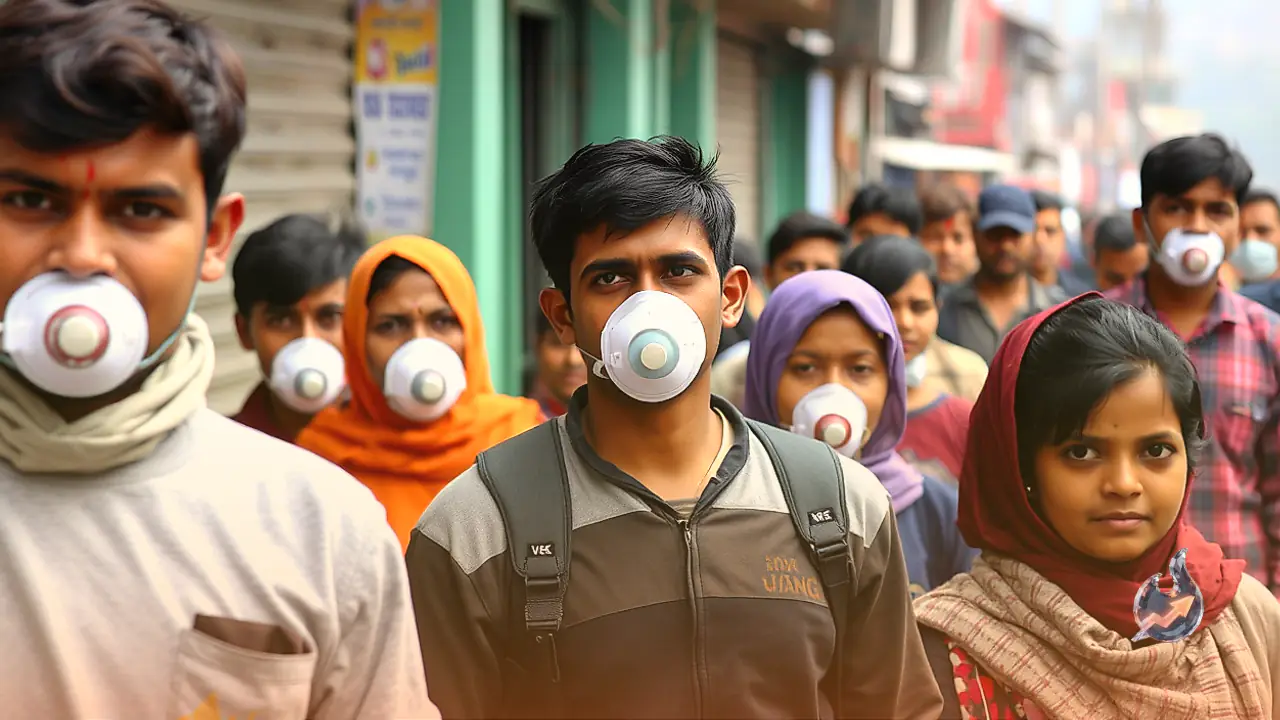
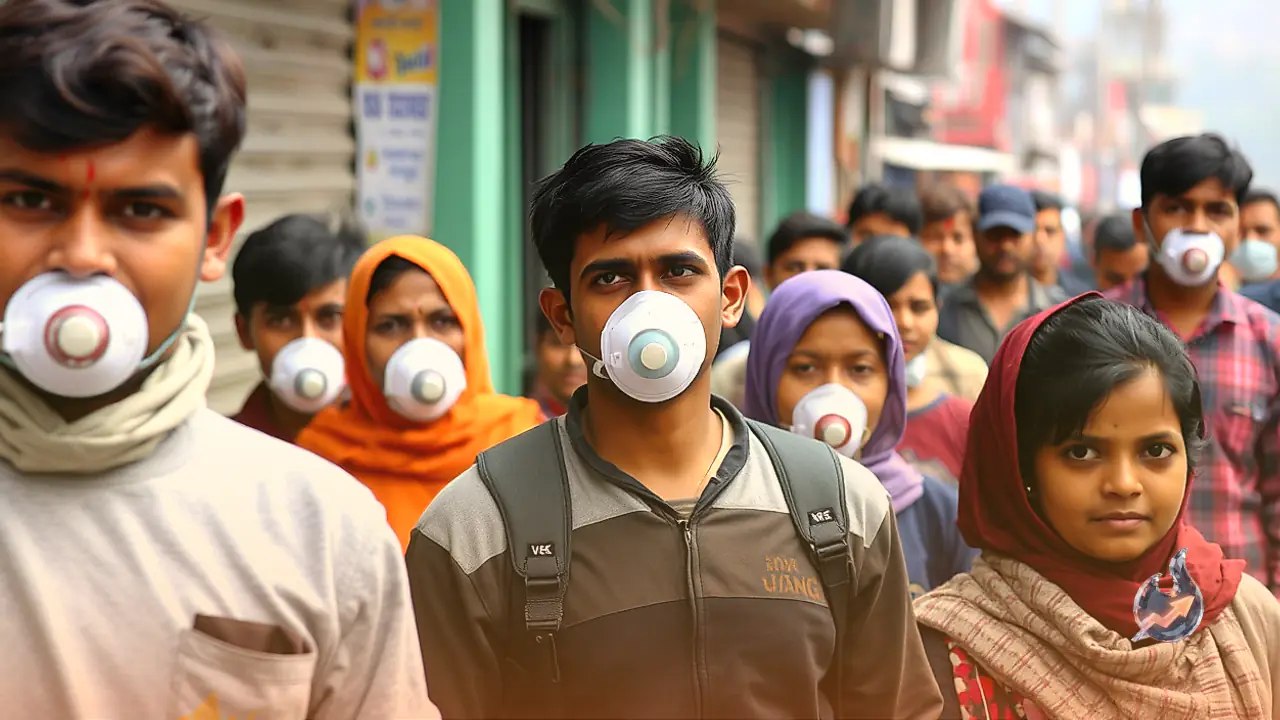
During the colder months, asthma patients need to incorporate specific safety measures into their daily routines. It is crucial to avoid direct exposure to cold air, especially when temperatures dip during early mornings and late evenings. Individuals should cover their nose and mouths properly with a scarf or mask whenever they step outdoors. Furthermore, maintaining a safe distance from dust, smoke, and other environmental triggers is vital to prevent sudden aggravation of respiratory symptoms.
Early Signs to Watch Out for in Children
This respiratory vulnerability is not restricted to adults alone, as early symptoms of asthma can also manifest in children aged 14 to 15 years. Parents should pay close attention if a child experiences frequent coughing spells, gets breathless easily while playing or running, or struggles with breathing during nighttime hours. Although these signs can sometimes overlap with other illnesses, a professional medical evaluation is essential to determine the exact underlying cause and ensure appropriate care.