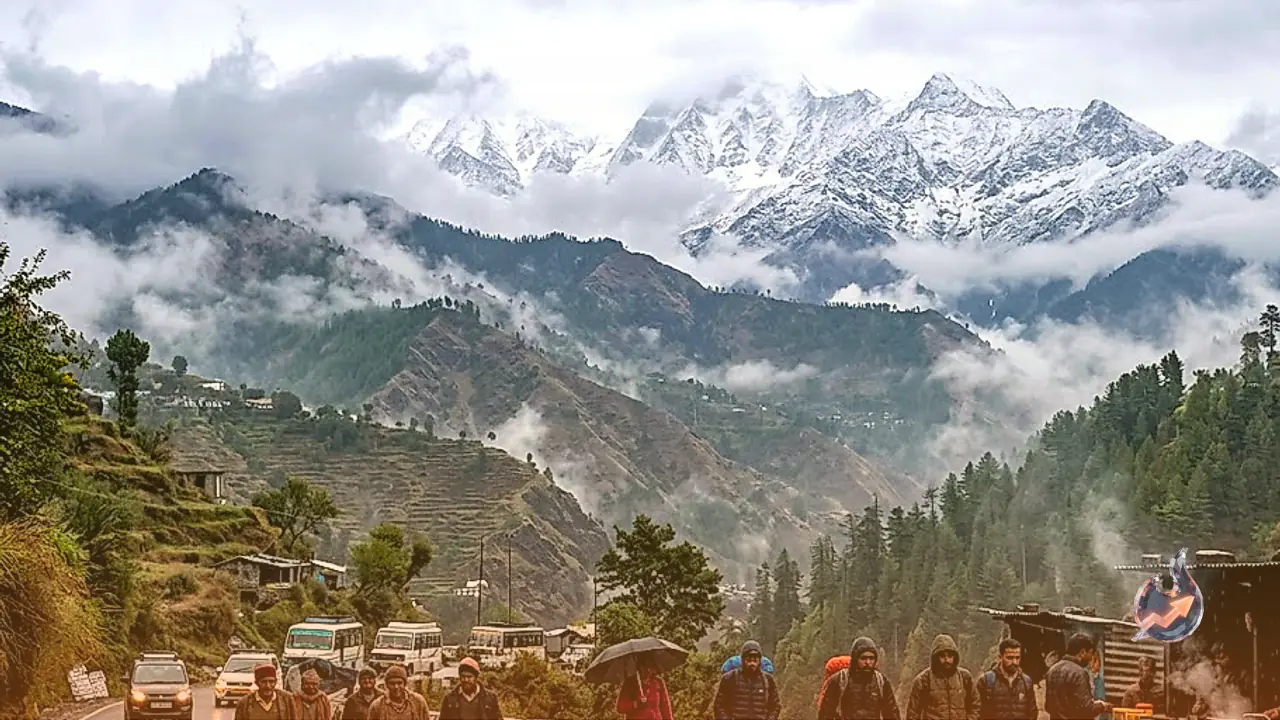




















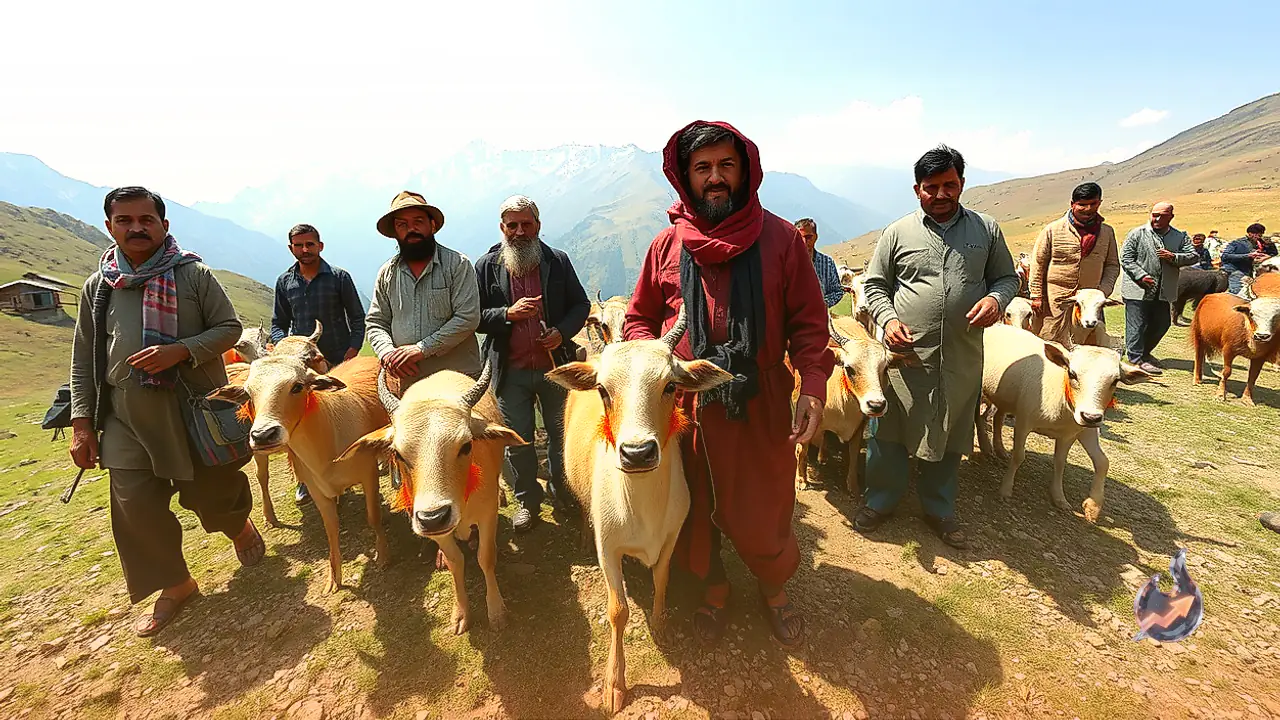

In the high-altitude mountainous regions of Uttarakhand, the daily life of shepherds is deeply intertwined with nature, weather, and their animals. In the Bageshwar area, rearing sheep and goats is not merely a business but a traditional lifestyle and a primary source of livelihood passed down through generations. Living among dense forests, rugged mountain trails, and high-altitude bugyals, these herders relocate their camps according to the changing weather. They support their families through the earnings generated from wool, milk, ghee, and the sale of livestock.
Moving Toward High Meadows in Summer
During winters in the mountains, heavy snowfall and severe cold make gathering fodder for animals in the higher altitudes extremely difficult. Local expert Ramesh Krishak Pandey explains that as summer arrives, the availability of natural grass and water increases in the high bugyals, prompting shepherds to head toward these regions with their animals. Typically, between April and September, their camps are set up in these elevated pastures. In these inaccessible areas, herders live in temporary tents or small stone shelters known as channies. Sometimes, they even have to spend the night under the open sky. Their entire day is consumed by grazing the animals, arranging water, and keeping the flock safe.
Returning to Lower Valleys During Winter
Between October and March, as the weather shifts and cold intensifies in the upper reaches, shepherds begin returning toward the lower valleys and Bhabar. The main purpose of this seasonal migration is to provide the animals with favorable weather, adequate fodder, and water. During this journey, they must carry food supplies, essential goods, and materials needed for animal care. Long travels across treacherous mountain paths present serious challenges such as landslides, rain, snowfall, and poor road conditions. Consequently, herders must proceed cautiously while assessing weather patterns.
Livelihood Driven by Wool, Milk, and Livestock
The core foundation of these shepherds' income is sheep and goat rearing. The wool obtained from sheep, dairy products made from goat milk, and the sale of livestock serve as their main revenue streams. Some families also prepare ghee and other products from milk. Animal husbandry requires persistent hard work from family members. Grazing the animals, caring for sick livestock, and protecting the herd from wild animals is a demanding responsibility. At times, family members have to stay away from their permanent villages and social circles for months.
Village Rotations to Supply Rations to Bugyals
While the shepherds stay in the bugyals, their herds include sheep and goats from multiple villages. To support this, people from different villages take turns every month to deliver rations and salt to them. Salt is fed to the sheep in good quantities to prevent health issues. During this period, these herders manage over a thousand sheep entirely on their own. When villagers arrive at the bugyals with food supplies, their well-being is checked, and information about the shepherds' next destination is relayed back to the communities. Thus, the shepherds spend six months in the high Himalayan region before gradually navigating down the mountain paths toward Bhabar as winter sets in, spending the remaining six months living there.