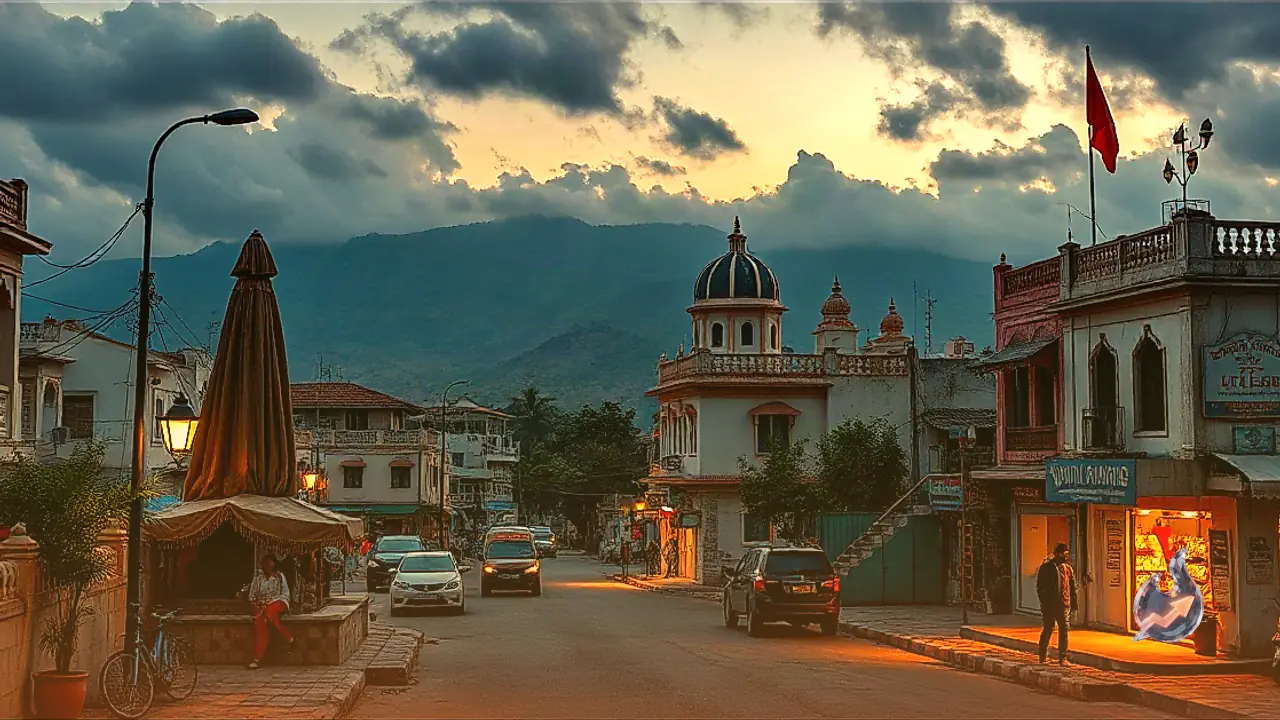
















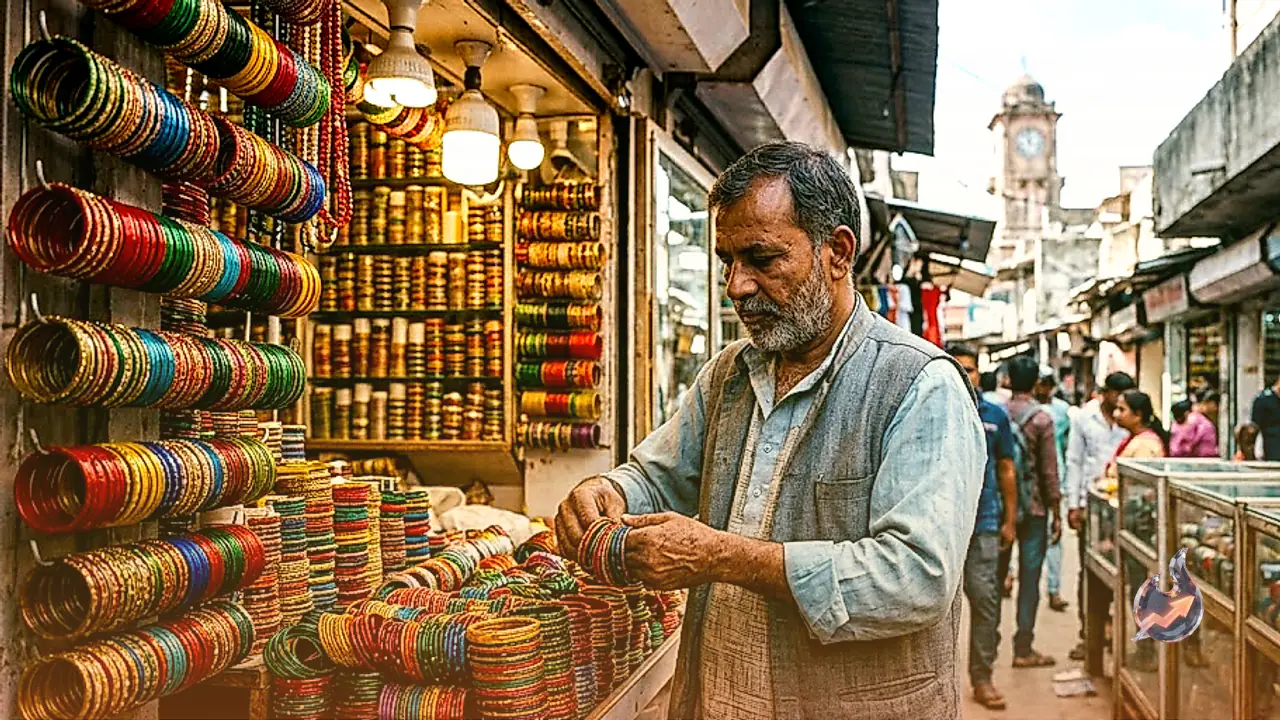

Firozabad, widely celebrated as the City of Glass, holds an enduring reputation across the globe for its exquisite glass bangles. An essential element of traditional adornment, these bangles are produced in countless varieties across the city and sold through an expansive marketplace that attracts shoppers from across India as well as overseas. Although the commercial hub is vast and thriving today, its early beginnings were remarkably modest. Decades ago, local traders dealt solely in plain, unadorned glass bangles. During that era, formal shops were extremely rare, and residents conducted their sales by simply placing stock underneath their homes.
A 150 to 200 Year Heritage Rooted in Early Craftsmanship
According to B.S. Gupta, a local bangle trader in Firozabad, the emergence of the famous Bohran Gali bangle market coincided directly with the birth of glass bangle manufacturing in the city. Between 150 and 200 years ago, members of the local Muslim community laid the foundation for this trade. In those early times, craftsmen used small triangular rollers to shape the molten glass into different sizes. Over the years, this specialized manual trade expanded, paving the way for the establishment of small-scale glass manufacturing units across the area.
Alongside this industrial growth, Bohran Gali, situated near Firozabad's Ghantaghar, evolved into an active marketplace. At the time, the thoroughfare running past Ghantaghar served as the primary highway connecting travelers to Agra. Recognizing the high footfall along this main transit route, residents constructed commercial storefronts beneath their residential premises and set up storage godowns. From these humble spaces, wholesale consignments of bangles began moving out to commercial dealers across different regions, gradually cementing the street's reputation as a commercial hub.
The Transition from Plain Glass to Gold Leaf and Hill Designs
In its formative years, the shops along Bohran Gali stocked strictly plain bangles that carried no decorative embellishments. Over time, regional artisans introduced sophisticated processing techniques to enhance their appeal. Glass-cutting methods were developed, followed by the introduction of delicate gold leaf application, which gave rise to the celebrated 'hill' bangles. These artistic advancements transformed the market, turning Bohran Gali into one of the most venerable and recognized glass bangle centers in the trade.
Extensive Collections Across Thousands of Stores and Buyer Confidence
Today, the market is celebrated for its elaborate collections of fancy bangles and ornate kangkans. Dr. Amit Yadav, a native of Lucknow currently stationed at the Firozabad Medical College, noted during a family visit to Bohran Gali that the market is remarkably extensive and vibrant, accommodating thousands of stores displaying a vast array of unique patterns and designs.
Sharing her shopping experience, Dr. Kalpana Yadav observed that Bohran Gali stands out because it consistently offers superior quality glass bangles. She explained that the competitive and economical price points, paired with authentic craftsmanship, make the market the preferred destination for buyers seeking genuine products.