
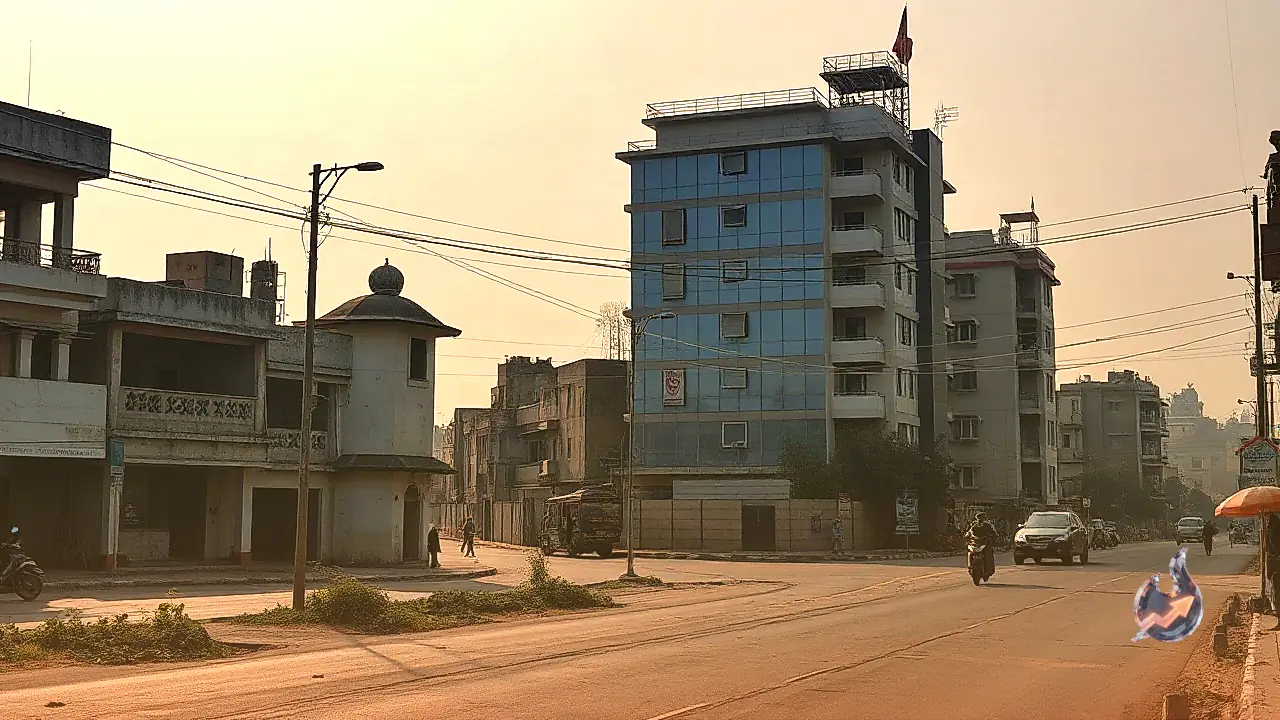





















The historic city of Sultanpur in Uttar Pradesh holds immense cultural and historical significance, with its destiny deeply tied to the flowing waters of the Gomti River. Centuries ago, the layout of this region was vastly different from what we see today. Prior to the historic rebellion of 1857, the primary settlement of Sultanpur was located entirely on the northern banks of the Gomti River. The southern bank, where the modern urban center of Sultanpur currently thrives, was merely a small, quiet settlement known back then as Girgit village. During that period, there were no permanent structures or reliable crossings connecting the main city to Girgit village, making any journey across the wide river a major undertaking for the local populace.
The era of wooden boats and the first iron bridge
In the absence of concrete infrastructure, the people of Sultanpur had to rely on their own resourcefulness to cross the Gomti River. According to local resident Ramlal Nishad, before any permanent bridges were established, community members depended completely on traditional wooden boats to travel from one side of the riverbank to the other. These wooden boats were not just a means of transport, but the absolute lifeline for the daily chores, trade, and survival of the locals. Over time, the residents also constructed makeshift wooden crossings, historically referred to as "sakh" bridges, which were built using local timber and branches to offer a temporary walking path across the water.
This scenario of temporary crossings changed at the turn of the twentieth century. The very first permanent iron bridge over the Gomti River was finally constructed in Sultanpur in the year 1903. Although this century-old iron bridge stands to this day as a testament to early engineering, it is no longer open to the public. Due to structural aging and safety concerns, authorities have completely banned all vehicular and pedestrian movement across it, preserving it strictly as a heritage landmark.
Historical shifts and British retaliation in 1858
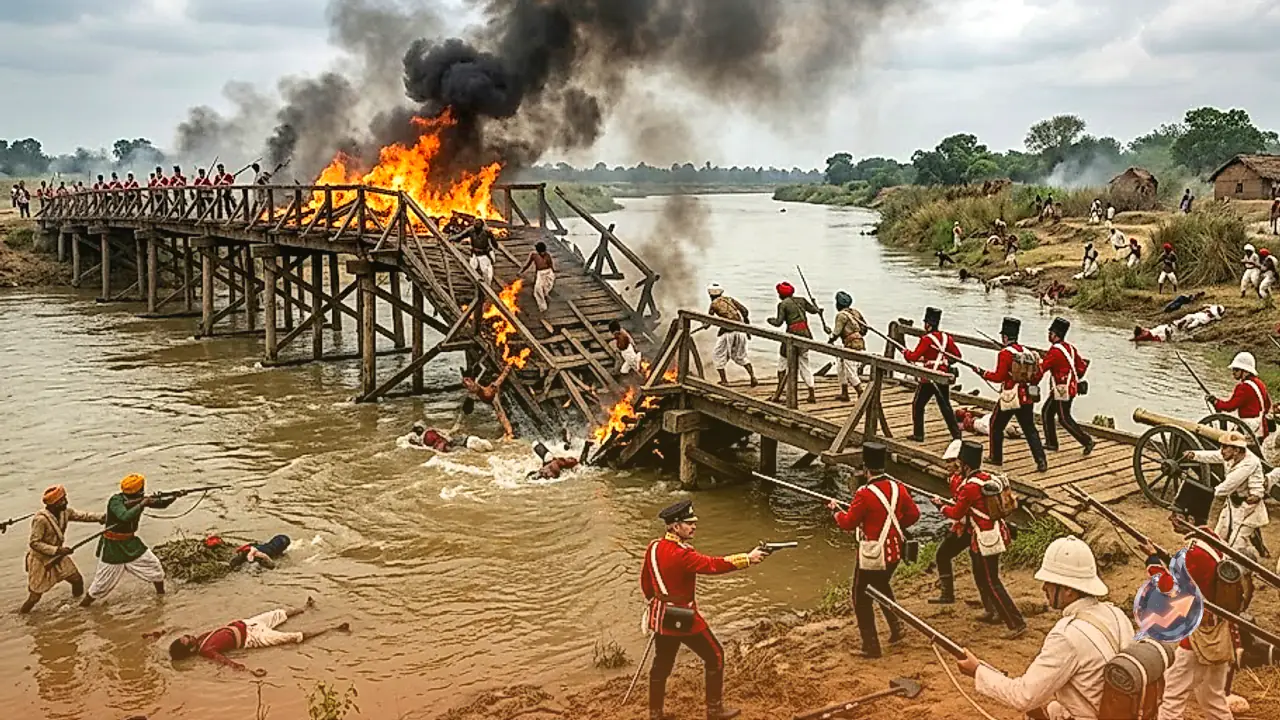
The transformation of Sultanpur from a northern settlement to a southern city is a historical consequence of the colonial era. Senior journalist Vikram Brijendra Singh explains that the modern layout of Sultanpur was directly shaped by the actions of the British administration. Before the iconic iron bridge was built at Gola Ghat, the river was spanned by a simple wooden bridge.
When the brave freedom fighters of Sultanpur rose up against the British East India Company during the Uprising of 1857, they fought fiercely. In a move of severe retaliation, the British forces sought revenge in 1858 by using cannonballs to completely blow up the strategic wooden bridge at Gola Ghat. Following this destruction, the colonial rulers decided to construct a highly durable iron bridge at the exact same location. This new connectivity drew residents and businesses to settle on the southern side, eventually turning the erstwhile Girgit village into the central hub of modern Sultanpur.
A modern network of bridges across the Gomti
Today, the historical lack of connectivity has been completely resolved. The Gomti River in Sultanpur is now spanned by dozens of modern bridges, ensuring seamless travel across the district. Among these is a prominent bridge built near the revered Dhopap temple, which provides easy access for thousands of visiting devotees. Another key bridge has been constructed near Diyara Ghat to facilitate local trade.
Within Sultanpur city itself, one main bridge is fully operational, while a second urban bridge is currently under construction to accommodate growing traffic demands. Furthermore, several bridges have been built in rural areas, including Isauli village under the Baldirai tehsil. Thanks to these multiple completed and ongoing bridge projects, the residents of Sultanpur district can now cross the Gomti River effortlessly, leaving behind the days of perilous boat journeys.