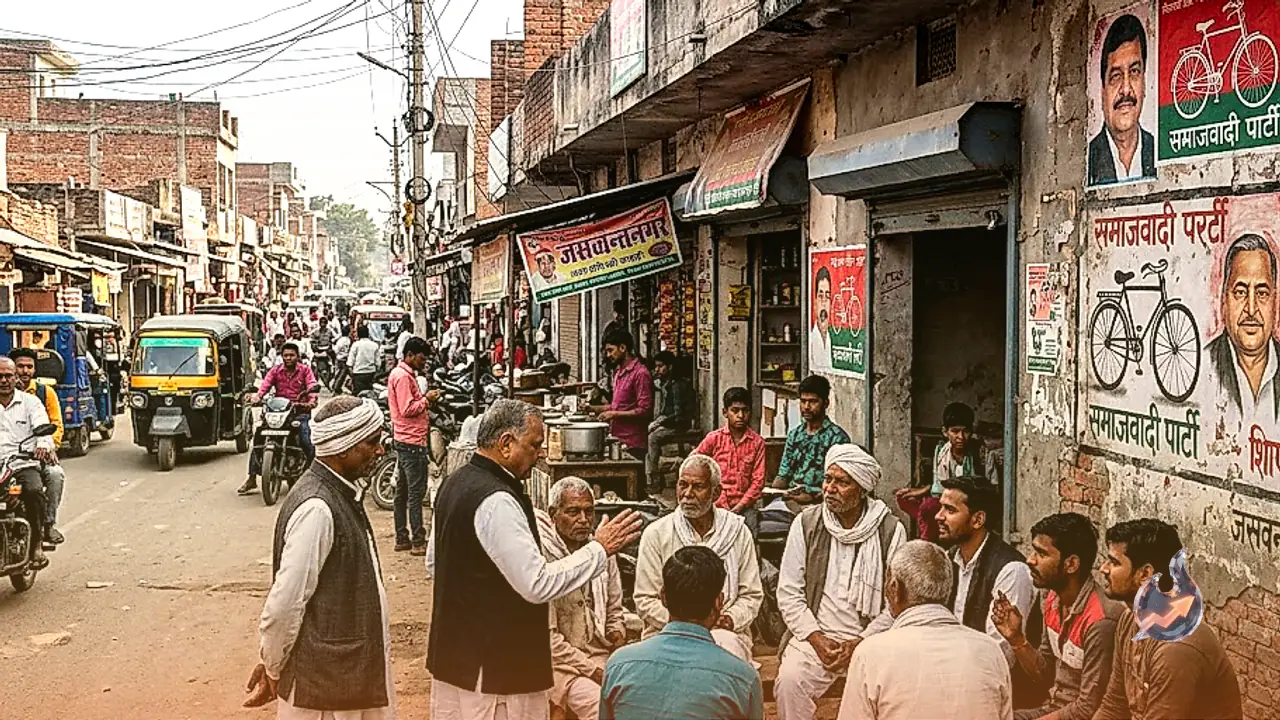

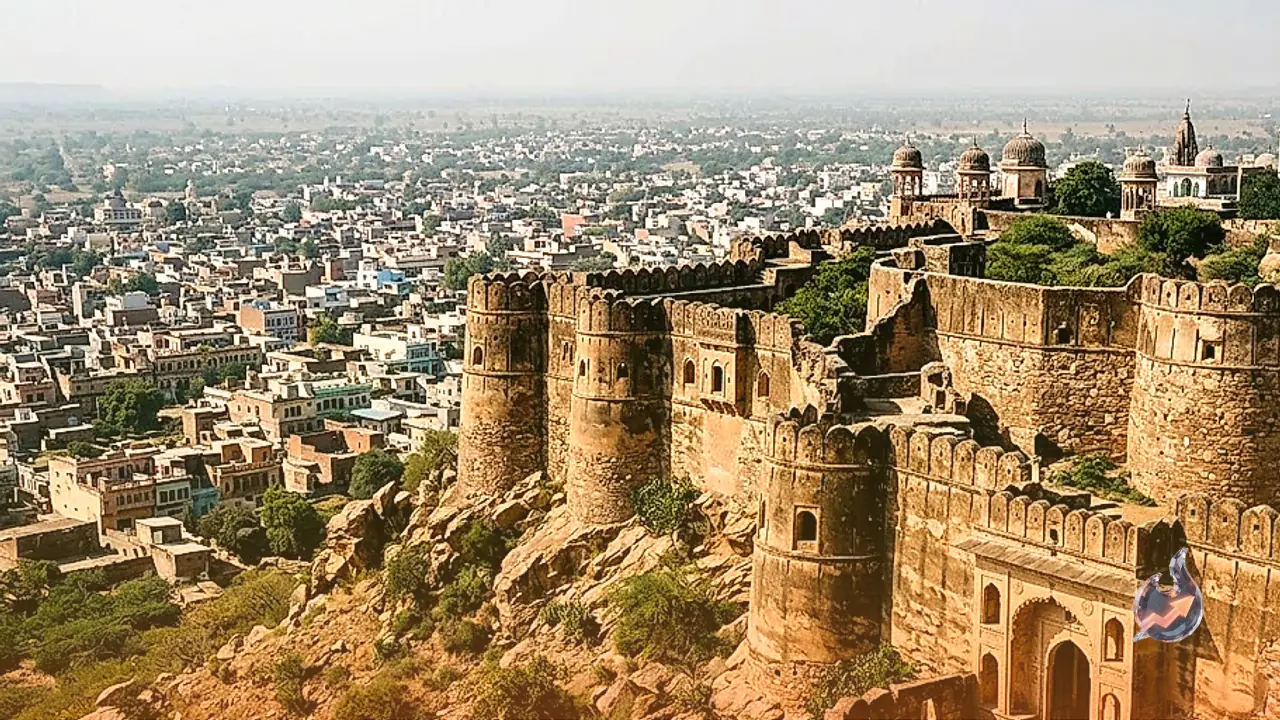
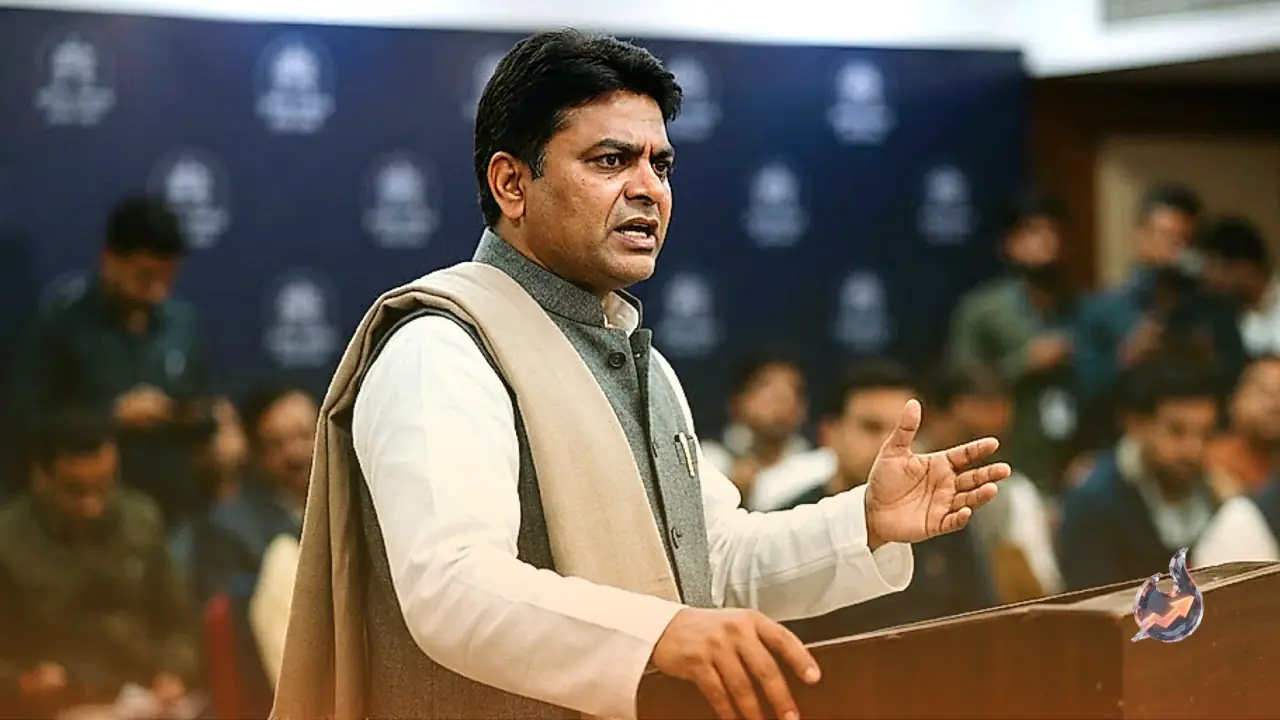
















During the Indian independence struggle, Sultanpur played a crucial role in the nationwide movement. Following the inception of Congress in 1885, organizational structures were being established in districts across the country. In 1921, this momentum led to the formation of the first District Congress Committee in Sultanpur, Uttar Pradesh. At that time, Mahatma Gandhi's Non-Cooperation Movement was at its peak, significantly inspiring local activists to coalesce under a unified banner.
Leadership and the Non-Cooperation Movement
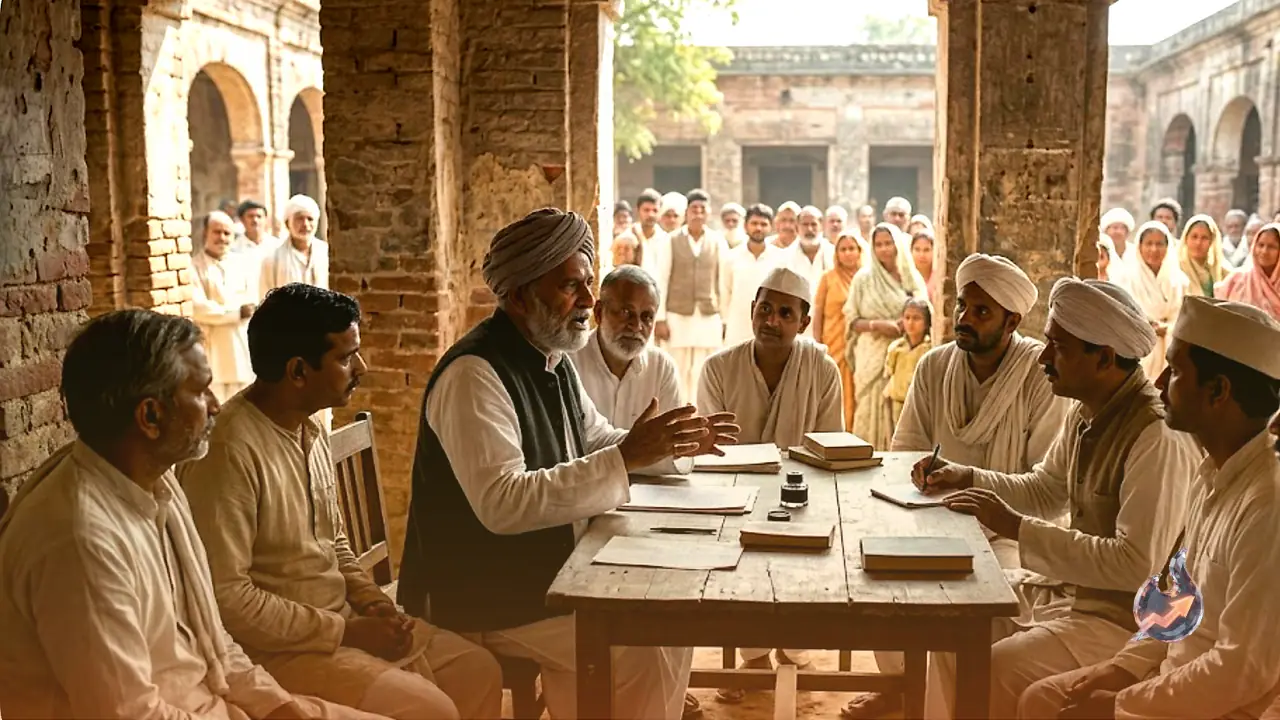
Before the movement fully intensified, Babu Ganpat Sahay had already led a group from Sultanpur to participate in the Lucknow session. This was also a period when the Khilafat Committee was established. Upon the official formation of the District Congress Committee in 1921, Babu Ganpat Sahay was elected as the inaugural president, with Ramakant Singh serving as the general secretary. They were supported by key figures such as Mohammad Nazim, Baba Ramlal, Anant Bahadur Singh, and Ramjas Yadav. The Non-Cooperation Movement saw widespread participation from residents in areas including Hasanpur, Tiyari, Baikunthi, Kadipur, Barwaripur, Bahrauli, Bazar Shukla, and Baldirai.
The Contribution of Babu Ganpat Sahay
According to veteran journalist Vikram Brijendra Singh, Babu Ganpat Sahay is credited with bringing Sultanpur to the forefront of the national struggle. Following the agitation against the partition of Bengal, he grew close to Bipin Chandra Pal. He eventually resigned from his college position to pursue public service as an advocate. Strongly inspired by the political ideology of Lal, Bal, and Pal, he was appointed the first president of the District Congress Committee in 1921.
Strengthening the Independence Movement
Prior to the establishment of the District Congress Committee in 1921, activities related to the freedom struggle were conducted in a scattered manner. The formation of the committee brought unity and strategic planning to these efforts. With Congress policies being implemented effectively at the local level, the resistance against British rule in Sultanpur gained considerable momentum, leading to a more structured and intense struggle for independence within the district.