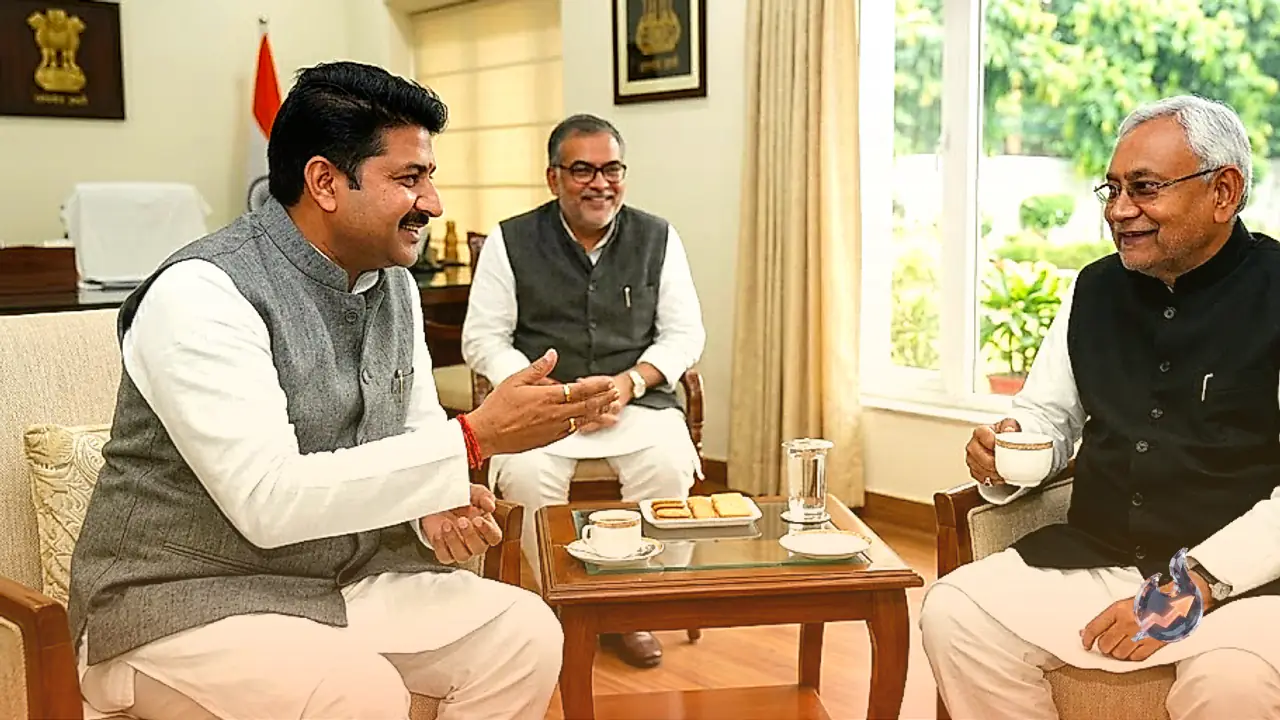




















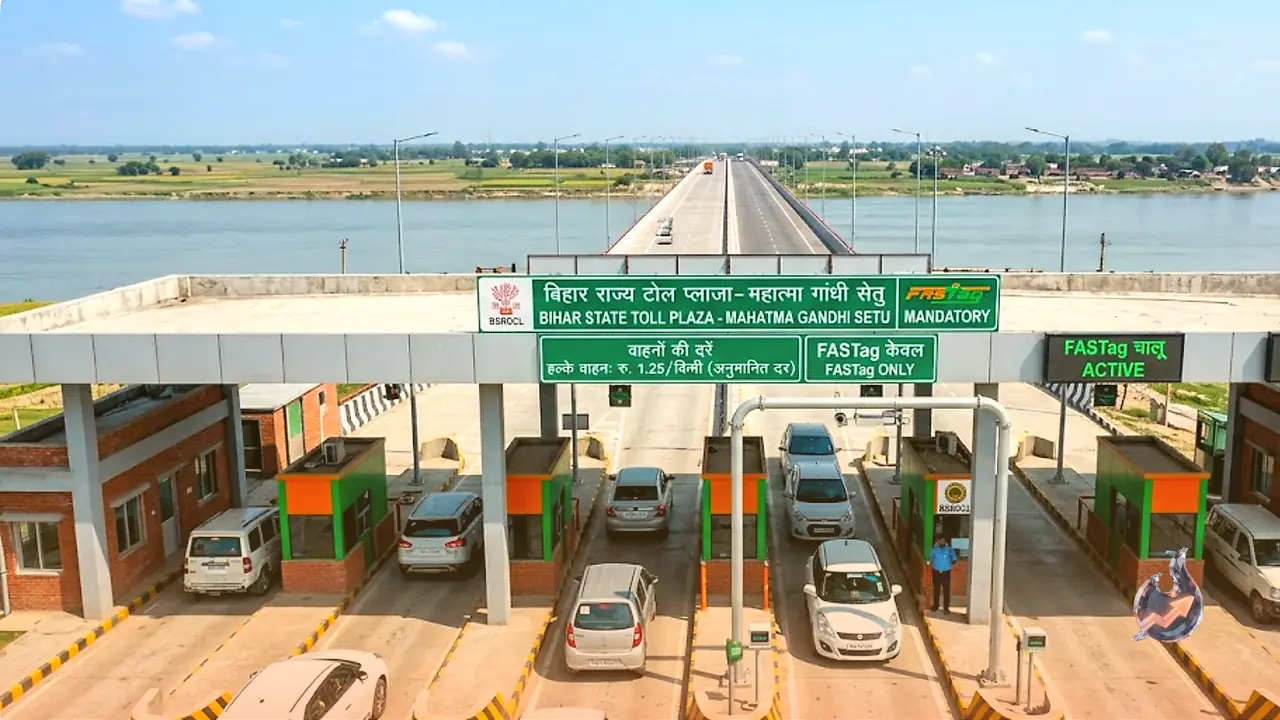

Bihar will now charge toll from vehicles using state government owned roads and bridges, on the same lines as the Indian National Highways Authority, or NHAI, collects toll on national highways. The state cabinet, chaired by Chief Minister Samrat Choudhary, cleared a total of 29 proposals at its meeting on Wednesday, and this new toll system was one of them. Briefing reporters after the meeting at the Information and Public Relations Department, Additional Chief Secretary of the Cabinet Secretariat Department, Arvind Kumar Choudhary, said the cabinet has approved the Path Upyogkarta Shulk (Daron ka Nirdharan evam Sangrahan) Niyamawali, 2026, a rulebook framed as a consequence of the decision to levy a road tax on infrastructure owned by the Bihar government.
How the new toll system will work
Under the new rules, vehicles that use state owned roads, major bridges and bypasses will pay a user fee based on their category. Choudhary said the base road tax for light motor vehicles has been fixed at Rs 1.25 per kilometre. Fee collection will be made fully modern and transparent, with digital payments through FASTag and other approved electronic systems given priority. Separate fees have been set for different categories of vehicles, and these rates will be reviewed every year, with revisions possible depending on inflation and the condition of the roads. Vehicles without FASTag will be charged a higher user fee than the standard rate, while overloaded vehicles will attract an additional penal charge. To ease the burden on local and regular commuters, the rules also provide for discounts, concessional passes and a multiple trip facility based on set categories.
A large fund for rural development
In line with the recommendations of the 16th Finance Commission, the cabinet approved the disbursement and expenditure of Rs 51,923 crore in basic and performance grants that the state will receive from the central government between financial year 2026-27 and 2030-31. The entire amount will be distributed among gram panchayats, panchayat samitis and zila parishads. The government says this will speed up development of basic facilities such as roads, drains and drinking water in rural areas and make local bodies more financially self reliant.
A push for industry and infrastructure
To boost industrial development, the cabinet allowed the Bihar Industrial Area Development Authority, known as BIADA, to raise a loan of up to Rs 25,000 crore on a state government guarantee. The government says this will strengthen infrastructure in industrial areas and create fresh opportunities for investment and employment. Separately, under the Amritsar Kolkata Industrial Corridor project, a four lane road will be built in the Dobhi area of Gaya district, running from National Highway 2 through Chandagram up to the Babhandeo forest. For this, the cabinet approved the free, permanent inter departmental transfer of 35.19 acres of non mazarua government land to the Road Construction Department.
A bond for urban development in Patna
In an important decision on urban development, the cabinet permitted the Patna Municipal Corporation to issue municipal bonds worth up to Rs 200 crore. The government says the funds raised will help improve traffic management, clear encroachments and tackle the problem of illegal vending on city roads.
Bus depots to get a makeover under PPP
In the transport sector, 31 bus depots and bus stands under the Bihar State Road Transport Corporation will now be built on a public private partnership, or PPP, model. The government claims this model will earn the corporation revenue of Rs 200 crore to Rs 300 crore, without placing any additional financial burden on the state.
Other key decisions
The cabinet also approved the dismissal from government service of Soni Kumari, the then suspended Revenue Officer cum Kanoongo at the Revenue (Survey) Training Institute in Shastrinagar, Patna, over charges of serious negligence, indiscipline and high handedness. Additionally, to boost the state's revenue, district collectors have been given the authority to settle mineable stone plots through e auction cum tender. Under this, the minimum reserve price will be fixed based on a 25 percent increase in the product of the quantity of mineable stone and the royalty rate.