
















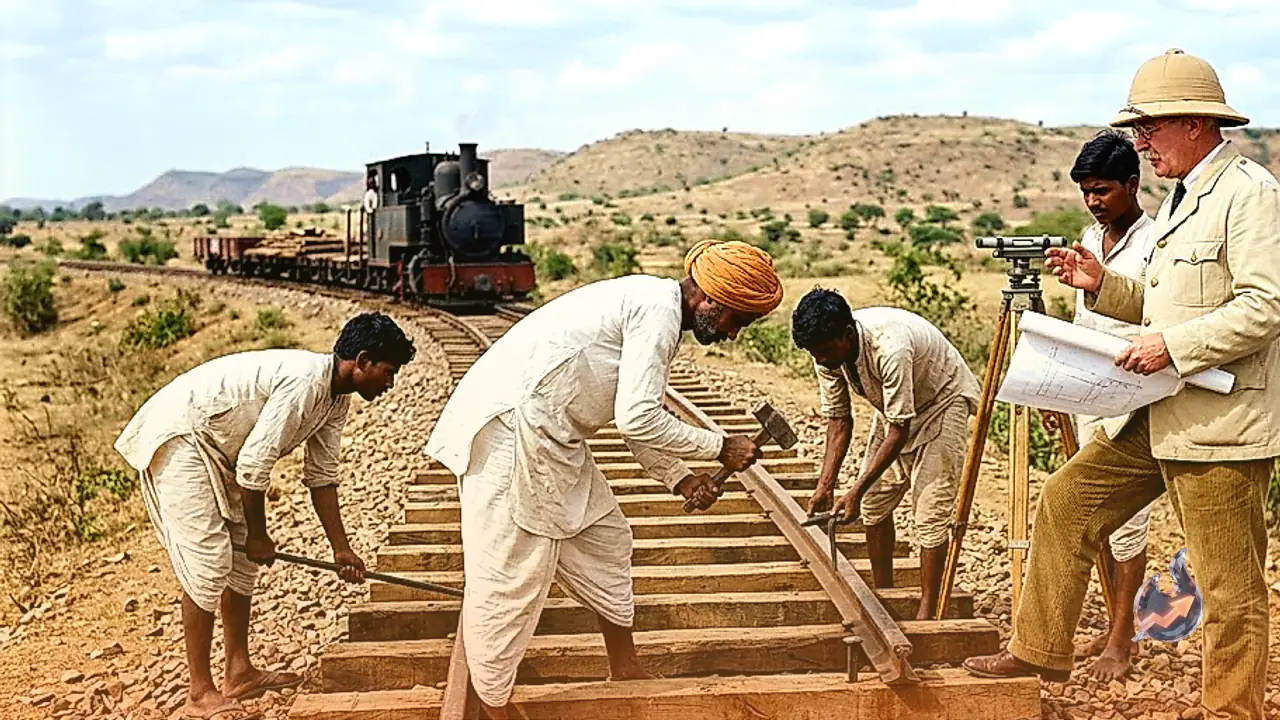

The origins of railway connectivity in the Shivpuri district of Madhya Pradesh are deeply intertwined with the royal heritage of the princely era. Just a few decades after India's pioneer train embarked on its historical run between Mumbai and Thane on 16 April 1853, the Gwalior State embarked on establishing its own narrow-gauge rail network. Under the visionary administration of Maharaja Madhavrao Scindia I, who ruled the Gwalior kingdom from 1886 to 1925, conceptualization and construction of a dedicated 2-foot narrow-gauge line connecting Gwalior to Shivpuri took shape between 1895 and 1899.
Royal Transport and Connection to the Summer Capital
The strategic motive behind developing the Gwalior to Shivpuri rail link was rooted in fulfilling administrative demands and providing luxurious transportation for the ruling Scindia dynasty. During that era, Shivpuri served as the official summer capital of Gwalior State. To escape the intense heat of the plains, the Maharaja, members of the Scindia royal family, and their distinguished guests routinely traveled from Gwalior to spend the summer months at the Madhav Vilas Palace and visit the royal Scindia Chhatris. To ensure smooth, comfortable transit for royalty, this specific line was commissioned. When the first coal-fueled steam train pulled into Shivpuri in 1899, its services were initially reserved exclusively for the royal entourage.
A Scenic 125-Kilometer Journey Taking Seven to Eight Hours
Powered by coal and steam engines, this historic narrow-gauge train pulled a limited composition of just 7 to 8 wooden coaches. Traversing a total distance of approximately 125 kilometers between Gwalior and Shivpuri, the train operated at a very relaxed, leisurely pace. The entire trip took anywhere between 7 and 8 hours to complete. Passing directly through lush forest tracts, rolling green hills, and scenic mountain valleys, the slow-moving journey offered passengers an exceptionally captivating and tranquil travel experience through nature.
Evolving into a Vital Lifeline for Local Trade and Passengers
As decades passed, the state opened the royal train line to general commuters and local business owners. Senior residents in Shivpuri's historic commercial markets fondly reminisce about taking rides on this steam train during their early childhood. In those years, given the low regional population density, primarily prominent town figures and merchants traveled to Gwalior on business. The train gradually grew into the principal freight corridor for merchants bringing essential goods, raw materials, and commercial stock into Shivpuri, cementing its reputation as the essential lifeline of the region.
Modern Broad-Gauge Transition and Enduring Nostalgic Memories
Following the rapid modernization of Indian Railways and the systematic expansion of broad-gauge networks across the nation, this vintage coal-fired narrow-gauge operation was permanently decommissioned about 35 to 40 years ago, spanning the decade between the 1980s and 1990s. While fast, modern broad-gauge passenger trains now rumble through Shivpuri today, elderly citizens still hold fond, vivid memories of the historic chuk-chuk steam train that once anchored the cultural and economic life of the region.