





















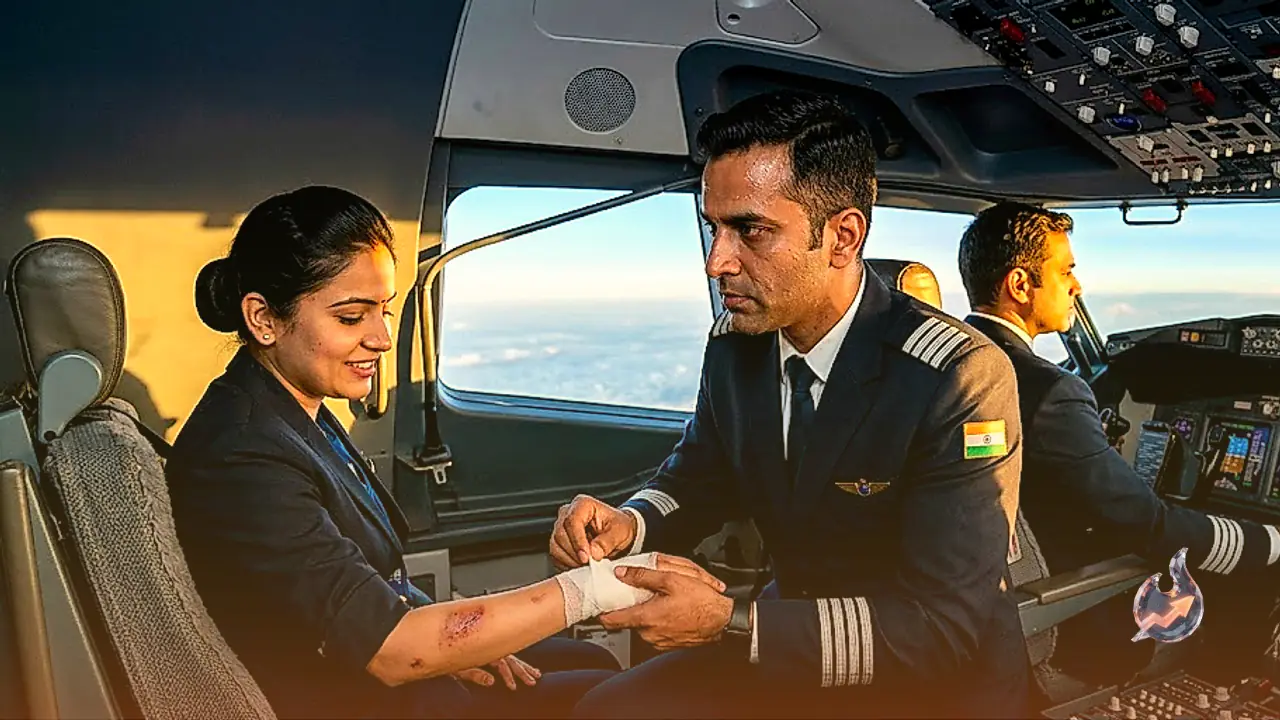

When an unexpected catastrophe strikes an aircraft cruising thousands of feet above the ground, panic erupts within seconds, leaving virtually no time to contemplate background, nationality, religion, or personal ties. In those defining moments of absolute vulnerability, only rare individuals willingly place their own survival behind the safety of those entrusted to their care. The annals of aviation history bear witness to two extraordinary Indian personnel, Neerja Bhanot and Captain Smit Machchhar, who faced grave danger decades apart yet displayed the exact same spirit of selfless responsibility and courage.
The Hijacking of Pan Am Flight 73 and Neerja Bhanot's Valor
This remarkable legacy of courage began on September 5, 1986, when Pan Am Flight 73 was hijacked by armed terrorists during a stopover at Karachi airport. With hundreds of passengers trapped inside the cabin, the situation rapidly turned precarious. Amid the escalating tension, Senior Flight Purser Neerja Bhanot took charge with extraordinary composure and valor.
Following the departure of the cockpit crew, the immense burden of ensuring passenger survival fell directly upon Neerja and her cabin team. When the hijackers demanded the collection of all passports to single out specific targets, she quickly deduced the danger to American citizens and secretly withheld their documents from the terrorists. As tensions inside the cabin boiled over into gunfire, she guided desperate travelers toward emergency exits rather than fleeing herself. While shielding terrified passengers and young children, she sustained fatal bullet wounds and lost her life. For her supreme bravery, the Indian government posthumously honored her with the Ashoka Chakra, while Pakistan also recognized her humanitarian courage with the Tamgha-e-Insaaniyat.
Captain Smit Machchhar's Grit Aboard Flydubai
Four decades later, aviation faced another harrowing test of grit on September 30, 2026. A flydubai flight operating between Dubai and Tel Aviv turned into an alarming crisis when violence erupted within the confines of the flight deck itself. Indian Captain Smit Machchhar was allegedly attacked with a knife by his own co-pilot. Despite suffering severe physical injuries in the assault, Captain Smit remained completely steadfast in his operational duty toward the 174 souls on board.
Working alongside passengers who stepped in during the crisis, the crew averted what could have been a catastrophic aviation disaster. Decisive emergency protocols were executed, redirecting the aircraft for an unscheduled diversion to Tabuk in Saudi Arabia, where it touched down safely. Following the successful landing, Captain Smit was rushed to a local hospital for urgent medical attention, where his condition was subsequently confirmed to be stable.
Bridging Four Decades Through Unwavering Dedication
Approximately 40 years separate the ordeal faced by Neerja Bhanot in Karachi from the airborne assault weathered by Captain Smit Machchhar. The nature of each crisis was distinctly different: Neerja confronted heavily armed hijackers holding an entire cabin hostage, whereas Captain Smit faced an unexpected threat emerging from his trusted colleague inside the cockpit. Despite these operational differences, both individuals shared an unshakeable ethos: placing the safety of their passengers above their own survival.
While Neerja's story culminated in supreme sacrifice and martyrdom, Captain Smit's resilience ensured that a crippled flight deck landed securely, allowing him to survive the harrowing ordeal. Their courage demonstrated that true heroism is not confined to military battlefields; it thrives within the pressurized confines of a civil airliner where split-second decisions preserve dozens of human lives.