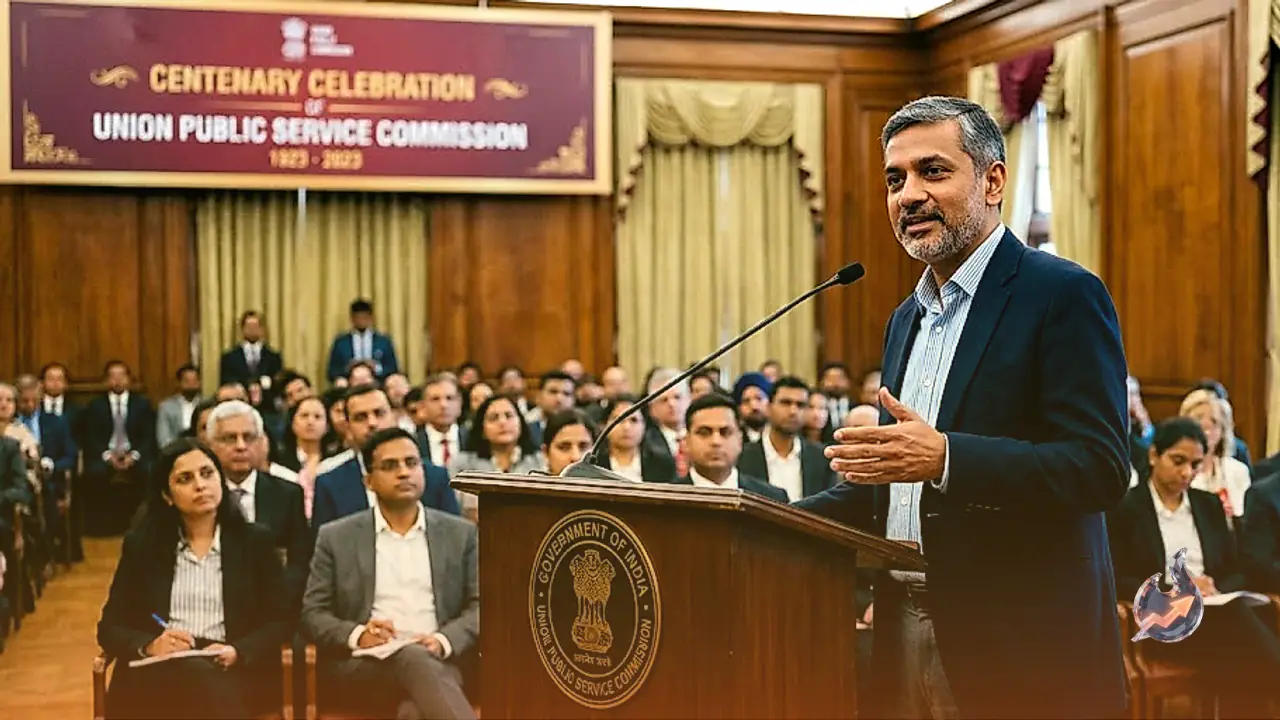





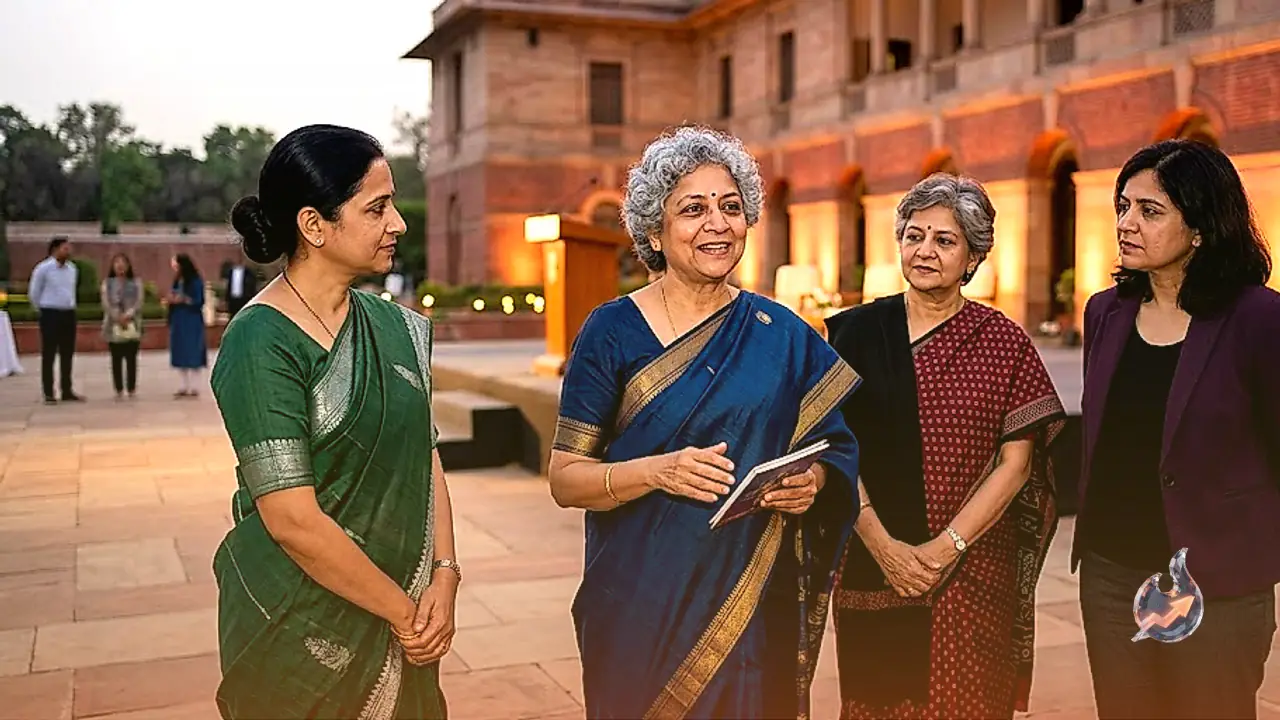














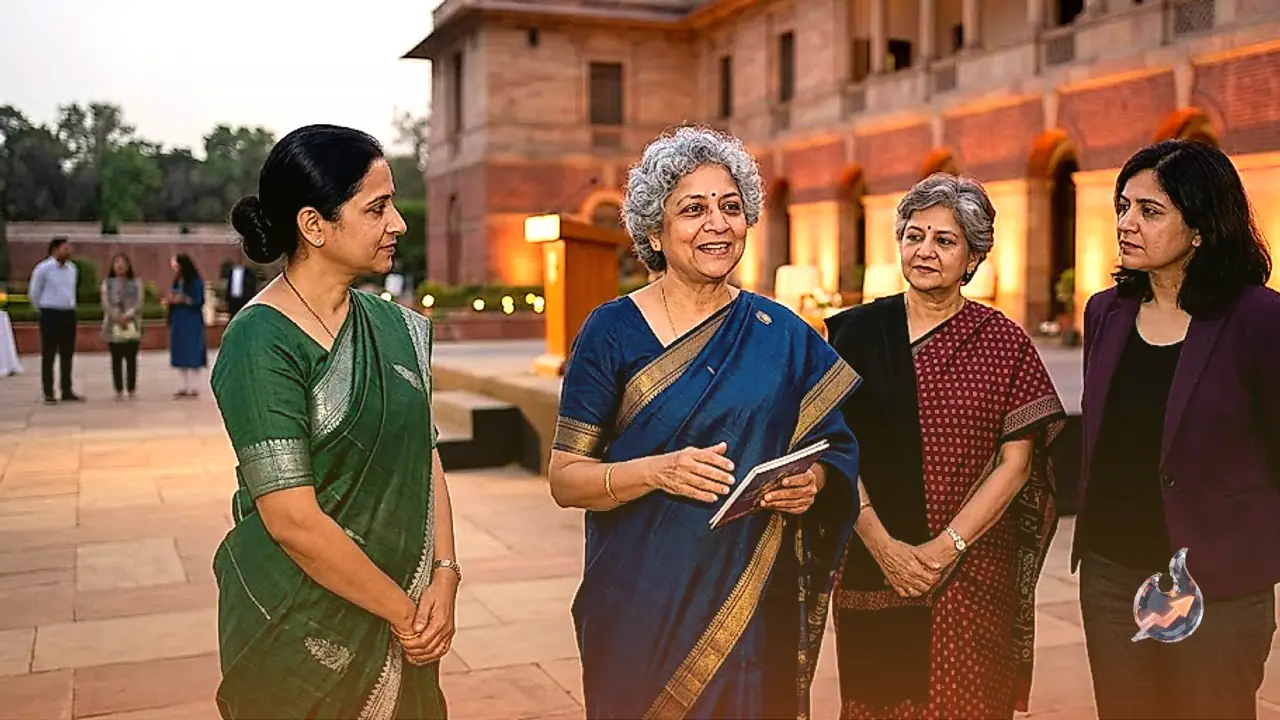

Across the century-long trajectory of the Union Public Service Commission, the constitutional body responsible for selecting India's highest administrative and civil leadership, representation at the very apex has witnessed a historic transition. Marking the centenary year of the commission, Prime Minister Narendra Modi pointed out a compelling statistic from its institutional journey: throughout its hundred-year history, only four women have ever held the position of chairperson. Significantly, three of these four appointments took place after the year 2014. This milestone underscores a gradual yet distinct shift in governance, demonstrating how women have increasingly been placed in top decision-making positions within India's premier public testing and recruitment authority.
From British Imperial Origins to Constitutional Autonomy
The foundations of the Union Public Service Commission were established under British rule in 1926. In those early decades, qualifying for the civil services was considered a formidable, nearly insurmountable challenge for Indian candidates. Following independence, the constitutional framework revitalised the institution, entrusting it with the responsibility of recruiting the core machinery of the Indian state, including the Indian Administrative Service and Indian Police Service. While countless officials graduated through its competitive examinations to lead districts and national ministries, the opportunity to head the commission itself remained confined to a select cadre of experienced administrators. Historical records reveal that the chairperson seat was overwhelmingly occupied by men. Nonetheless, the few women who broke this barrier set lasting standards for organizational integrity, disciplinary rigor, and administrative competence.
Rose Millian Bathew: Breaking the Glass Ceiling from the Northeast
The historic precedent of a woman heading the commission was first established in 1992, sixty-six years after the organization came into being. Rose Millian Bathew Kharbuli, hailing from northeastern India, was appointed as the commission's first woman chairperson. She assumed charge on 23 September 1992 and continued in office until 23 August 1996, steering the recruitment body through an important four-year transitional period.
Rose Millian Bathew completed her undergraduate studies in Economics at Lady Shri Ram College for Women, followed by a Master's degree in the same discipline from the University of Delhi. Supported by exceptional academic grounding and administrative leadership, her rise to the national stage offered a landmark example not only for Meghalaya and the Northeast but for aspiring women across the country. Her tenure continues to be respected for upholding strict institutional discipline, transparency, and uncompromising neutrality in public service selections.
Rajni Razdan: Pioneering Leadership in the Post-2014 Landscape
Among the three female chairpersons appointed since 2014 referenced by the Prime Minister, the first to assume office was Rajni Razdan. A 1973-batch Indian Administrative Service officer from the Haryana cadre, Rajni Razdan took the oath of office as chairperson on 16 August 2014. Prior to her elevation, she had already gained deep familiarity with the commission's internal processes, having served as a member since 2008.
Rajni Razdan built a distinguished career across both central and state administrations. At the central level, she served as Secretary in the Department of Administrative Reforms and Public Grievances, as well as Secretary in the Department of Pension and Pensioners' Welfare, alongside holding multiple leadership assignments in the Haryana state government. Widely acknowledged for an upright and rigorous approach to governance, her tenure as chairperson concluded in November 2014. Despite its relatively short span, her appointment inaugurated a renewed phase of female leadership at the commission's apex.
Alka Sirohi: Institutional Governance and Transparency
The legacy of high-level administrative stewardship continued with Alka Sirohi, a 1974-batch IAS officer from the Madhya Pradesh cadre. She was appointed chairperson of the commission in September 2016. Much like her predecessor, Alka Sirohi brought direct institutional experience to the office, having previously served as a member of the commission.
Over several decades of public service, Alka Sirohi managed complex responsibilities across prominent ministries in the Union Government and state departments. Her administrative style was defined by procedural discipline, objective judgment, and high standards of transparency. Her appointment reinforced the capacity of seasoned female civil servants to direct large-scale statutory selection mechanisms with precision and independence.
Preeti Sudan: Managing Public Health Crises to the Commission Chair
In 2024, the administrative sphere witnessed another significant appointment when Preeti Sudan, a 1983-batch IAS officer, was named chairperson of the Union Public Service Commission. Originating from Haryana and belonging to the Andhra Pradesh cadre, Preeti Sudan became the fourth woman in the commission's total history and the third since 2014 to take charge of the institution.
Educated at the London School of Economics, Preeti Sudan carried an extensive record of executive governance before her appointment. She held prominent portfolios including Union Health Secretary, Secretary in the Department of Food and Public Distribution, and key assignments in the Ministry of Defence. Her strategic coordination as the nation's top health bureaucrat during the early, critical phases of the COVID-19 pandemic remains a major milestone of public policy execution. Furthermore, she played a vital operational role in launching and scaling national flagship programmes such as Beti Bachao Beti Padhao and the Ayushman Bharat healthcare initiative.
Broadening Representation and the Future of Civil Services
Beyond full-term chairpersons, women administrators have also contributed as members and acting heads throughout various transitional phases of the commission. Since 2014, broader governance initiatives have increasingly emphasized gender-neutral leadership opportunities, encouraging greater female participation in statutory and administrative authorities.
This shift at the peak of the institutional hierarchy mirrors an equally notable evolution among aspirants taking the civil services examination itself. Over recent years, women candidates have frequently secured top ranks in the final selection lists, demonstrating excellence across general and specialized services. The presence of four pioneering women at the helm of the commission across its first century marks a meaningful institutional transition, signaling changing benchmarks for administrative leadership in India.