






















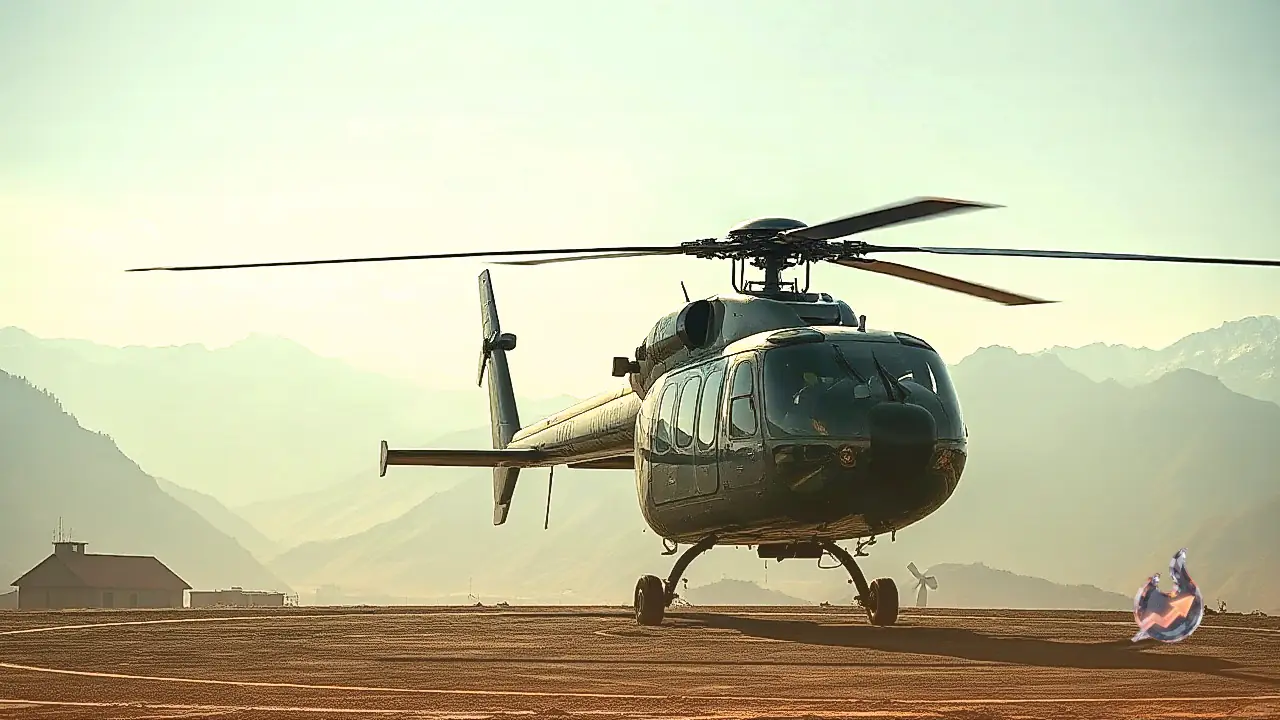

Demonstrating high operational readiness in extreme mountain terrain, the Indian Air Force executed a vital medical evacuation operation in Ladakh. A 56-year-old American Overseas Citizen of India cardholder encountered a critical medical emergency at an elevation of nearly 15,000 feet in the remote Phayang Valley. Given the harsh climate and severe geographical constraints, reaching the location via surface transport was virtually impossible within the required timeframe. Recognizing the urgency of the situation, the Indian Air Force launched an immediate aerial rescue mission utilizing its Cheetah helicopter.
Severe Environmental Challenges in Phayang Valley
The high-altitude landscape of Ladakh presents formidable hazards, characterized by plummeting oxygen levels, volatile atmospheric shifts, and steep topography. At an altitude of 15,000 feet, reduced atmospheric pressure poses serious health risks, particularly during sudden medical episodes. The terrain around Phayang Valley is marked by glaciers and rugged mountain slopes, making overland movement dangerously slow. When the 56-year-old American OCI cardholder required immediate medical attention, relying on ground evacuation could have led to life-threatening delays, leaving an aerial evacuation as the only viable alternative.
Precision Operation by the IAF Cheetah Helicopter
Upon receiving notification of the emergency, the Indian Air Force selected the Cheetah helicopter, an aircraft renowned for its agility and performance in high-altitude environments. The primary hurdle of the rescue operation was achieving a safe touchdown amid extremely constrained ground space. Surrounded by glacial formations and uneven terrain, the viable landing area was exceptionally narrow. Navigating thin air densities and unpredictable wind drafts, the IAF pilots demonstrated exceptional flight discipline, maneuvering the helicopter to a precise touchdown without compromising safety.
Air Evacuation to Leh for Urgent Care
Following the successful touchdown, the flight crew promptly loaded the patient into the aircraft. The Cheetah helicopter lifted off without delay and transported the individual to Leh, where comprehensive medical facilities were prepared to administer urgent care. This timely air movement turned a high-risk scenario into a successful recovery effort, underscoring the indispensable function of military air transport during isolated medical emergencies.
Growing Importance of Aerial Lifelines in High-Altitude Regions
With adventure tourism, trekking, and mountain expeditions expanding across Ladakh, the frequency of altitude-related health emergencies has steadily risen. In remote frontier regions, the quick response capability, tactical decision-making, and flight expertise of the Indian Air Force serve as a vital lifeline. Executing a demanding landing at 15,000 feet in a restricted zone once again highlights the technical proficiency and unwavering readiness of the IAF in critical search and rescue roles.