



















Severe national security concerns have emerged within the Indian defense apparatus following allegations that Indian Air Force Wing Commander MS Sabharwal shared highly sensitive military intelligence and strategic drone operation plans with an enemy intelligence operative. The alleged espionage transactions involved demands for monetary compensation along with private photographs. Detailed findings from the investigation reveal that the officer breached strict military protocols by transmitting classified war strategies, unit organizational data, and tactical trial recordings. This breach compromises years of strategic defense preparations, particularly affecting unmanned aerial vehicle operations and front-line deployment protocols.
Leak of Classified War Plan Page and Compromise of Strategic Sites
Official investigation documents indicate that Wing Commander MS Sabharwal uploaded and transmitted a full page of a top-secret operational war plan belonging to his deployed unit to a foreign intelligence contact, identified in the inquiry as a Public Information Officer. The accused officer reportedly leveraged this initial document transmission to request additional personal photographs while offering to provide further pages of the classified file if requested. The exposed page contained precise details regarding two strategic military deployment locations that had been carefully designated for wartime operations.
The identification and final selection of these two operational sites represented a complex, resource-intensive endeavor spanning five years of dedicated military planning. Defense strategists had chosen these specific locations based on optimized conditions for maintaining uninterrupted communication networks and maximizing the operational range of drone control systems. However, with their geographic coordinates and tactical significance now compromised to hostile intelligence, defense authorities confirm that these sites are rendered entirely unusable for their intended operational objectives. Consequently, military planners are forced to completely scrap the existing positioning strategy and begin formulating a fresh operational blueprint.
Exposure of Drone Unit Organizational Structure and Operational Capacity
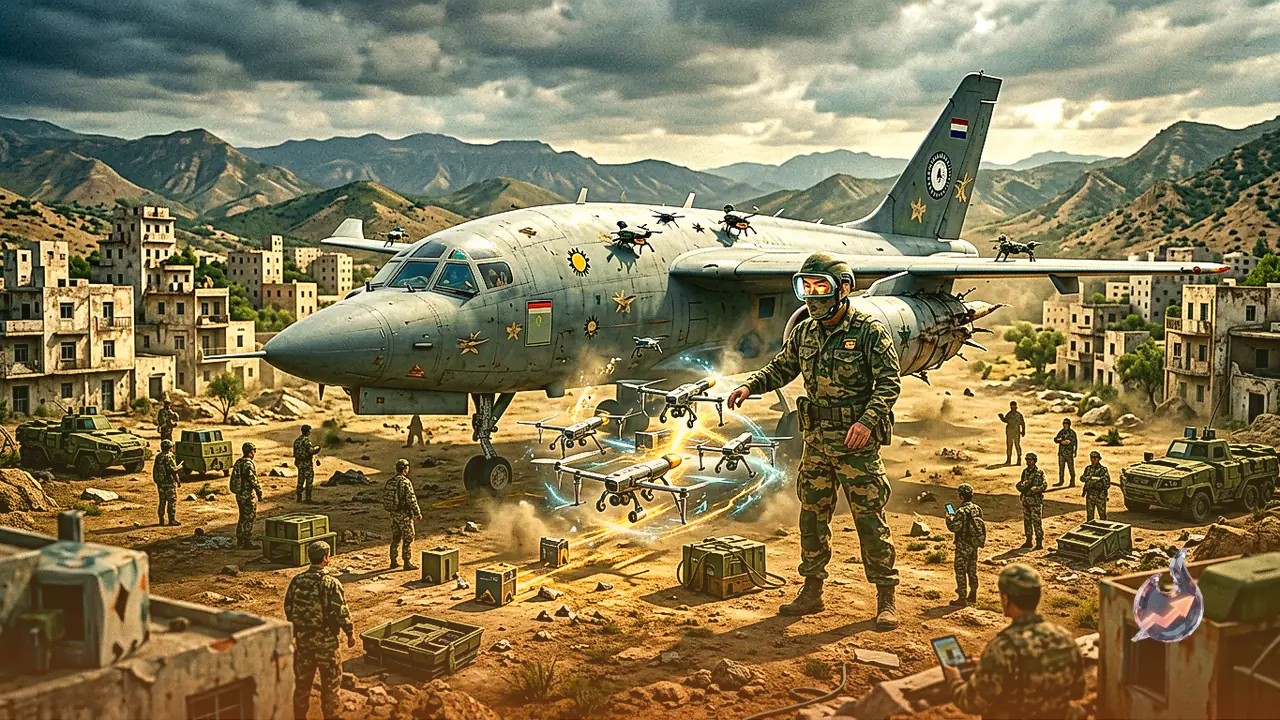
The ongoing probe further highlights that the leaked documentation disclosed the complete structural breakdown of the specialized drone unit. The compromised information detailed the exact personnel composition, revealing that the unit operates with 4 qualified pilots and 180 trained airmen. Furthermore, the documents outlined the unit's technical capability to control and deploy multiple unmanned aerial vehicles simultaneously during combat operations.
Military analysts emphasize that exposing precise workforce figures and equipment capabilities gives an adversary a profound tactical advantage. By knowing the exact number of pilots and ground technicians present at a designated base, hostile intelligence can accurately calculate operational endurance, rotation schedules, and potential fatigue limits. Such granular data severely weakens both defensive resilience and offensive readiness during active military engagements.
Unauthorized Filming of Firing Trials and Performance Metrics Leak
The scope of the alleged espionage extended beyond paper documentation into live tactical execution. Investigation reports reveal that MS Sabharwal used a personal digital device to record video footage of live drone firing trials conducted within a restricted exercise area. This act constituted a direct violation of established military security protocols, which strictly prohibit the entry and usage of non-authorized personal electronic devices inside classified testing ranges.
The recorded video footage was subsequently transmitted to the foreign intelligence operative. These video clips contained sensitive real-time performance parameters of the unmanned aircraft systems. Alleged communication records indicate that the officer explicitly disclosed the precise time duration elapsed from initial drone launch to target impact. This specific metric provided the adversary with exact insights into the flight speed, fuel efficiency, and overall endurance capabilities of the Indian drone fleet.
Compromise of Targeting Protocols, Coordinates, and Command Operations
Investigative findings also allege that Sabharwal shared detailed information regarding the drone unit's targeting methodologies and command-and-control procedures. The transmitted data explained the exact mechanism by which target coordinates are relayed from command headquarters to the unmanned aircraft during active missions. Additionally, the officer provided details regarding the unit's rapid-launch capabilities, detailing how quickly aircraft could be readied and launched during emergency scenarios.
Defense intelligence experts warn that such detailed operational knowledge allows adversarial forces to develop highly effective electronic and tactical countermeasures. Understanding how target coordinates are transmitted enables hostile units to deploy targeted signal jamming, GPS spoofing, or radar evasion systems. Furthermore, investigation records show that the foreign contact specifically instructed the officer to delete the transmitted video files from his personal device immediately after sending to prevent forensic detection.
Strategic Setback to Air Defense Infrastructure and Ongoing Investigation
Senior intelligence officials view the compromise of these strategic locations and operational protocols as a major blow to national security infrastructure. Undoing five years of meticulous site selection and exposing real-time command mechanisms forces the Indian Air Force to execute a comprehensive re-evaluation of its front-line defense postures. Military authorities must now identify new deployment zones, re-assign operational frequencies, and overhaul command-and-control communications.
Digital records of communications between the accused officer and the foreign agent depict a structured espionage pipeline, where critical defense secrets were progressively traded for financial gains and personal media. What began with initial exchanges expanded to encompass unit compositions, trial footage, targeting protocols, and core war plans. The joint investigation by military and civilian intelligence agencies remains active, with further details expected as the inquiry advances.