
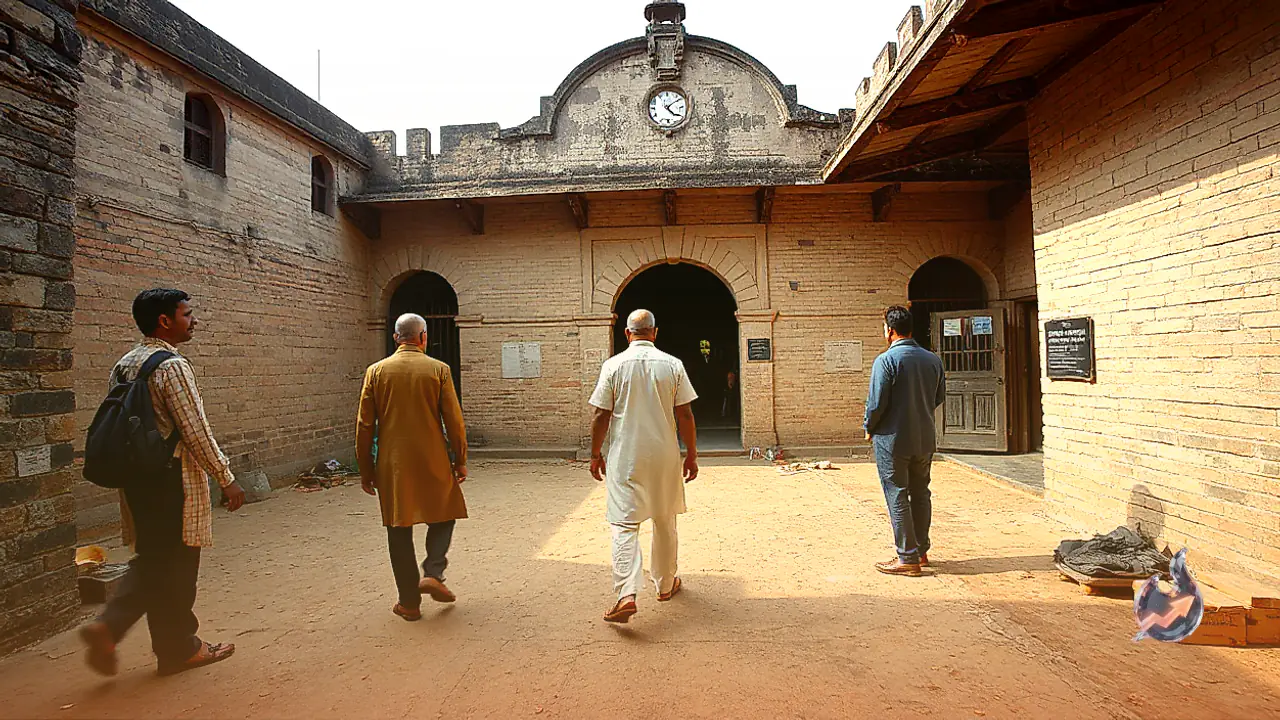





















In the aftermath of the tragic death by suicide of 20-year-old BTech student Sahil Wakode, the administration at the Indian Institute of Technology Bombay has initiated a comprehensive overhaul of campus safety and student mental health mechanisms. The distressing incident sent shockwaves through academic circles nationwide, prompting urgent scrutiny of student well-being, isolation, and academic stress within premier engineering institutions. Rather than limiting the response to routine statements, administrative officials have moved swiftly to formulate and roll out structural interventions designed to alleviate emotional distress across the student body.
To establish direct dialogue with learners, the institute recently organized an extensive open house session where administrative representatives and students engaged in transparent discussions. The forum centered on examining specific proposals to lessen academic strain, combat social isolation, and foster a more empathetic environment across residential zones. Institutional authorities stressed that these deliberations are aimed at executing concrete, ground-level policy changes rather than remaining theoretical declarations.
Revising Residential Guidelines Toward Twin-Sharing Accommodation
One of the central structural shifts currently under evaluation involves a complete reconfiguration of the hostel allocation framework. Under the traditional system operating on campus, shared room accommodations were primarily reserved for first-year entrants, after which senior students were routinely assigned individual single-occupancy rooms. The institute is now planning to revise this practice, preparing a twin-sharing blueprint for upcoming hostel construction projects where two students share each room.
Furthermore, authorities are exploring the feasibility of extending this two-student room model to current senior batches as well. Mental health professionals have frequently observed that prolonged solitude in private quarters can exacerbate feelings of loneliness, alienation, and acute depression. Having a roommate provides built-in interpersonal contact, enabling peers to notice warning signs, exchange personal feelings, and provide mutual psychological reassurance during challenging periods.
Expanding Counseling Shifts and Subsidizing External Consultations
Placing student mental health at the forefront of campus operations, the administration has significantly broadened the availability of psychiatric and counseling services. Following the tragic event, the Dean of Student Affairs issued an official communication notifying the student community that counseling hours have been extended across 6 primary hostels as well as at the dedicated Student Wellness Centre. This measure ensures that professional guidance remains readily accessible whenever an urgent psychological intervention is needed.
In parallel, the administration reaffirmed its policy guaranteeing that students who prefer consulting external mental health professionals or specialized private agencies off-campus may do so freely. The entire financial expenditure incurred for such outside counseling sessions will be completely borne by the institute. Scholars are being actively encouraged to access these resources in coordination with their designated faculty mentors without fear of judgment or financial burden.
Engaging Faculty Mentors and Clinical Experts for Broad-Based Input
To ensure that remedial policies accurately address the ground reality, institutional leadership has broadened its consultative perimeter beyond administrative desks. Digital survey forms were circulated among professors and academic staff members to harvest constructive recommendations on reducing academic and residential pressure. Multiple rounds of consultative deliberations have taken place across individual academic departments and institute-level bodies, synthesizing expert psychological perspectives with academic oversight to build a healthier campus ecosystem.