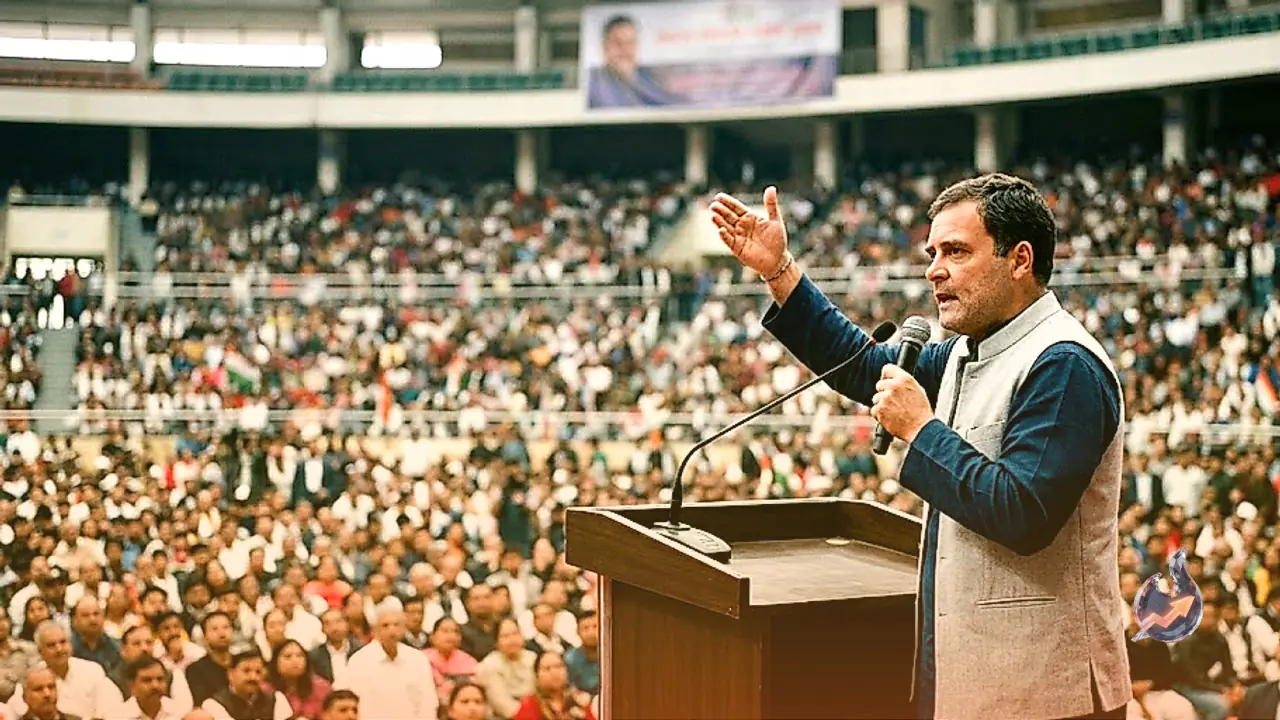























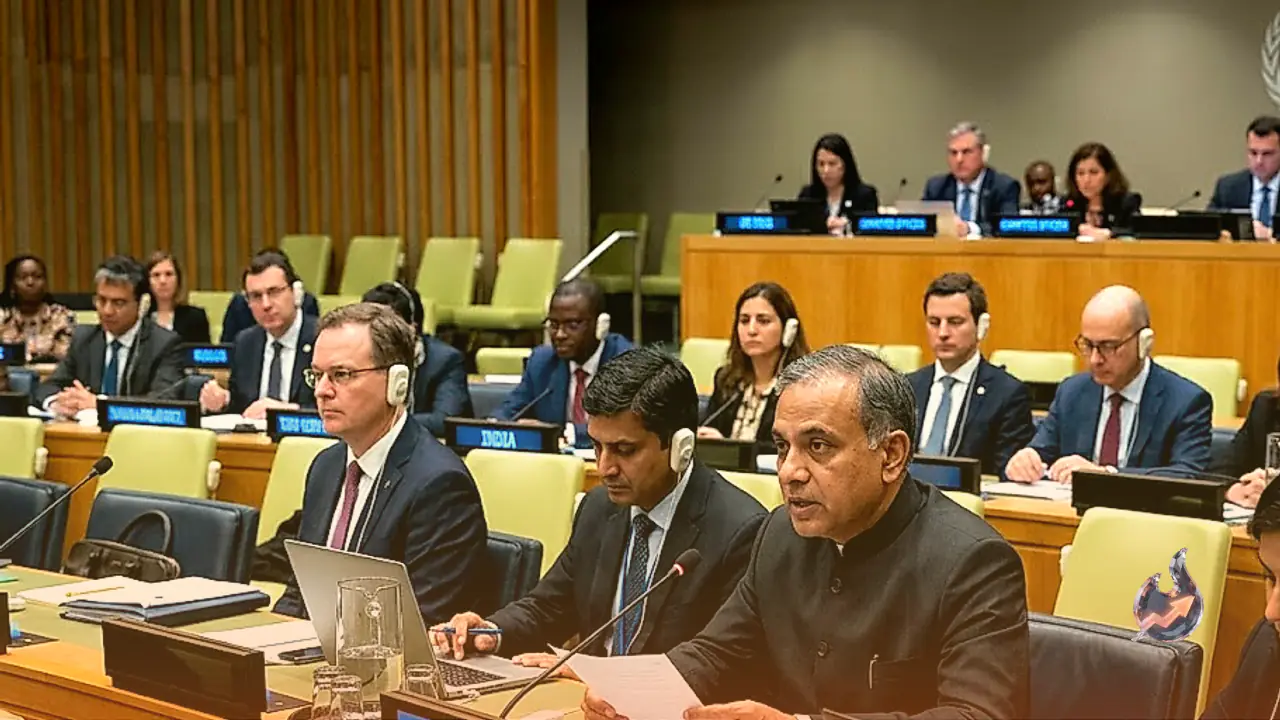

India delivered an uncompromising call for international legal accountability against state-backed terrorism during a session of the United Nations General Assembly's Sixth Committee, which oversees legal affairs. Speaking on Tuesday, Indian parliamentary delegate, BJP MP, national general secretary, and former chief minister of Tripura Biplab Kumar Deb emphasized that the perpetrators, financiers, organizers, and sponsors of cross-border terrorism must be brought to justice. Crucially, the address called for the immediate conclusion and formal adoption of the Comprehensive Convention on International Terrorism, known as CCIT, which has remained blocked on the global stage for three decades.
Accountability for the Pahalgam Massacre
The address specifically spotlighted the brutal terrorist attack carried out in Pahalgam last year, an atrocity that resulted in the deaths of 26 innocent civilians. The Resistance Front, an operating proxy of the Pakistan-based terrorist outfit Lashkar-e-Taiba, had claimed responsibility for the carnage. Emphasizing the gravity of the incident, the Indian delegate insisted that every individual and network behind the bloodshed, from logistical plotters and ideological backers to the financial sponsors facilitating such strikes, must face full legal consequences without exception.
Sovereign Defense Against State-Sponsored Networks
India identified Pakistan as a state sponsor of cross-border terrorism, pointing out that following the Pahalgam killings, responsive punitive action was taken directly against terrorist bases operating under protective patronage across the border. Addressing the assembly, Deb firmly reaffirmed India's sovereign and legitimate prerogative to defend its citizens against externally orchestrated attacks, reiterating that safeguarding domestic security against cross-border violence is non-negotiable.
Ending the Three-Decade Deadlock on the CCIT Draft
The Comprehensive Convention on International Terrorism was initially proposed by India in 1996 to establish an overarching, legally binding global anti-terror treaty. However, the convention has faced prolonged obstruction by a faction of states seeking to create a false distinction between so-called good and bad terrorists, arguing that self-styled freedom fighters should be exempted from legal accountability. Rebuffing such justifications, Deb asserted that terrorism permits no arbitrary distinction between good and bad, stating unequivocally that targeting unarmed civilians can never be rationalized under any circumstance.
Tackling Emerging Technologies and India's Six Strategic Priorities
India drew the committee's attention to the growing exploitation of cutting-edge technology by extremist networks. Terror entities increasingly utilize novel digital tools for recruitments, radicalization campaigns, propaganda distribution, mission planning, and raising operational capital. Countering this technological exploitation constitutes one of India's six cardinal priorities in the fight against extremism. The remaining priorities outlined before the assembly include severing terror financing, keeping victims at the core of legal remedies, building robust national capacities, dismantling extremist infrastructure, and dismantling the underlying ideological architecture that sustains terrorism.