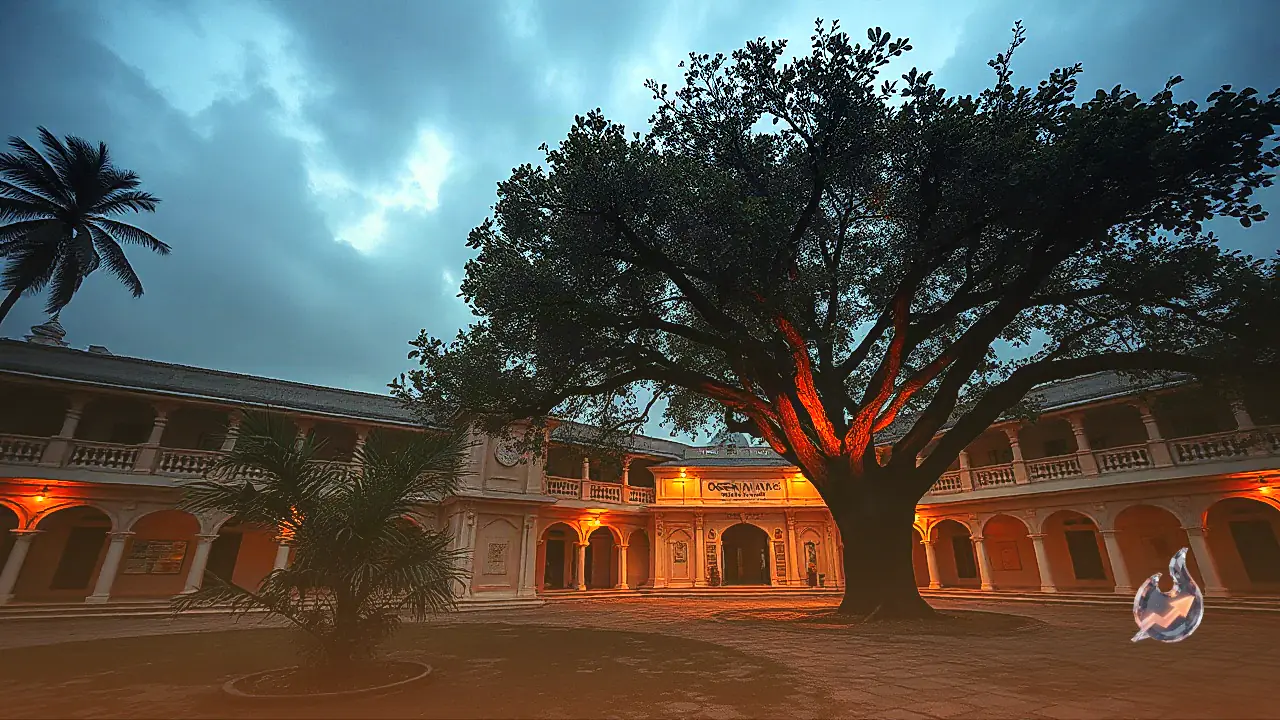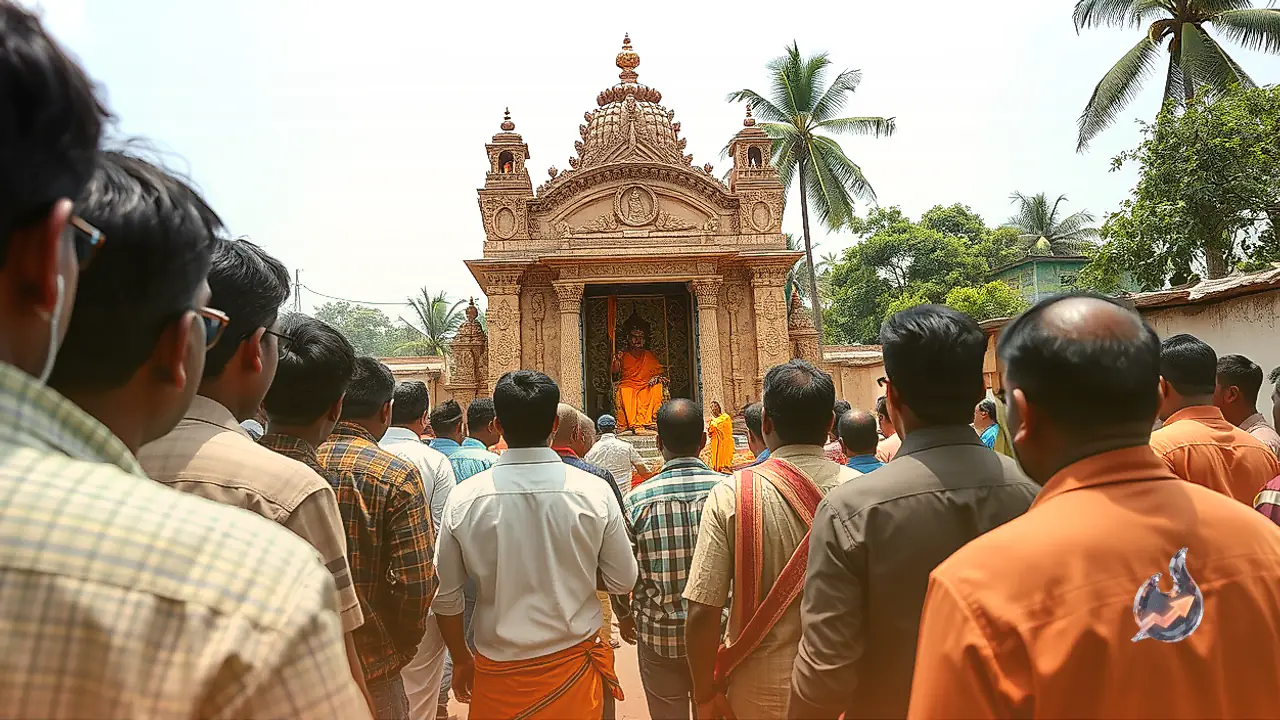























Situated in Janpahad village within Palakeedu mandal of Telangana's Suryapet district, the shrine of Hazrath Janpahad Saidulu Baba stands as an enduring emblem of communal harmony and shared cultural heritage. Built in memory of Hazrath Janpahad Saidulu Baba and Hazrath Moinuddin, this sacred site carries a history spanning approximately 400 years. A defining characteristic of this historical shrine is how completely social divisions and religious boundaries dissolve at its threshold. Located accessible from Hyderabad, the shrine reflects a rare synthesis of Sufi spirituality and traditional South Indian regional customs.
Blending Sufi Offerings with Coconut Breaking and Tonsuring
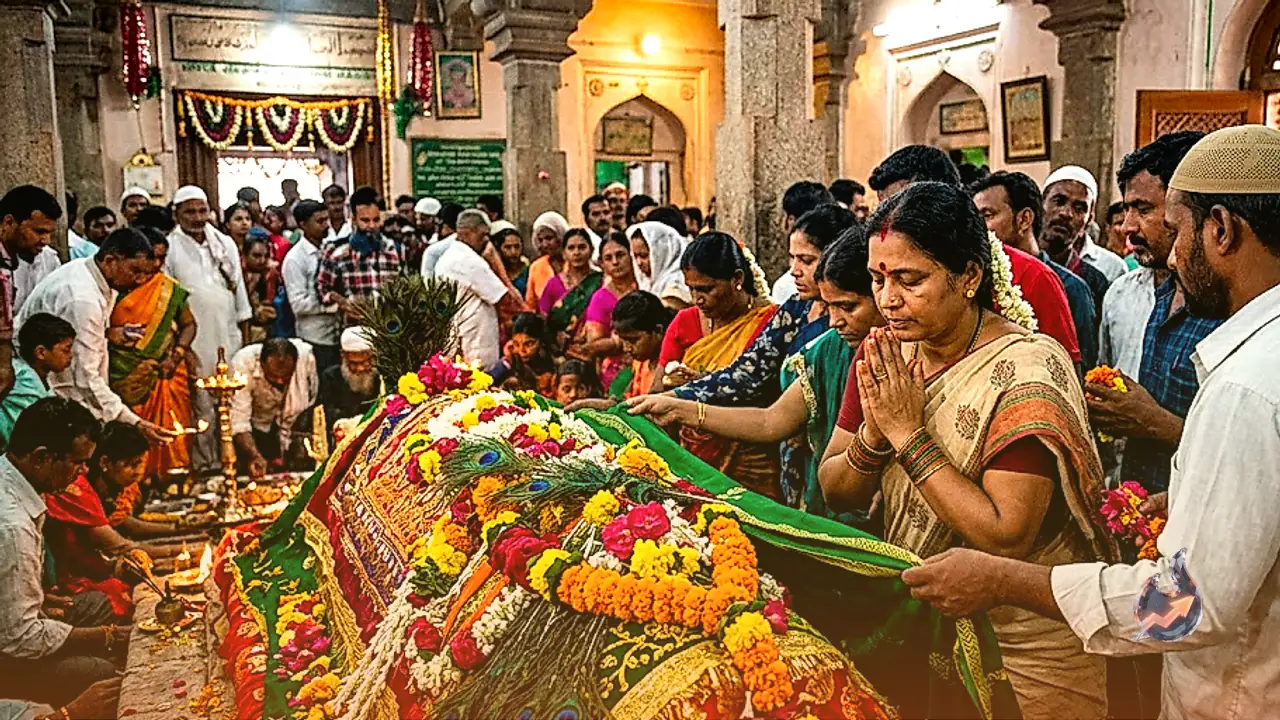
While Islamic shrines are conventionally associated with offering floral tributes and chador, the practices at Janpahad shrine incorporate local traditions in a distinctive manner. Devotees arriving here observe customary Sufi practices by presenting sandhal and chadors, but they also break coconuts in solemn prayer to make vows and express gratitude. Numerous families visit the premises to conduct the traditional tonsuring ceremony, known as mundan, for their young children after wishes are fulfilled. The grounds also host community feasts organized by thankful pilgrims, where people across varied walks of life sit together in common fellowship.
Massive Devotional Turnout During the Annual Three-Day Urs
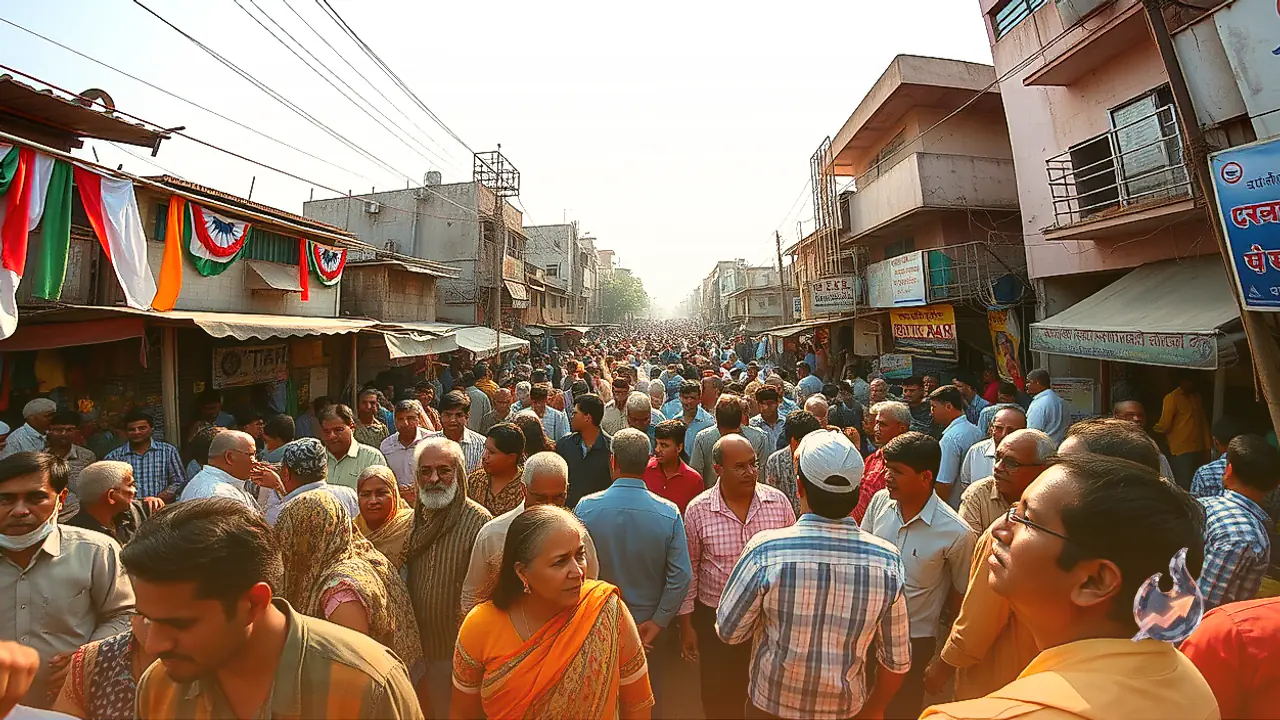
The spiritual atmosphere reaches its peak during the annual three-day Urs-e-Sharif celebrations, which draw massive gatherings from across the region. Hundreds of thousands of pilgrims travel from Telangana, neighboring Andhra Pradesh, and nearby states to participate in the festivities. A remarkable pattern observed during this annual gathering is that Hindu visitors often outnumber Muslim attendees among the assembled crowd. This natural convergence makes the shrine an exceptional showcase of shared regional faith operating without formal barriers.
Spiritual Solace and Shared Cultural Unity
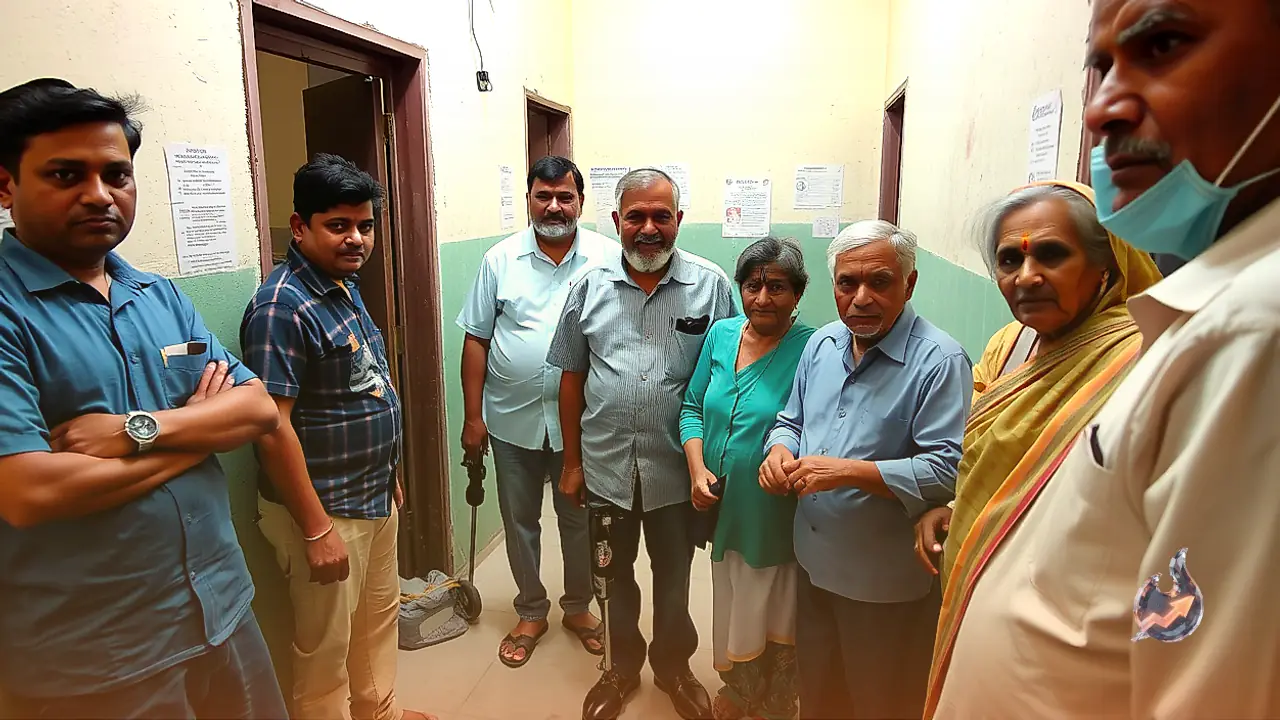
Throughout the festival, ceremonial observances include the sacred procession of Sandhal Sharif, the ritual bath known as Ghusl Sharif, and all-night qawwali sessions. Worshipers from every walk of life stand side by side throughout these rites in collective devotion. Pilgrims and local residents carry a deeply held conviction that heartfelt prayers made before the shrine never go unanswered. Individuals grappling with domestic struggles, emotional distress, or personal setbacks find a sense of solace upon visiting its entrance. In modern times, the shrine continues to foster social cohesion, mutual respect, and timeless humanitarian values.