



















Indian Railways is taking massive measures to ensure clean drinking water for millions of daily train passengers by deploying a new 'Tank-to-Tap' filtration system across thousands of station locations. This major infrastructural decision comes shortly after a comprehensive audit report by the Comptroller and Auditor General (CAG) raised serious concerns regarding drinking water quality and maintenance standards at several railway premises. Taking direct charge of the situation, Railway Minister Ashwini Vaishnaw chaired an all-day high-level review session with top administrators to formulate a concrete action plan aimed at eliminating contamination hazards across the nation's rail network.
Comprehensive Rollout of the Tank-to-Tap System
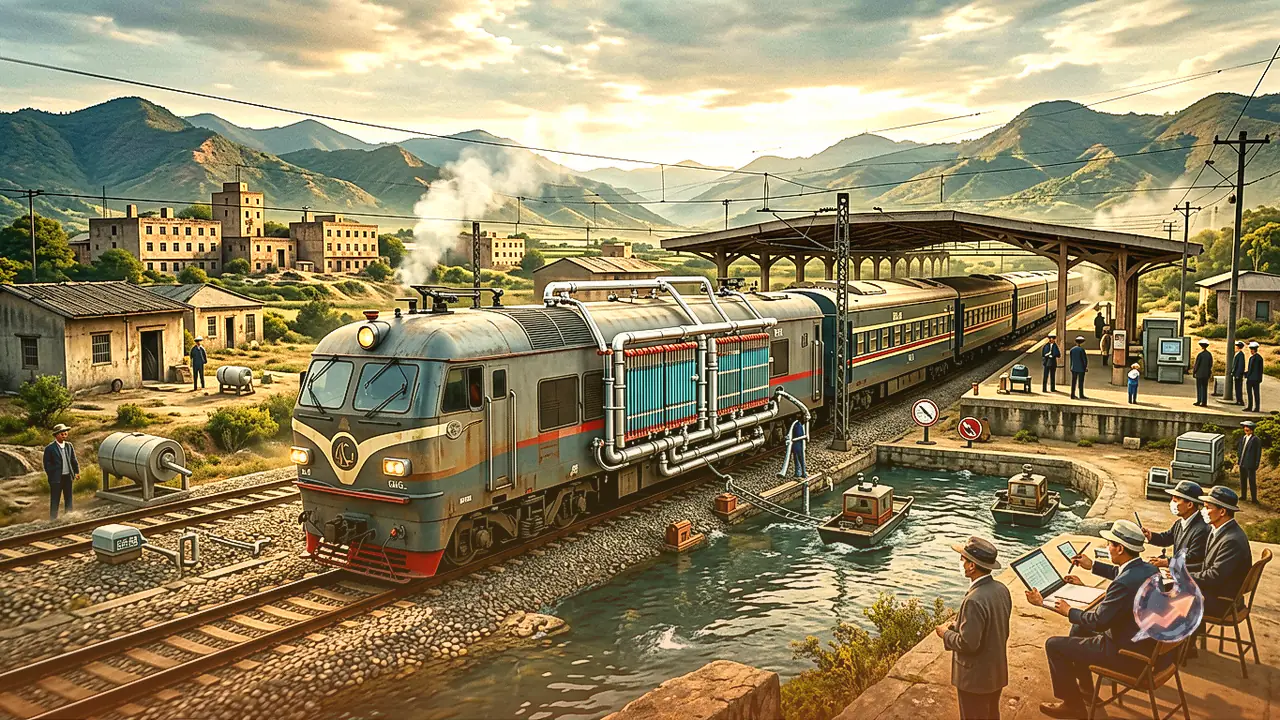
To directly address the issues identified in the audit findings, the rail administration has outlined a multi-phase implementation roadmap. Under this strategy, modern filtration units along with automated monitoring equipment will be set up at roughly 20,000 designated points in the initial phase. These designated installation sites will cover public drinking taps, station water coolers, and primary distribution lines where passengers directly access water. Following the successful deployment across these high-footfall locations, the scheme is slated to be extended progressively to encompass every single railway station throughout India. The ultimate objective is to ensure that passengers can consume station tap water without any hesitation or safety fears regarding contamination.
Replacing Degraded Infrastructure and Mandatory Maintenance
Beyond installing filtration units, the overhaul focuses on fixing the underlying storage infrastructure. Officials identified that aging and poorly maintained storage tanks were major contributors to deteriorating water quality. Consequently, the railway ministry has mandated the immediate replacement of all damaged, rusted, or dilapidated water tanks with fresh, high-grade storage containers across all facilities. Furthermore, strict protocols are being instituted to make regular tank cleaning and technical maintenance compulsory. Standard operating procedures will dictate fixed schedules for sanitization, ensuring that water stored at stations remains free from sediment, algae, or microbial growth.
Two-Tier Quality Control and High-Level Oversight
A central pillar of this initiative is a rigorous dual-stage testing mechanism designed to pinpoint the exact locations where water quality degrades. Quality assessments will be systematically conducted at both the primary intake source and at the final outlet taps. By comparing samples from the supply source against those taken from passenger-facing taps, technicians can immediately identify whether contamination is originating from municipal supply lines or internal station piping. To maintain high operational standards, the Railway Board will maintain direct centralized oversight over the entire operation, tracking filtration performance, cleaning logs, and sample testing results across all divisions.
Public Disclosure of Quality Data and Official Accountability
To build public trust and establish systemic accountability, the rail ministry is introducing transparent reporting measures. Clear responsibility will be fixed on designated regional officials and station authorities, ensuring swift action and strict penalties in cases of negligence or delayed maintenance. Additionally, Indian Railways plans to publish periodic water quality assessment reports directly to the public. These updates will allow passengers to verify the safety standards of drinking water provided at stations and review the tangible progress being achieved under the new filtration regime.