























In the twenty-first century, internet access has evolved into an essential requirement for daily life. From education and daily work to banking and booking train or bus tickets, the role of the internet has grown immensely. A landmark decision has now been delivered by the Supreme Court regarding this very medium. A bench comprising two judges has recognized internet access as a fundamental right, declaring that it applies to everyone, including children, under the provisions of the Constitution.
The Supreme Court made it clear that children cannot be entirely kept away from the internet under the guise of child safety. Justices J.B. Pardiwala and K. Vinod Chandran noted that children's safety and their freedom are not mutually exclusive and that they are entitled to both. This observation was made while issuing directives to strengthen mechanisms for identifying and removing Child Sexual Exploitation and Abuse Material (CSEAM) from online platforms.
Reference to Articles 21 and 19
The bench highlighted that the right to access the internet is protected under Article 21 and Article 19(1)(A) of the Constitution. Freedom of speech and expression encompasses not just the right to speak, but also the right to acquire information, understand ideas, and exchange knowledge. Describing the internet as a platform for ideas, creative expression, and information, the court emphasized its importance for both adults and children.
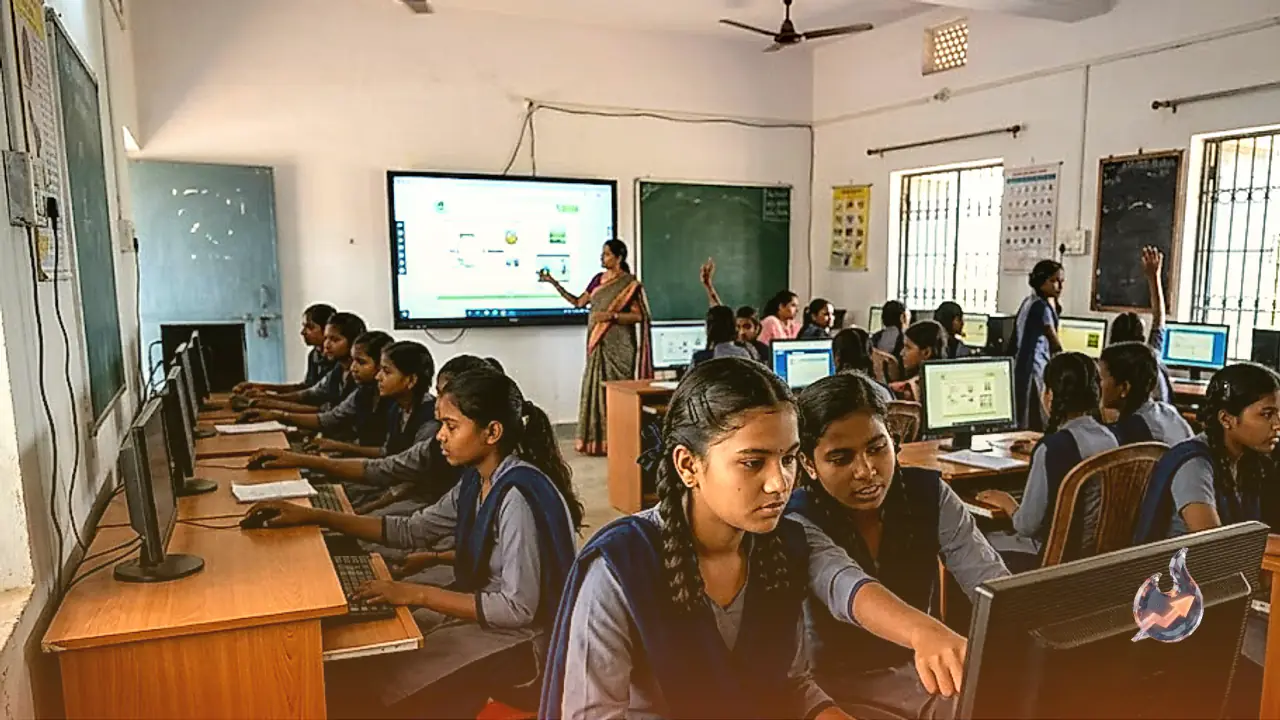
For many children living in remote areas, the internet serves as the only medium for learning and gathering information. Online forums are equally vital for children with special needs, allowing them to connect with peers in similar circumstances and find opportunities for friendship and communication. The bench acknowledged that the internet in its current form is not entirely safe for children. However, it ruled that depriving children of the internet due to the failure of social media companies and online services to curb harmful content is unjustified, equating it to blaming the victim rather than addressing the problem.
Opposition to Total Bans
The court cautioned that enacting laws to completely bar children from using the internet will not stop them from using it. Instead, they might gravitate towards unregulated websites and platforms where dangers are significantly higher. Such restrictions could also make children who face online bullying, enticement, or exploitation afraid to report incidents to parents or trusted adults. The bench termed a complete ban on children's internet access as disproportionate and adopted without sufficient evidence.
The court also raised concerns about the potential need to continuously verify users' ages and collect sensitive personal data when implementing age-gating restrictions. Such systems risk violating privacy, increasing surveillance, and leading to data misuse. Government policies must carefully weigh these security measures against individual rights.
Suggestion For A Child Mode
The Supreme Court clarified that it is not against age-appropriate safety measures for minors. The bench emphasized parental consent, guidance, and monitoring during social media usage. Furthermore, it suggested exploring the creation of a separate 'Child Mode' for children's accounts. Under this, children's accounts could be kept private by default, messages and contacts from unknown adults could be restricted, and advertisements and content shown to them could be controlled.
The court noted that these measures could be tailored keeping younger children in mind, leaving the detailed implementation plan to the central government. It also clarified that the government can restrict websites and services containing adult content that is inherently harmful to minors. Additionally, the Supreme Court ordered comprehensive measures, including the creation of a national database, to detect and remove online child sexual exploitation material.