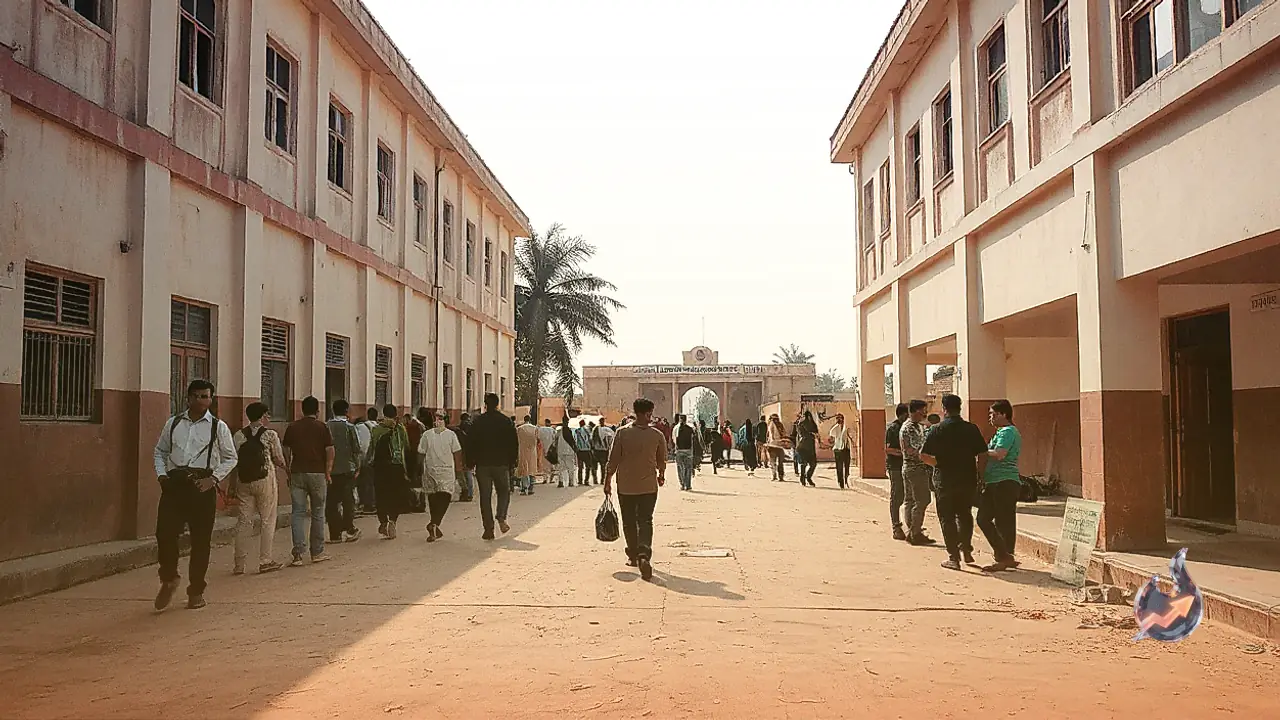


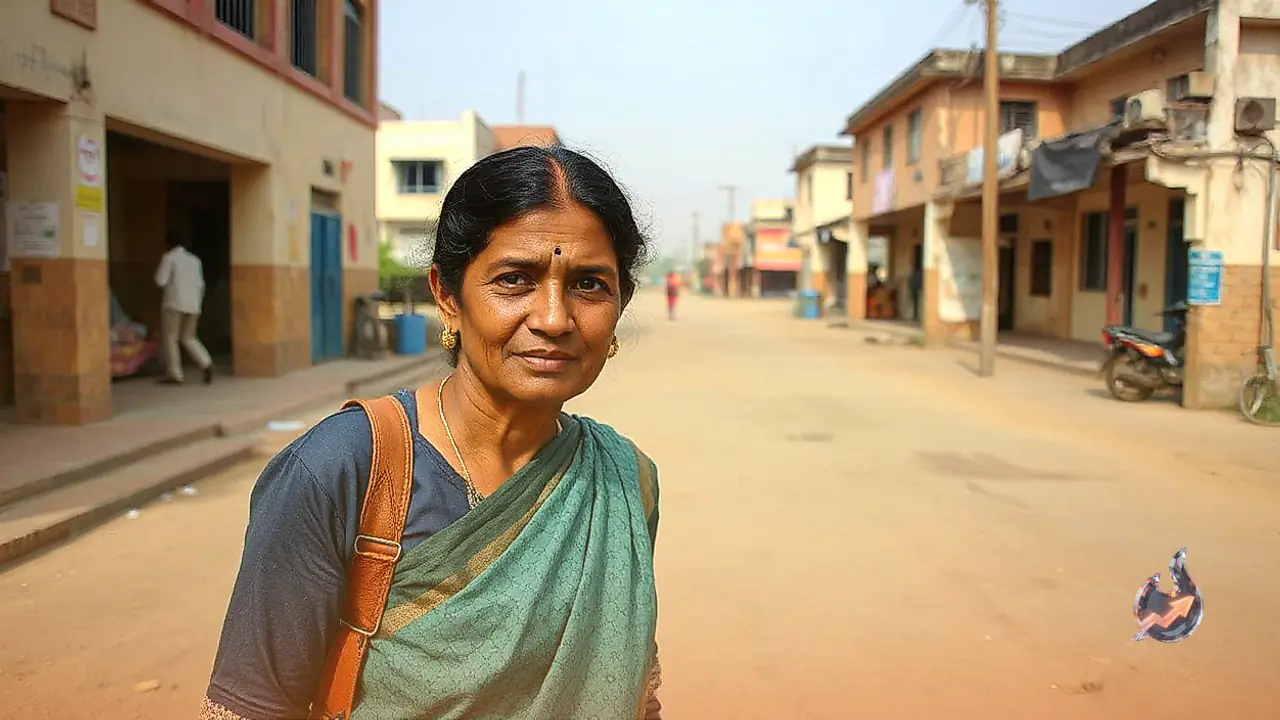
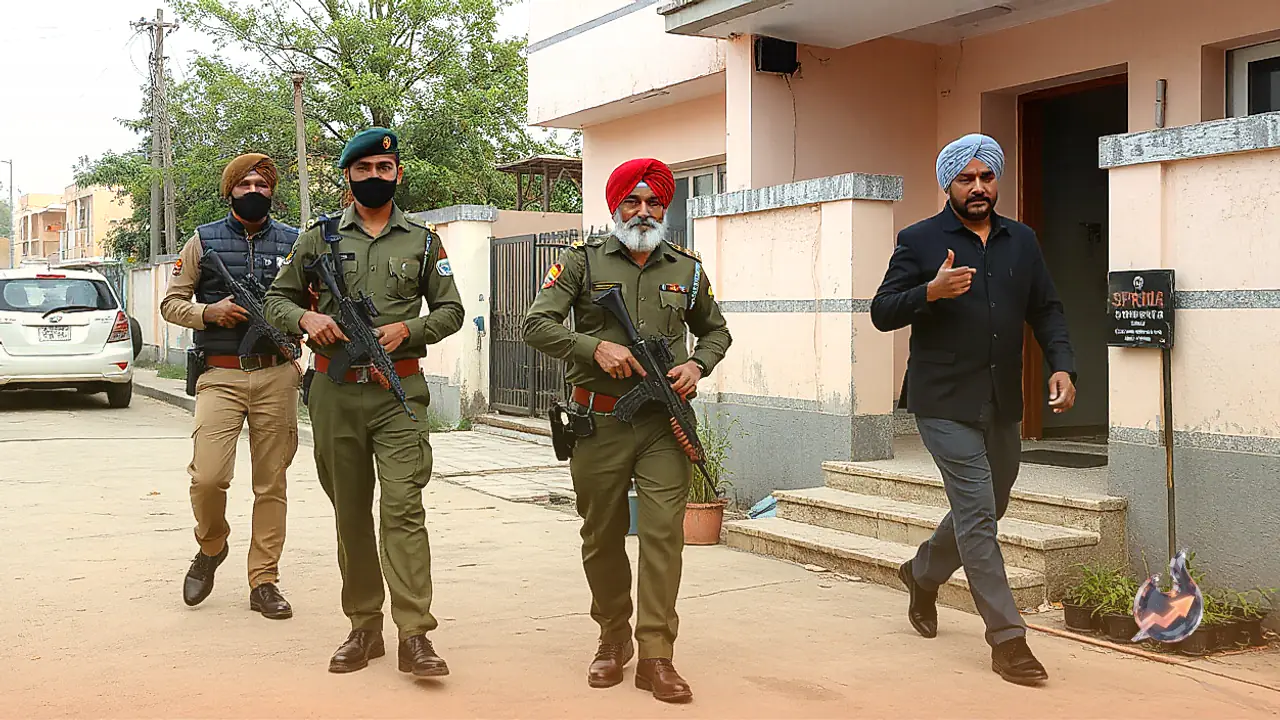

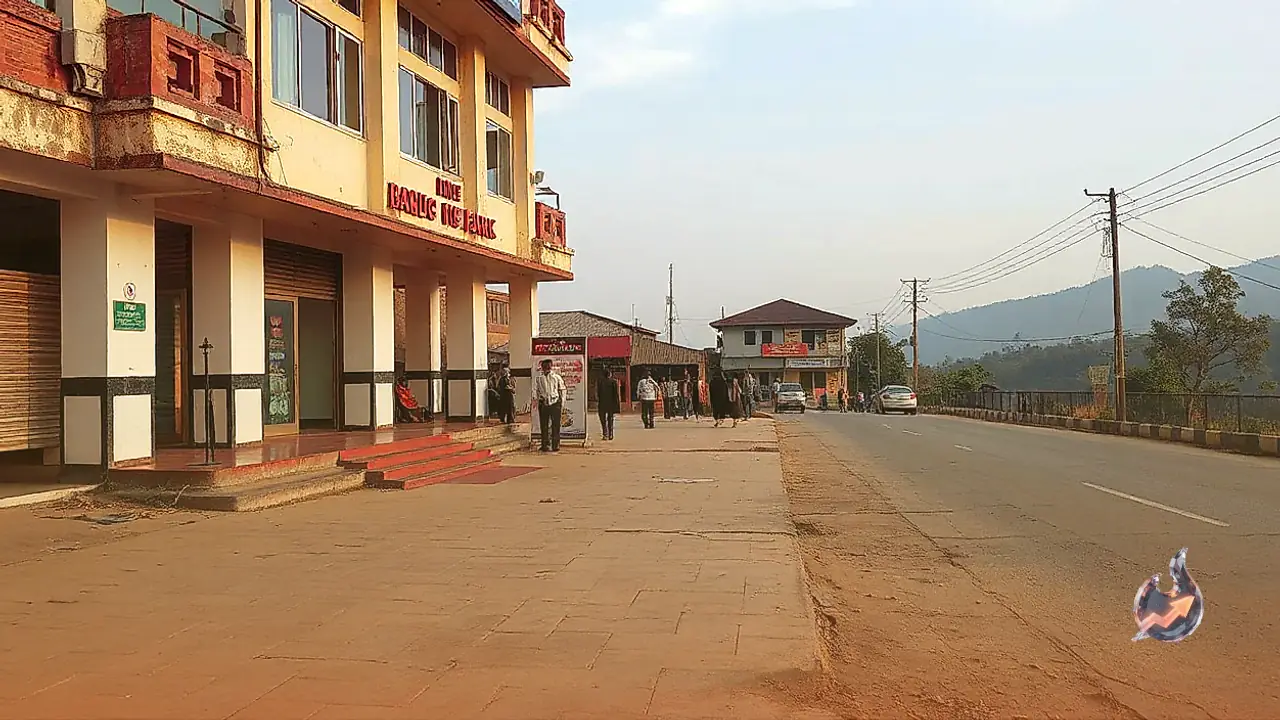















A remarkable model of grassroots democracy and social reform has transformed the Kachbali gram panchayat, located within the Bhim-Deogarh tehsil of Rajasthan's Rajsamand district. Roughly ten years ago, daily life in the village stood in sharp contrast to its current peaceful atmosphere. Illicit alcohol was traded openly across neighbourhood lanes, triggering severe domestic violence, escalating rural crime, and destroying the prospects of the younger generation. Determined to halt this cycle of devastation, village women banded together to launch an unyielding protest movement. This collective mobilisation was spearheaded by the then sarpanch Geeta Rawat and Zila Parishad member Heera Kanwar, igniting a widespread drive toward an alcohol-free community.
The Historic March 2016 Referendum That Created a Prohibition Landmark
The persistent agitation mounted by local women eventually forced the state excise department to conduct a formal public poll to settle the prohibition question. In the landmark voting held in March 2016, approximately 95 percent of participating rural residents cast their ballots in favour of banning liquor outright. The decisive verdict established Kachbali as the very first gram panchayat anywhere in Rajasthan to permanently shutter an official liquor vend through democratic balloting. Recognizing that official orders alone would not halt the underground trade, the women refused to lower their guard, creating autonomous surveillance teams to patrol the streets and prevent any bootlegging.
Mandatory Anti-Liquor Pledges for All Local Election Candidates
While winning the referendum was an enormous victory, sustaining total prohibition continuously over the past 10 years proved an even greater test of resolve. The villagers addressed this challenge by turning enforcement into a shared community obligation rather than relying solely on official machinery. Today, every single candidate contesting the post of sarpanch in Kachbali must make a solemn public pledge before campaigning, promising that the strict liquor prohibition will remain fully enforced after winning. According to former sarpanch Geeta Rawat, both women and elder residents continue to keep vigilant watch over every lane and settlement to prevent any revival of alcohol consumption.
Four Neighbouring Panchayats Follow Suit as Over 50 Youths Enter Government Service
The outstanding success of Kachbali sparked similar democratic movements across adjoining areas. Inspired by this breakthrough, Mandawar adopted prohibition in 2018 after recording 95 percent support in its own public vote, while Thaneta achieved an identical 95 percent mandate to ban liquor in 2021. Furthermore, the panchayats of Barar and Hamela have maintained complete alcohol bans since 2020. Across these villages, a decentralised surveillance network operates where each assigned representative monitors roughly 20 neighbouring households. This collective discipline has produced a steep drop in criminal cases and fostered a healthy academic environment, leading directly to more than 50 local youngsters securing prestigious government jobs over the past decade.