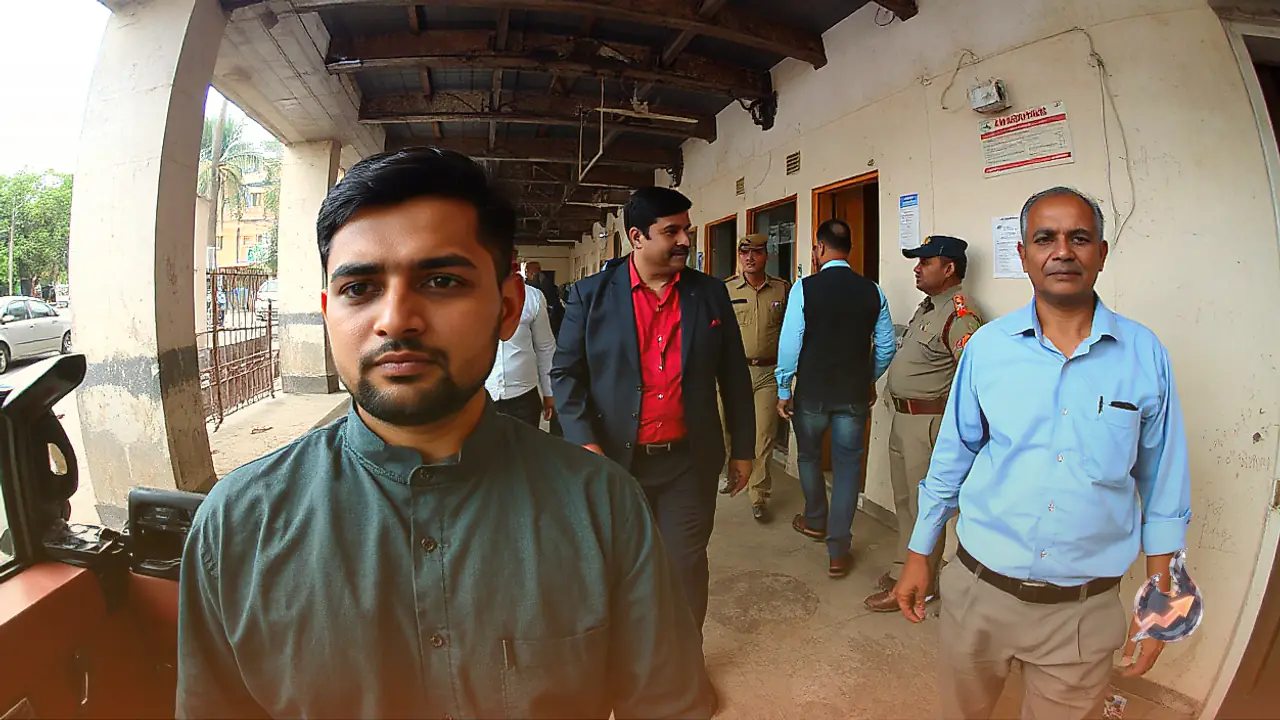


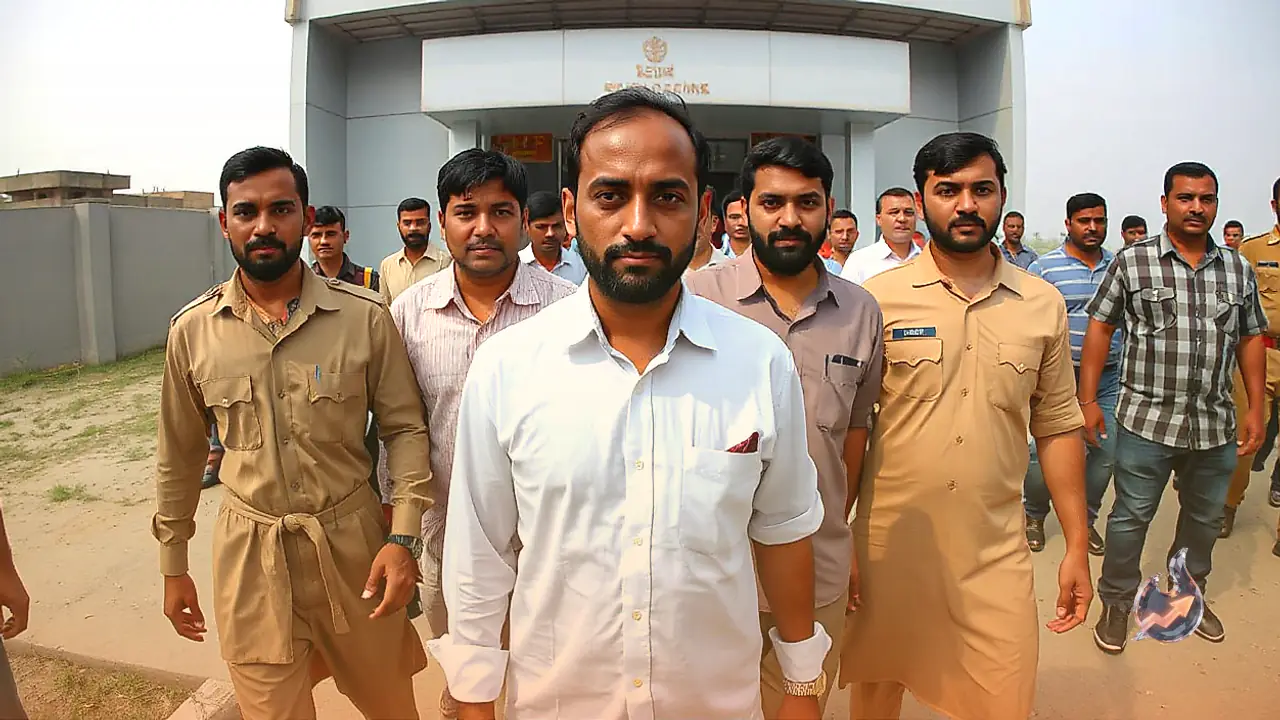






















With the commencement of weddings and large social gatherings, the food safety department in Rajasthan has stepped up vigilance to protect public health. Strict directives have been enforced across the state, including Kota, targeting catering operations that compromise food quality standards. Government guidelines initially issued in July will now be strictly executed during the festive wedding season beginning with Devuthani Ekadashi. The principal focus of this initiative is to eliminate the use of adulterated food supplies at mass banquets and ensure absolute safety for attendees.
Mandatory Licensing and Direct Legal Penalties for Defaulters
Food Safety Officer of Kota, Mojilal Kumbhakar, has stated that no caterer will be permitted to function without a valid license. Following the award of catering contracts for marriages and mass conventions, multiple operators often cut costs by utilizing spurious or sub-standard raw ingredients. Under the tightened enforcement, any caterer discovered operating without proper registration during sample inspections will face immediate penal action and court challans. While an initial warning will be provided to encourage compliance, continued disregard for statutory norms will invite decisive legal repercussions.
Prior Intimation Compulsory for Large Gatherings Exceeding 500 Attendees
Under the regulatory framework, advance notice must be submitted to the local food safety officer for any gathering involving 500 or 1,000 or more people. Caterers and organizers must provide comprehensive details regarding the venue location well before the function commences. Upon receiving the intimation, dedicated inspection units will visit the premises to monitor cooking procedures. These teams will draw food samples for laboratory evaluation while rigorously inspecting overall kitchen hygiene and sanitation arrangements.
Immediate Disposal of Spoiled Vegetables and Adulterated Ingredients
If supervisory teams discover rotten vegetables, fake mawa, or any contaminated raw material at a venue kitchen, samples will be formally preserved on the spot for verification. To prevent immediate hazards to public well-being, the entire batch of spoiled or substandard food supplies will be discarded and destroyed immediately at the location. This zero-tolerance mechanism aims to create a strong deterrent against unethical practices in the catering trade.
Preventing Food Poisoning Outbreaks and Promoting Standardized Products
The administration anticipates that strict enforcement will effectively curb food poisoning incidents commonly associated with large community feasts. Compulsory licensing and the constant prospect of unannounced physical audits will compel catering vendors to procure verified, branded, and top-tier ingredients. Consequently, hygiene benchmarks in banquet kitchens are expected to rise significantly, compelling non-compliant operators to secure legal licenses and observe standard health protocols.