























In response to rapidly changing global security dynamics, a major overhaul of defense education and military training methodologies is being strongly advocated. Dr. Badrinath Singh, former head of the Military Science Department at Ghazipur PG College, has highlighted that preparing future soldiers must begin long before they step onto the battlefield. With modern technology redefining how conflicts are fought, equipping young aspirants with specialized academic and psychological skills early in their education is increasingly vital.
Integrating Tactical Skills and Military Psychology into Academics
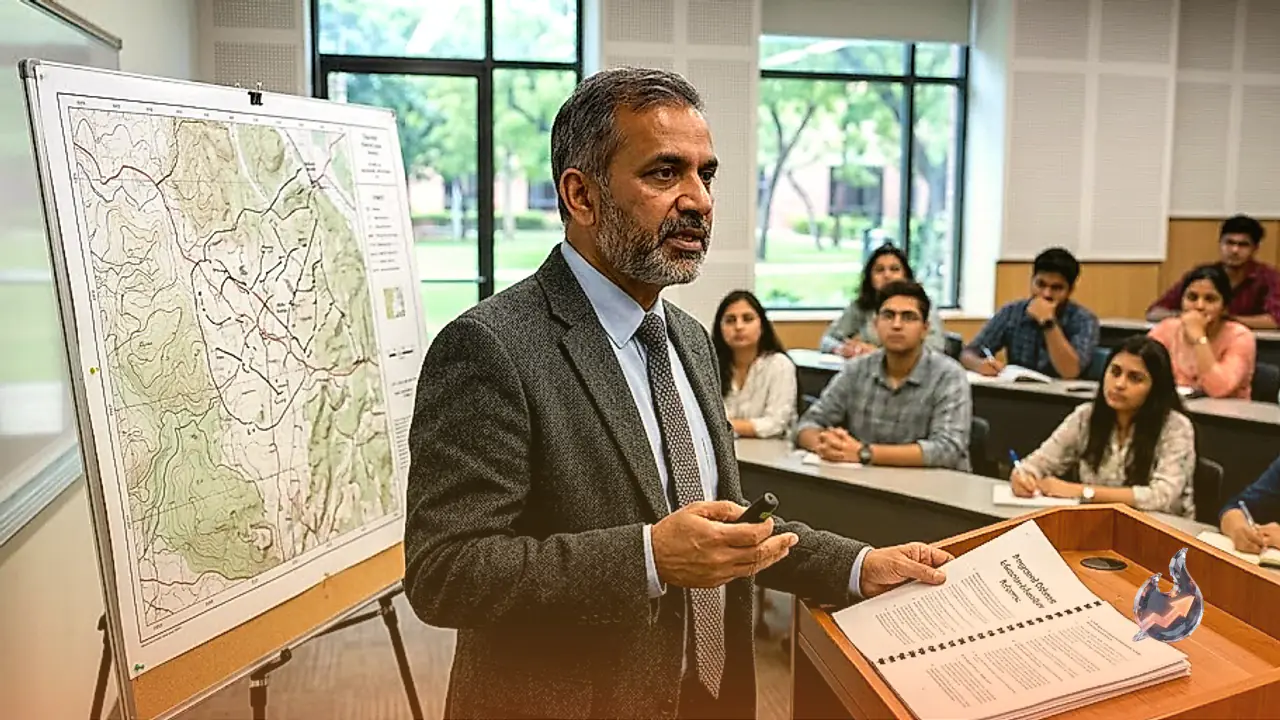
According to defense educator Dr. Badrinath Singh, core military concepts should be embedded into school and college curricula through programs like the NCC and foundational training modules. He emphasizes that students ought to gain practical familiarity with map reading, calculating bearings, and scale analysis during their academic years. Mastering these technical skills early ensures that candidates enter the armed forces with a strong fundamental understanding, accelerating their advanced tactical training.
Additionally, introducing military psychology into standard study programs is presented as a crucial reform. Understanding human behavior, stress management, and emotional intelligence during high-pressure scenarios helps both soldiers and commanding officers maintain mental resilience. Academically cultivating this psychological strength helps youth make split-second decisions under stressful combat conditions.
How Local Geography Shapes Career Preferences in Defense Forces
An insightful correlation exists between a region's physical geography and the military branch chosen by its youth. Dr. Singh observes that young individuals growing up near rivers, coastlines, and major water bodies naturally incline toward joining the Navy. Their familiarity with aquatic environments fosters an inherent comfort with maritime life.
Conversely, youth hailing from rugged mountain regions demonstrate a stronger inclination toward the Air Force. Meanwhile, those from expansive plain regions predominantly opt to serve in paramilitary units. Recognizing these geographic patterns allows educators and recruiters to tailor career guidance, aligning young candidates' natural aptitudes with suitable military divisions.
Evolving Nature of Warfare, AI, and the Need for a Military Research Center
The rapid integration of AI and modern technology has shifted combat away from conventional border engagements. Dr. Badrinath Singh noted, "In the nuclear era, warfare will no longer be fought solely at borders, but within factories and technological arenas." Modern industrial hubs and infrastructure facilities are now prime targets.
In this high-tech warfare environment, offensive capabilities alone are insufficient. Developing strategies for endurance and crisis survival during unexpected disruptions is equally critical. To tackle these multidimensional threats and construct contemporary military doctrines, establishing a dedicated Military Research Center in the region is proposed as an urgent necessity.
Role of Political Leadership and Regional Recruitment Initiatives
Recalling past efforts by former Member of Parliament Radhemohan Singh, the importance of local political leadership in inspiring youth toward national service is underscored. Around 2011, the former MP initiated administrative measures to motivate local youth in Ghazipur and organized district-level army recruitment rallies, eliminating the need for candidates to travel long distances.
Present political representatives, including current MPs and MLAs, are urged to build upon these past initiatives. By establishing guidance facilities, training centers, and localized recruitment drives, local youth can receive accessible preparation, ensuring a steady stream of well-trained recruits for the nation's armed forces.