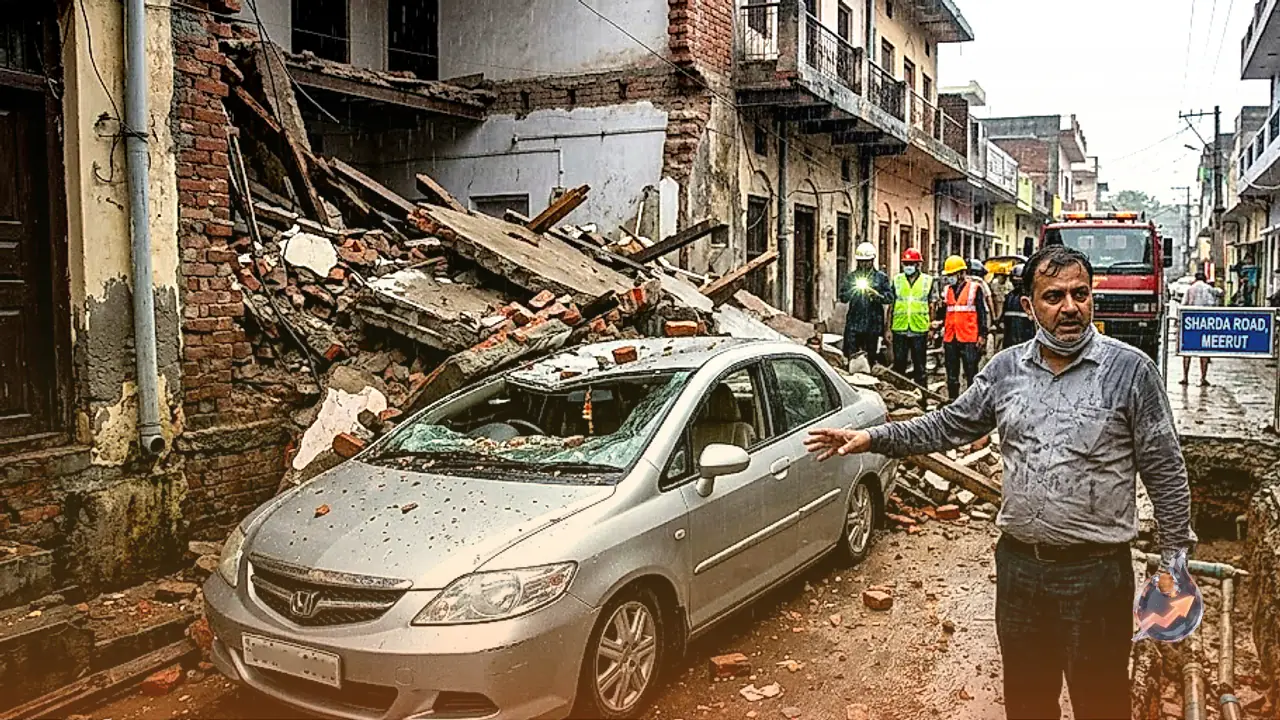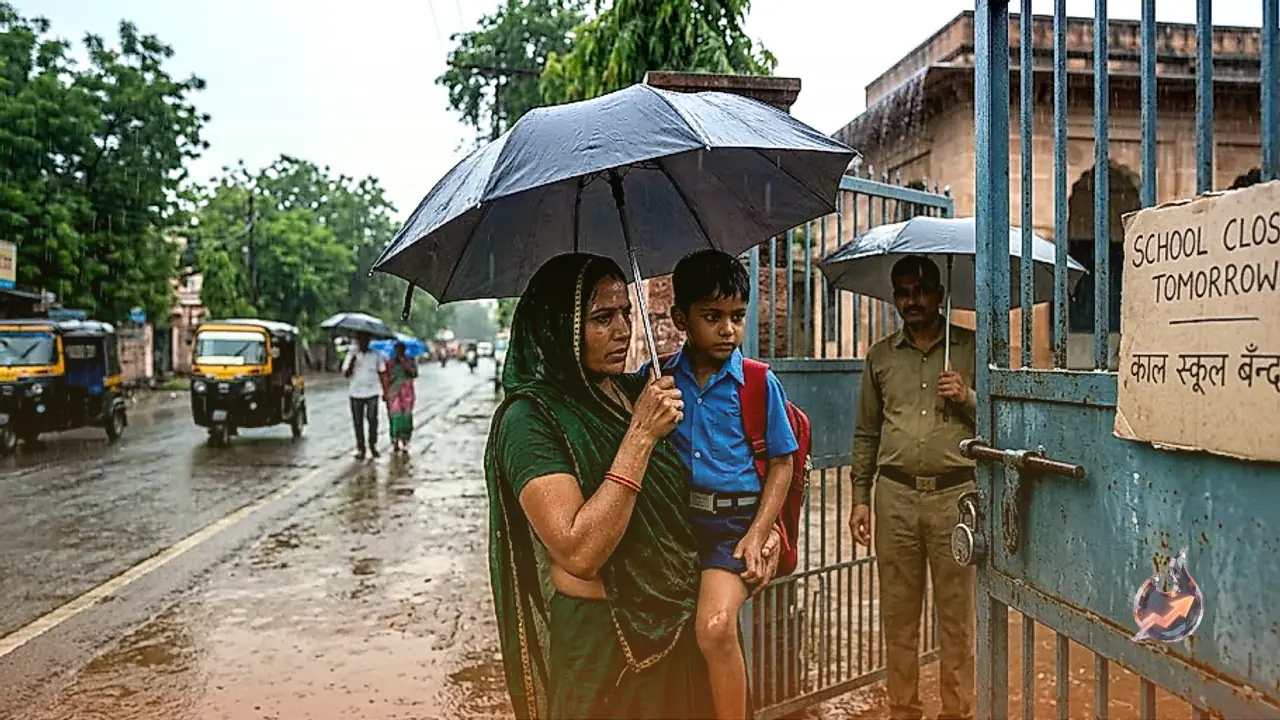

























The southwest monsoon has firmly established its presence over vast stretches of India, leading the meteorological department to sound severe weather alarms for multiple states. With the monsoon trough active, the northwestern, western, central, eastern, and northeastern sectors are all bracing for prolonged spells of intense rainfall over the next few days. Authorities have warned that such relentless downpours significantly elevate the risk of sudden flash floods, severe waterlogging in urban pockets, and widespread disruption of essential transport services, including road and rail networks.
Critical Alerts For Central And Northern States
State administrations and disaster management teams are preparing for challenging conditions. The latest forecasts mandate extreme caution for residents in Gujarat, Rajasthan, Madhya Pradesh, Uttarakhand, Himachal Pradesh, Punjab, Uttar Pradesh, Maharashtra, Odisha, Jharkhand, West Bengal, and Chhattisgarh due to impending heavy showers. The period between July 23 and July 26 is particularly crucial, as eastern Rajasthan, Himachal Pradesh, and Uttarakhand are projected to receive exceptionally heavy rainfall. This poses a direct threat of landslides and terrain destabilization in the hilly tracts. Concurrently, western Madhya Pradesh is slated to witness widespread and continuous precipitation during these specific dates.
Turbulent Conditions In The Himalayas And Northeast
The extreme weather patterns are also extending to the northernmost and easternmost borders. Extended forecasts spanning July 23 to July 29 indicate that regions encompassing Jammu and Kashmir, Ladakh, Gilgit-Baltistan, and Muzaffarabad will face sporadic thunderstorms, dangerous lightning strikes, and high-speed gusty winds. Meanwhile, the northeastern frontier remains a major focal point of concern. For the duration of this week, states including Arunachal Pradesh, Assam, Meghalaya, Nagaland, Manipur, Mizoram, and Tripura are squarely in the path of heavy to very heavy rainfall. As river levels are expected to rise rapidly, local governments have proactively placed all districts historically prone to flooding on the highest level of alert.