























While steady monsoon rains bring much needed relief from intense summer heat, the seasonal downpour introduces complicated management issues for dairy farmers and livestock owners. The surge in atmospheric moisture and damp ground conditions significantly elevates the incidence of infectious illnesses among milk-producing cattle and smaller farm animals. Cows, buffaloes, sheep, and goats become particularly vulnerable to contagious bacterial and parasitic outbreaks, making diligent healthcare management essential across rural holdings.
Ignoring Early Illness Symptoms Can Prove Fatal
Dr. Ganga Sahay Meena, Joint Director of the Animal Husbandry Department, pointed out that ongoing monsoon conditions foster environments where contagious animal pathogens thrive rapidly. Catching the earliest indicators of sickness and securing immediate medical attention remains critical for livestock survival. When caretakers overlook these initial signs or postpone clinical treatment, an animal's physical condition can deteriorate sharply, creating severe health emergencies and potentially leading to permanent livestock loss.
Preventing Hemorrhagic Septicemia Through Timely Inoculation
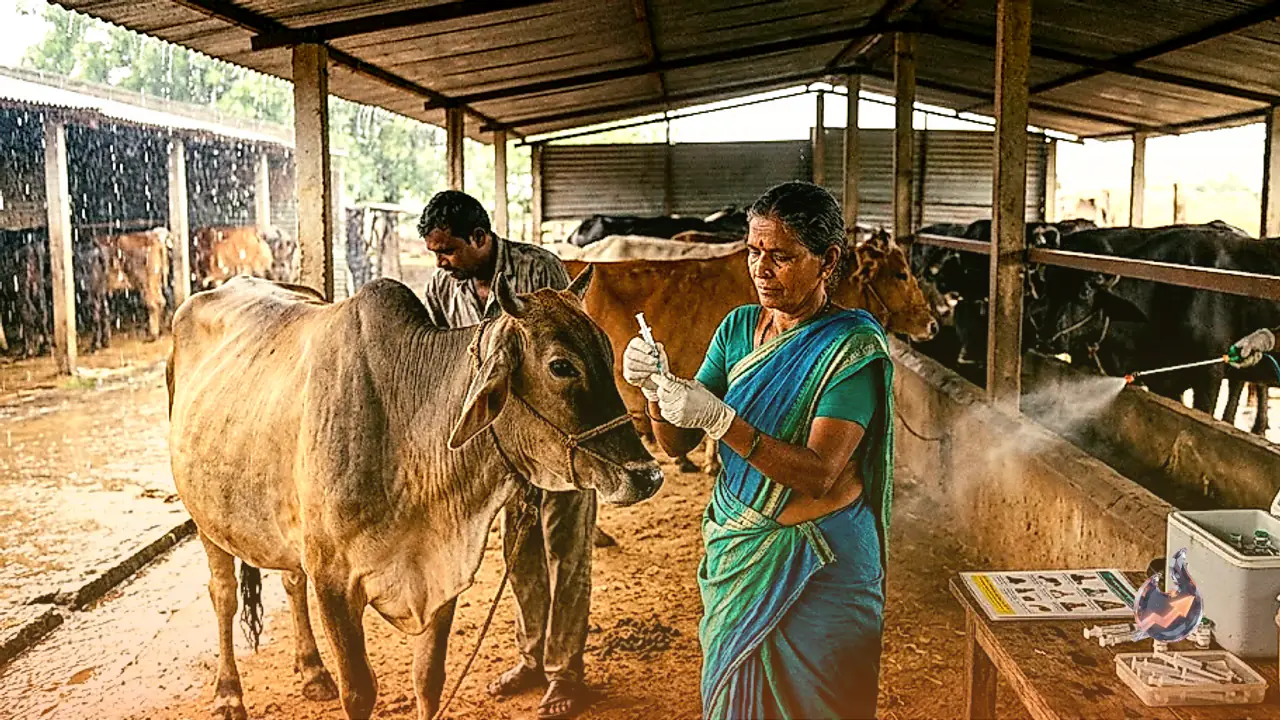
During rainy stretches, bovine populations face high vulnerability to hemorrhagic septicemia, widely recognized among farmers as Galghotu. Dr. Ganga Sahay Meena appealed directly to cattle and buffalo owners to vaccinate their herds against this fatal bacterial condition without delay. Farmers who have not yet protected their livestock should visit their local veterinary dispensary immediately to administer the necessary shots. Administering prophylactic inoculations well ahead of peak infection periods protects herd immunity and minimizes dangerous systemic complications.
Parasite Management and Deworming for Smaller Ruminants
Dr. Meena explained that smaller livestock such as sheep and goats are equally prone to seasonal infectious outbreaks during wet weather. Consequently, owners must adhere to timely vaccination schedules for small ruminants as well. In addition to preventive injections, herds must receive proper deworming medication. Administering targeted dewormers eliminates harmful internal parasites that multiply during damp months, safeguarding the digestive health and nutrient absorption of the flock.
External Pest Control Using Cypermethrin in Livestock Sheds
External parasites such as lice and ticks frequently flourish in damp animal pens, serving as vectors for debilitating conditions in small livestock. To curb infestations of these ectoparasites, livestock keepers are advised to apply cypermethrin spray throughout their animal shelters and holding yards. Systematic spraying curtails pest multiplication significantly across the housing area. However, authorities emphasized that cypermethrin should always be handled responsibly and applied strictly according to safety instructions issued by veterinary medical officers.
Avoid Home Remedies and Consult Veterinary Facilities Promptly
The Animal Husbandry Department urged herd managers to avoid relying on untested domestic remedies when an animal begins exhibiting signs of illness. Wasting crucial hours on folklore treatments often worsens clinical outcomes; instead, the animal should be transported immediately to the nearest veterinary center, or contact should be established with the facility in-charge. Timely clinical diagnosis, proper medication, and comprehensive preventive immunization remain the only dependable defenses against lethal livestock ailments and financial hardship.