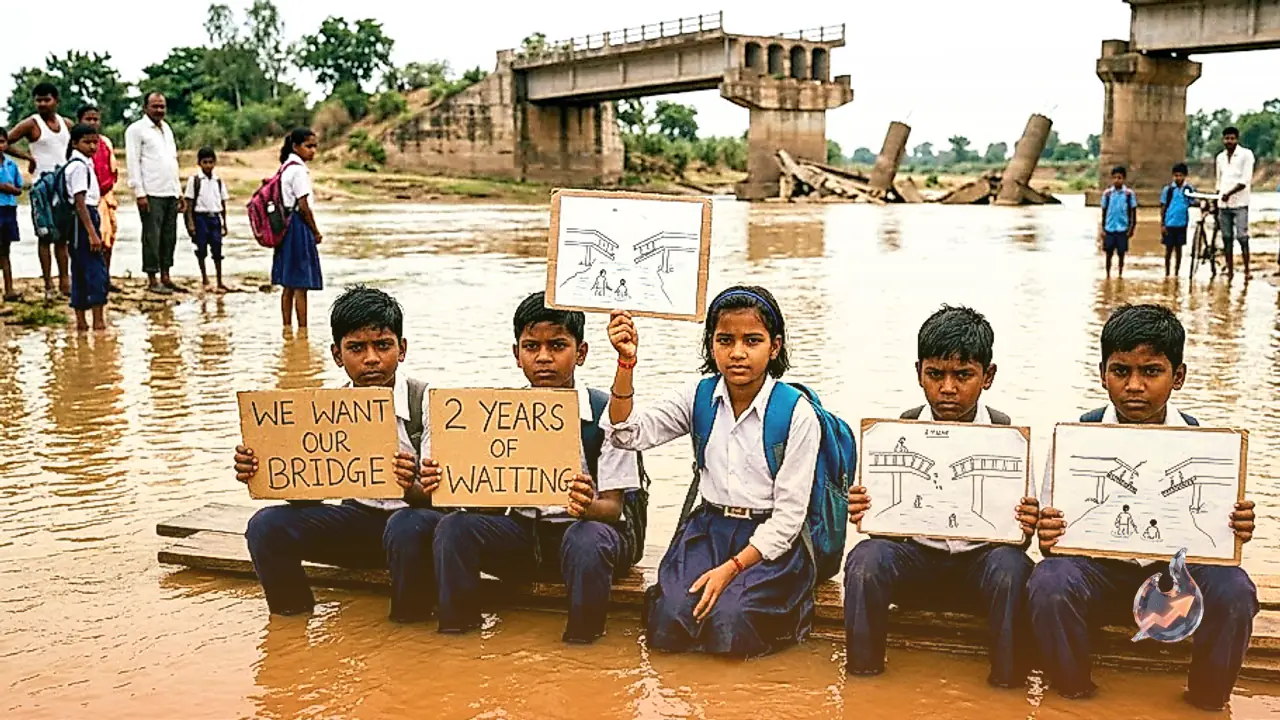




















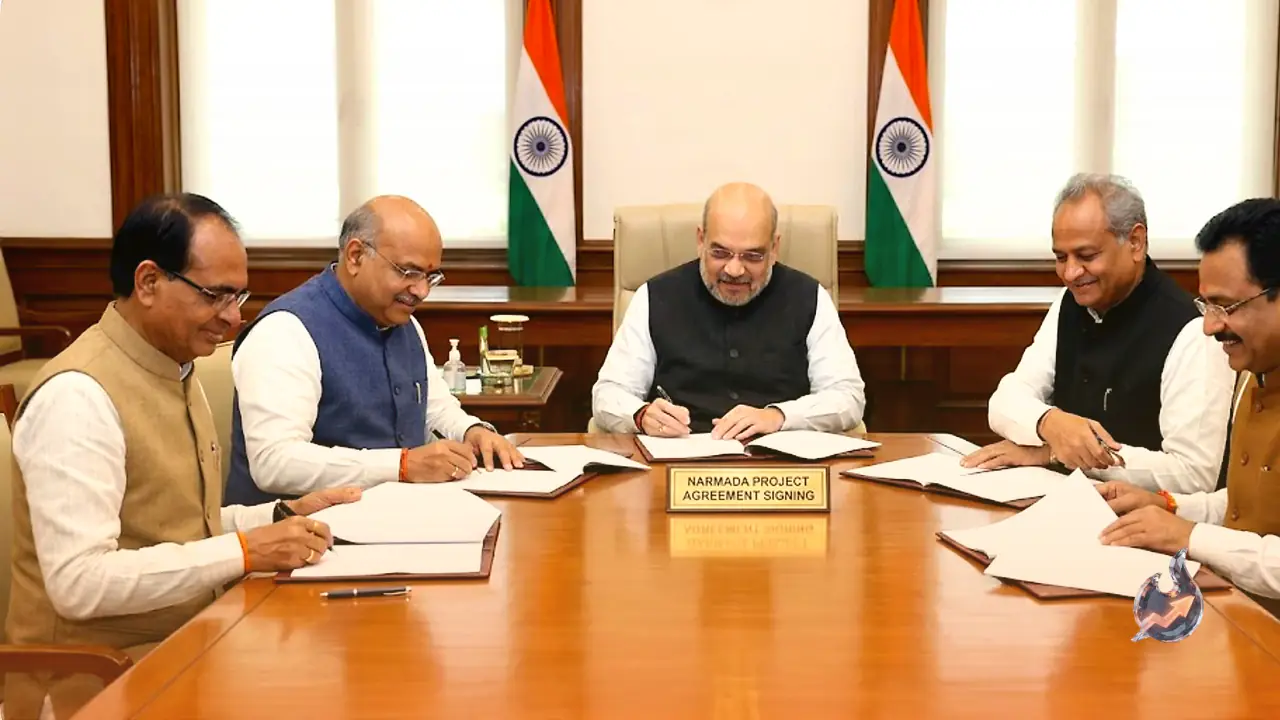

A long-standing dispute that has spanned several decades regarding the Narmada River project has been formally brought to a close. In a high-level meeting held in New Delhi, an agreement was reached between four states—Madhya Pradesh, Gujarat, Rajasthan, and Maharashtra—to settle pending issues related to the displacement of people and land compensation. The meeting was presided over by Union Home and Cooperation Minister Amit Shah and attended by Union Minister for Jal Shakti C.R. Patil, along with the Chief Ministers of the respective states: Dr. Mohan Yadav (Madhya Pradesh), Bhupendra Patel (Gujarat), Bhajan Lal Sharma (Rajasthan), and Devendra Fadnavis (Maharashtra).
One-Time Settlement of Disputes
The core of the disagreement involved the compensation for land and the rehabilitation of residents living in areas submerged by the Narmada project. Through this newly signed agreement, all pending dues have been resolved through a 'one-time settlement' process. This decisive move aims to provide finality and closure to the compensation claims that had remained stagnant for years.
Promoting Cooperative Federalism
Amit Shah characterized this development as a significant step toward strengthening water security under the leadership of Prime Minister Narendra Modi. He noted that the presence of 'double engine' governments across these states has enhanced the ability to understand mutual needs, significantly reducing political friction. This alignment has fostered a sense of cooperative federalism, allowing long-pending disputes across the nation to be resolved with greater speed and efficiency.
Economic and Regional Impact
The Union Home Minister praised the constructive cooperation of the governments of Madhya Pradesh, Gujarat, Rajasthan, and Maharashtra in reaching this consensus. He highlighted that the completion of the dam has delivered immense benefits to these states, specifically in terms of electricity generation and water distribution. Reflecting on the impact in Rajasthan, Amit Shah observed that while the benefits might initially seem modest in scale, the arrival of Narmada water has transformed the fate of farmers and drastically increased the value of the land in the regions it reaches.
Ongoing Resolution of Water Conflicts
Recalling the recent resolution of a water dispute between Haryana and Rajasthan, Amit Shah emphasized that such achievements serve as golden examples of cooperative federalism. Under the guidance of C.R. Patil, the government is systematically addressing water-sharing conflicts, including the Kishau Dam project. He reiterated that regardless of which state utilizes the water, the primary beneficiaries are citizens of India. He concluded by stressing that it is essential to minimize national loss caused by unresolved disputes, acknowledging that the prosperity of a neighboring state ultimately contributes to the overall growth of one's own region.