


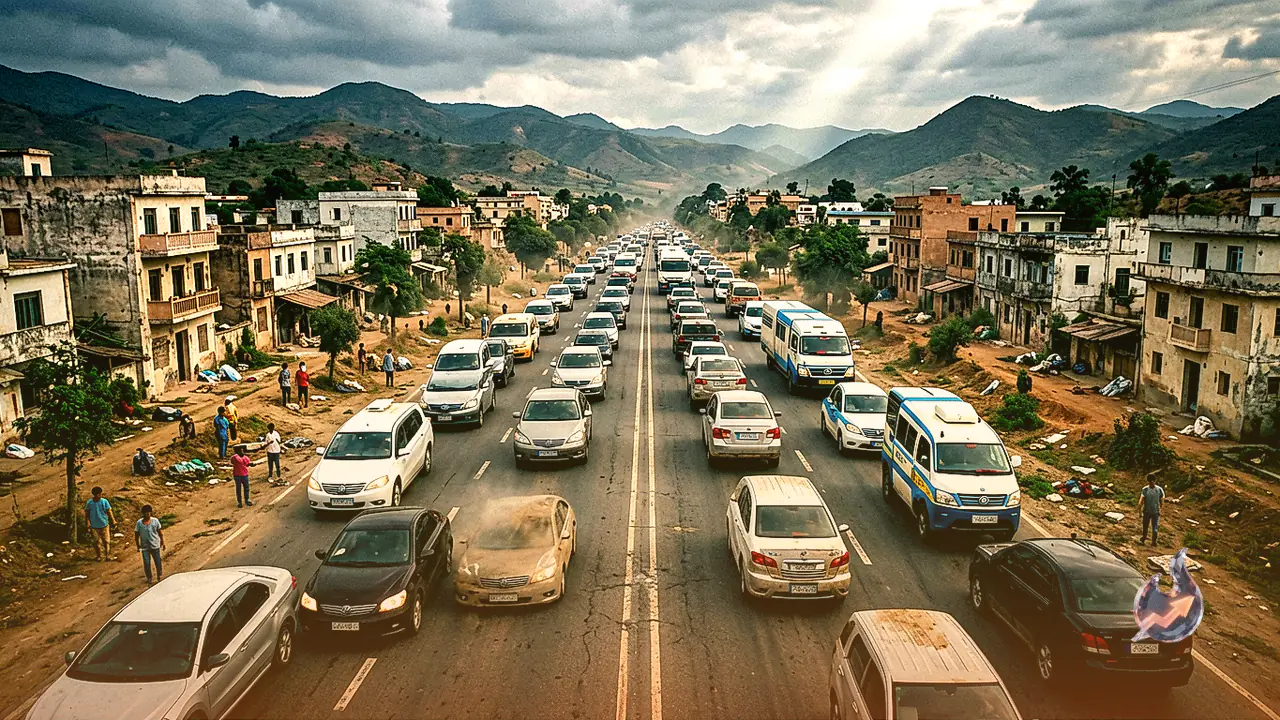

















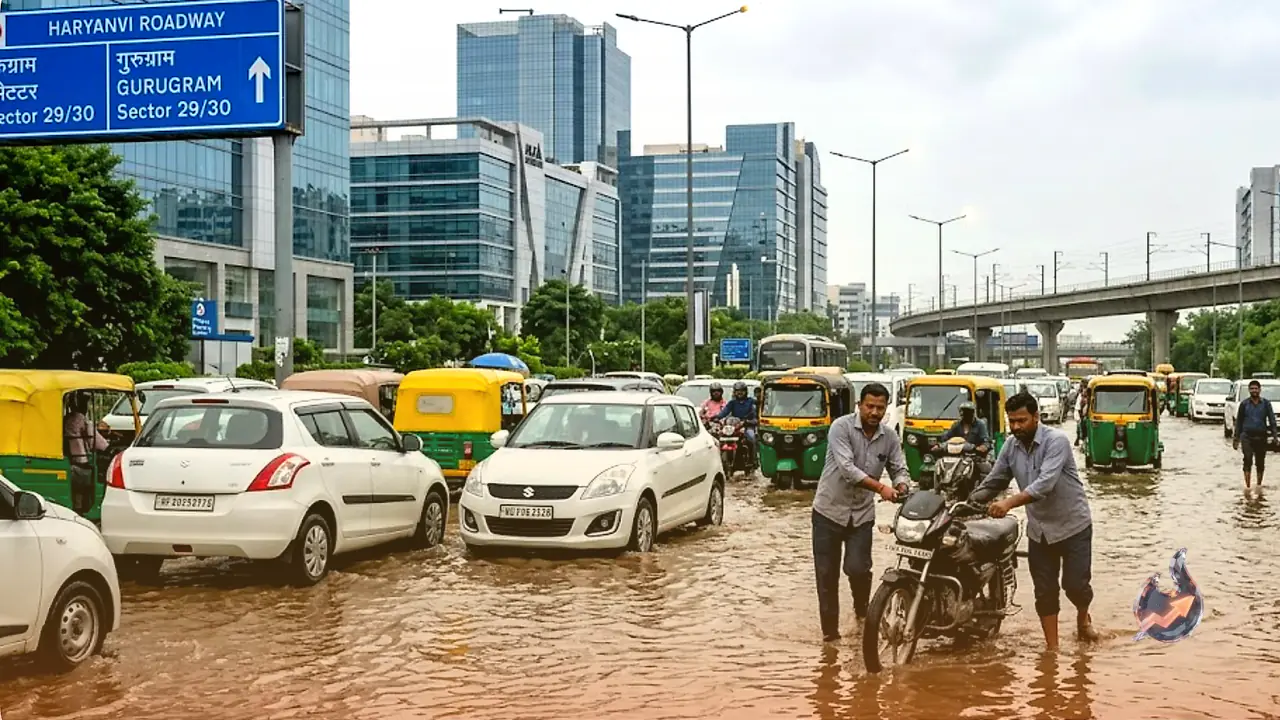

The arrival of the 2026 monsoon brought much-needed relief to residents of Delhi-NCR from the sweltering heat and humidity, but it also laid bare the hollow development claims of the Millennium City, Gurugram. According to weather department data, while Delhi recorded 85.5 mm of rainfall during this initial spell, Gurugram received comparatively less at 71.5 mm. Despite this lower volume, the situation in Gurugram was alarming, as several VIP sectors, residential societies, and main arterial roads were completely submerged. Reports of a 10-kilometer-long traffic jam on the Delhi-Jaipur highway highlighted a systemic failure in the city's ability to manage water, raising questions about why the city collapses despite lower precipitation.
The Concrete Jungle and Loss of Natural Drainage
The primary reason behind the severe waterlogging in Gurugram is unplanned urbanization. Over the last three decades, the city has transformed rapidly into a concrete jungle. Two major factors contribute to this crisis:
- Encroachment on Natural Waterways: Historically, natural drainage paths and water bodies existed to channel water flowing from the Aravalli hills. These have been paved over or built upon with high-rise buildings and roads, effectively blocking the natural flow.
- Loss of Soil Absorption: Because most of the ground surface is now covered in concrete, the soil cannot absorb rainwater. Consequently, the entire volume of 71.5 mm of rain accumulated directly on the roads.
Inadequate Drainage Master Plan
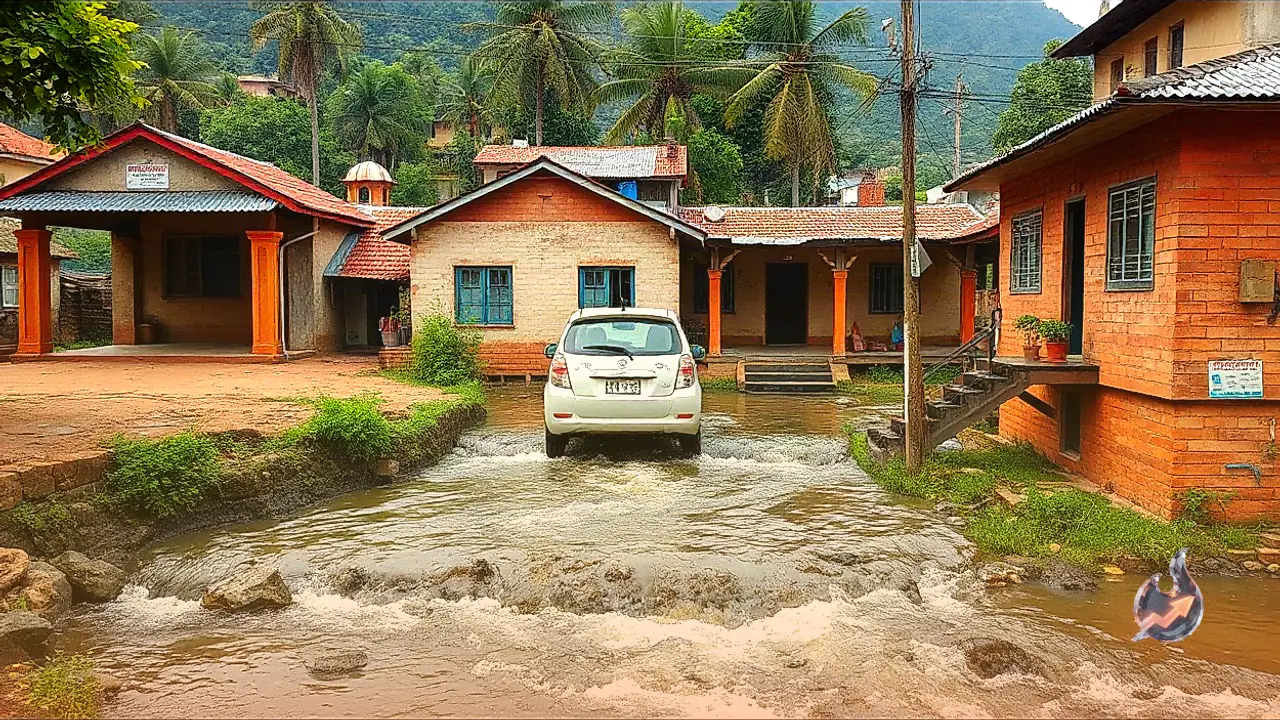
There is a stark contrast between the geographical and structural conditions of Delhi and Gurugram. While Delhi possesses an extensive and older drainage network like the Najafgarh drain, Gurugram’s master drainage system remains half-finished. In newly developed regions such as the Expressway and Golf Course Road, stormwater drains and sewage lines have become intertwined. The result is that during heavy rain, sewers back up, causing contaminated water to flood streets up to knee-level.
Despite annual claims regarding pre-monsoon desilting, such efforts are often restricted to paperwork. During this 71.5 mm rainfall event, major drainage outlets became choked with plastic and debris. Because water could not drain properly, major transit points including IFFCO Chowk, Rajiv Chowk, and Sohna Road were submerged under several feet of water, leading to massive traffic congestion. The weather department forecasts continued rainfall across Delhi-NCR. Unless the administration acts immediately to upgrade the pumping systems and clear the choked drains, the next spell of rain threatens to bring the pace of the Millennium City to a complete standstill.