

















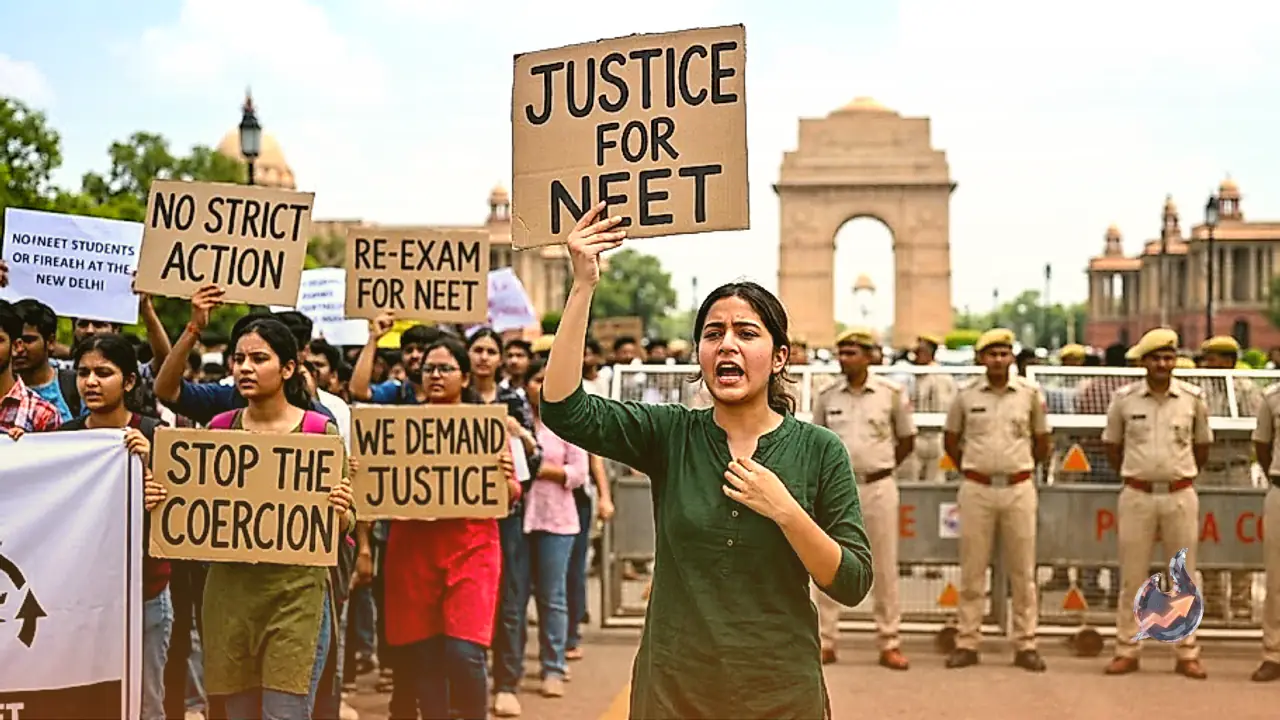

Amid ongoing tensions surrounding student demonstrations against the NEET-UG 2026 paper leak and the subsequent police responses, the Supreme Court held a crucial hearing on Tuesday. The bench sought formal replies from the central government, the Delhi government, and several state administrations while issuing an interim directive that no coercive or harsh action should be taken against the protesting students at this stage. Headed by Chief Justice Surya Kant, the bench observed that the petitions contain serious allegations, particularly concerning the excessive use of force by law enforcement personnel during the unrest.
Allegations in Petitions and Police Stand
According to the petitions filed before the court, security forces deployed lathicharges, pellet guns, rubber bullets, tear gas, and electric batons during the protests. The filings claimed that several students sustained severe injuries, with one student reportedly losing vision in an eye. Further accusations included injuries to multiple individuals, including a woman, and an assault on a journalist covering the events.
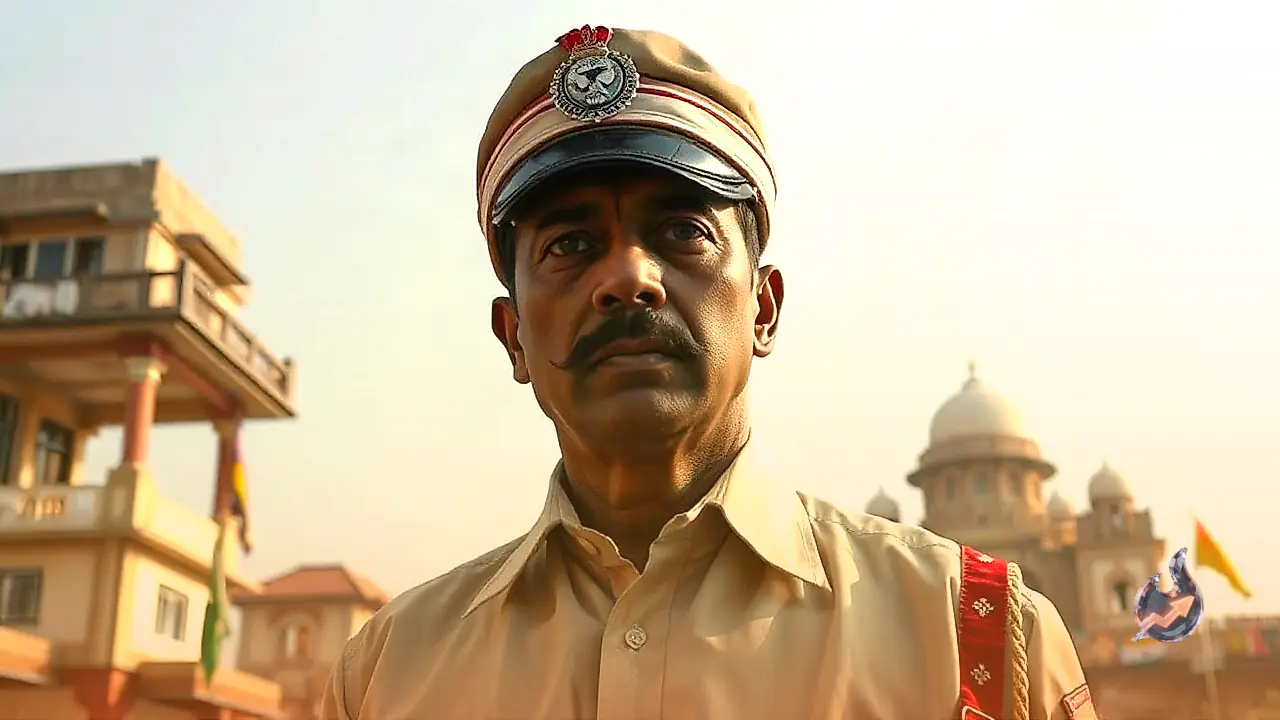
Conversely, the viewpoint of injured police personnel was also presented during the proceedings. Their representatives argued that certain elements within the crowds hurled stones at the police, resulting in injuries to over 280 police officers. Photographs and video recordings substantiating this claim were presented before the bench.
Solicitor General Tushar Mehta informed the court that the government holds no objection to a fair and impartial probe, though he refuted the accusations that excessive force was deployed by the police. He maintained that anti-social and criminal elements had infiltrated the demonstrations to instigate violence.
Supreme Court Directives and Preservation of Evidence
The Supreme Court remarked that a prima facie need for an independent and unbiased inquiry is evident in this matter. Before arriving at a final verdict, the bench granted the Centre, the Delhi government, and relevant states an opportunity to submit their formal responses through affidavits. Notices were formally issued to the chief secretaries of Maharashtra, Bihar, Assam, Uttar Pradesh, Madhya Pradesh, West Bengal, and Kerala.
In its interim ruling, the Supreme Court ordered that all CCTV footage, drone videos, body-worn camera recordings, wireless logs, and other evidentiary material related to the demonstrations must be preserved securely. The court additionally directed that the personal details and digital data of demonstrators, particularly students, must not be made public. While clarifying that investigations into already registered FIRs may proceed, the bench emphasized that no strict punitive measures should be enforced against students who participated in the protests. However, this protection does not extend to individuals with documented criminal records.
Release of Minors and Next Hearing
Furthermore, the court instructed all state administrations to release minors under the age of 18 who were detained during the demonstrations, provided they lack any prior criminal record. If necessary, these young individuals may be released on executing a simple bond. The matter is scheduled for the next hearing on August 3, 2026.